Introduction
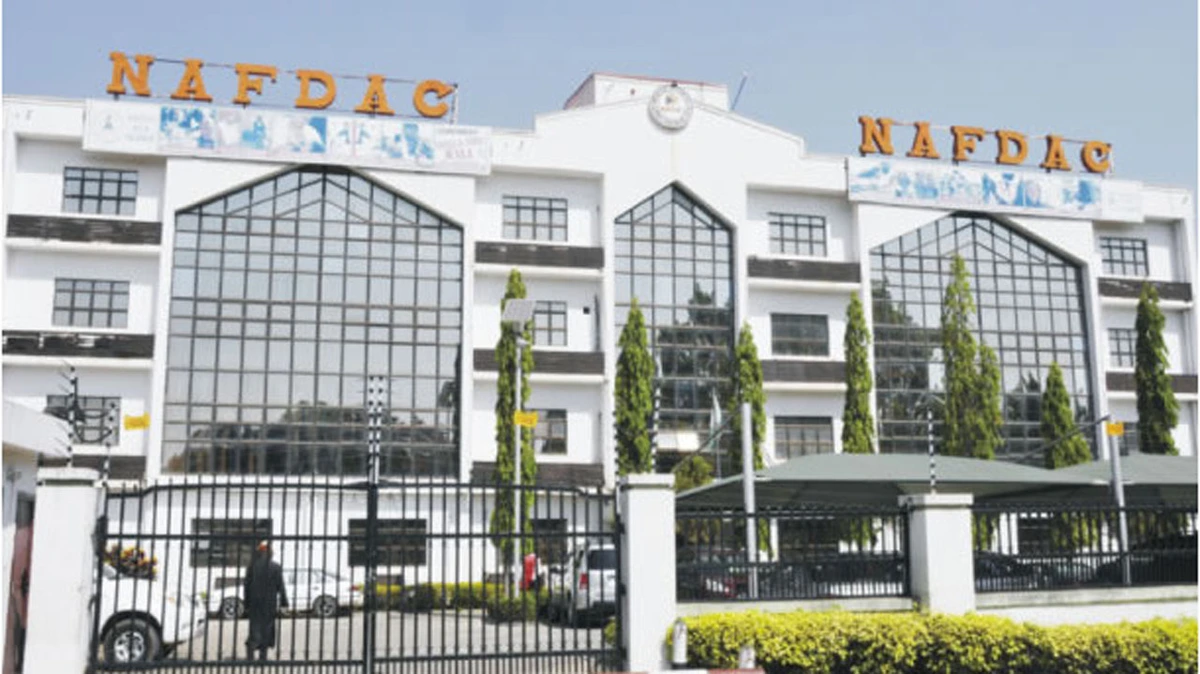
Nigeria's top food and drug regulator has removed a massive volume of unsafe goods from circulation by destroying counterfeit, expired, and substandard products worth an estimated N100 billion. The disposal exercise took place in Ogun State and targeted medicines, alcoholic drinks, cosmetics, and food items that posed risks to public health.
What Happened
On Friday, November 20, 2026, NAFDAC destroyed the seized and voluntarily surrendered items at the Ogwama Dumpsite in Ogere Remo, Ogun State. The destroyed products included banned Analgin injections, expired Codeine cough syrups, Oxytocin injections, counterfeit cosmetics, unwholesome food products, and alcoholic beverages sold in sachets and PET bottles under 200 millilitres.
According to the agency, the goods were recovered during nationwide enforcement operations and through voluntary surrenders by companies complying with regulatory requirements. The Nigeria Customs Service also handed over some pharmaceutical products. NAFDAC said the destruction was carried out to prevent these items from re-entering the market.
Why This Matters
Counterfeit medicines may fail to treat illnesses or cause serious harm, while expired and unwholesome products can endanger consumers directly. By disposing of goods valued at N100 billion, NAFDAC is reinforcing its commitment to keeping unsafe regulated products off Nigerian shelves. The agency acknowledged support from security agencies and other stakeholders during the recovery and disposal process.
Key Takeaways
- NAFDAC destroyed counterfeit, expired, banned, and substandard regulated products worth approximately N100 billion.
- The exercise occurred on November 20, 2026, at Ogwama Dumpsite, Ogere Remo, Ogun State.
- Items destroyed included unregistered medicines, counterfeit cosmetics, banned alcoholic beverages, and unwholesome food products.
- Some goods were recovered by the Nigeria Customs Service, while others were voluntarily surrendered by compliant companies.
- NAFDAC urged Nigerians to avoid unauthorized vendors and report suspicious products or sales activities.
Conclusion
This latest action follows earlier enforcement operations against counterfeit alcoholic beverages in Lagos and Abia State, reflecting a sustained campaign to clean up Nigeria's regulated product market. NAFDAC continues to advise consumers to purchase medicines and other regulated goods only from authorized sources and to report suspicious activities. Public vigilance, backed by strong enforcement, remains essential to keeping harmful products away from households.
Discussion
Join the conversation
Thoughtful reactions, questions, and follow-up ideas help shape the next story.