Introduction
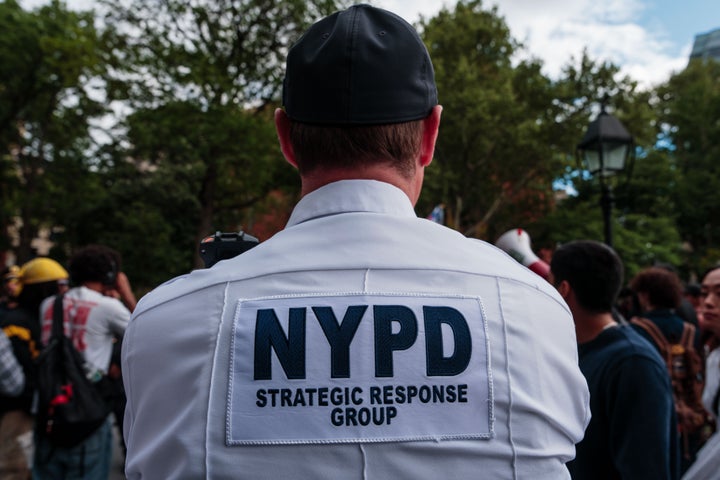
New York City Mayor Zohran Mamdani announced Monday that the NYPD's Strategic Response Group will be dismantled, fulfilling a campaign pledge to separate protest policing from counterterrorism work. The mayor said the unit, which has drawn sustained criticism for its handling of demonstrations, will no longer operate in its current form.
What Happened
Mamdani and Police Commissioner Jessica Tisch revealed plans to replace the SRG with new structures designed to prioritize dialogue over force. The mayor introduced the Community Dialogue and De-escalation Division, a civilian unit without weapons or arrest authority that will lead engagement with demonstrators. Alongside it, the NYPD will launch a First Amendment Support Team to serve as a liaison during protests, though sworn officers can still make arrests when necessary.
The administration also prohibited several crowd-control methods at demonstrations, including long guns, tear gas, pepper spray, and kettling—the practice of surrounding and confining protesters to a single area. Counterterrorism duties previously handled by the SRG will move to the NYPD's Intelligence and Counterterrorism Bureau.
Why This Matters
Since its creation in 2015, the Strategic Response Group has faced sustained criticism from civil rights advocates for deploying counterterrorism tactics against people exercising their right to assemble. The unit was frequently sent to racial justice and pro-Palestinian demonstrations, where its methods drew allegations of excessive force.
The New York Civil Liberties Union and Legal Aid Society praised the disbandment as a victory for First Amendment protections, though both organizations said the replacement units will require close monitoring to ensure they do not simply replicate the SRG's approach under a different name.
Key Takeaways
- Mayor Zohran Mamdani is disbanding the NYPD Strategic Response Group.
- A new civilian-led Community Dialogue and De-escalation Division will take the lead in protest engagement.
- The NYPD will establish a First Amendment Support Team as a protest liaison unit.
- Long guns, tear gas, pepper spray, and kettling are banned at protests.
- Counterterrorism functions will shift to the Intelligence and Counterterrorism Bureau.
- Civil rights groups welcomed the move but called for continued oversight.
Conclusion
The decision marks a significant shift in how New York City manages public demonstrations and balances public safety with constitutional rights. By removing a unit long associated with aggressive protest tactics and introducing civilian-led alternatives, the Mamdani administration is attempting to reshape the relationship between police and demonstrators. Whether the new structure delivers on its promise of de-escalation will depend on implementation and the level of independent oversight that follows.
Discussion
Join the conversation
Thoughtful reactions, questions, and follow-up ideas help shape the next story.