Introduction
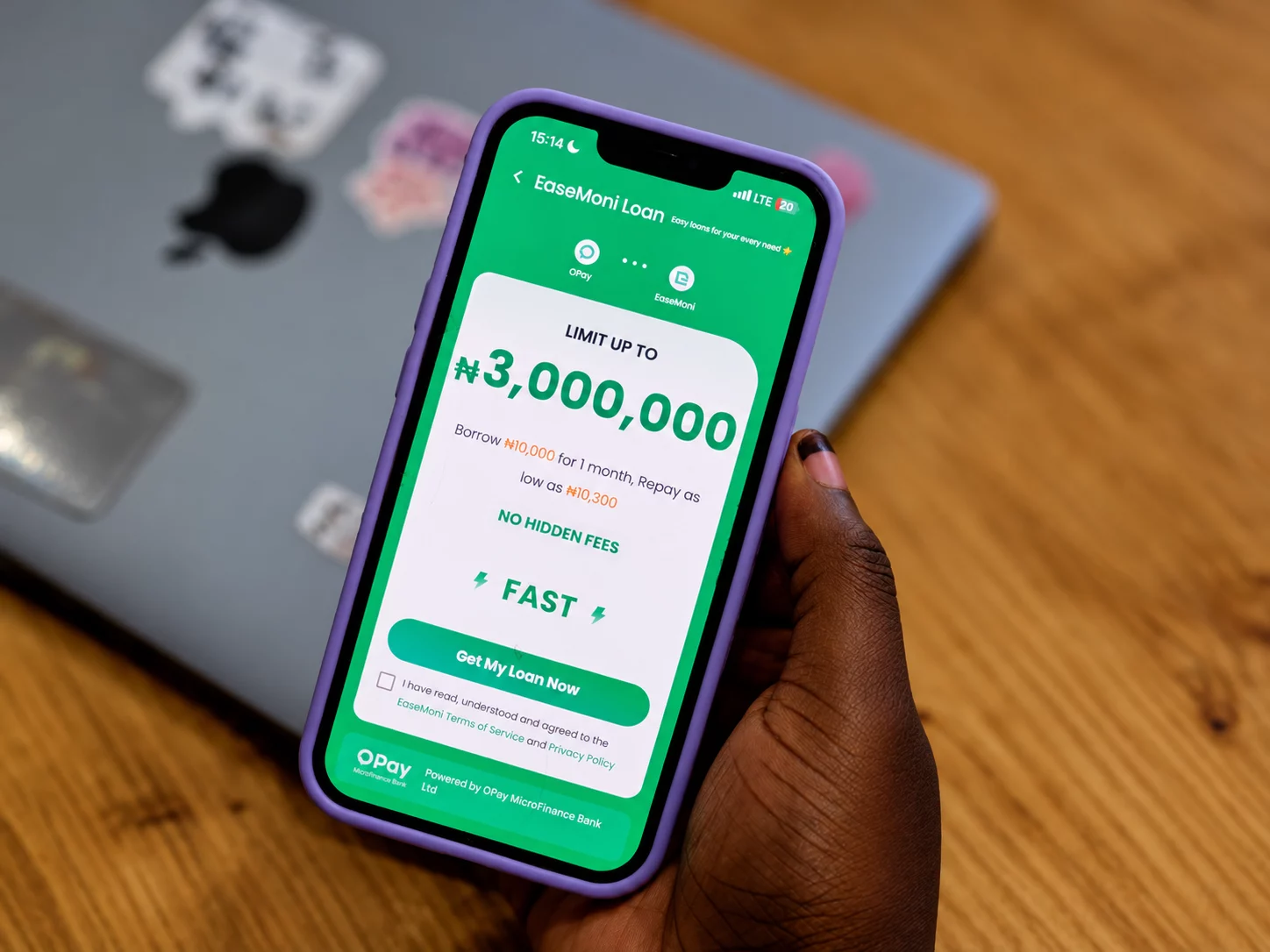
OPay has established itself as a major player in Nigeria's digital credit market, disbursing hundreds of millions of dollars in consumer loans during the first half of 2026. Behind the scale of originations lies a critical financial metric: for every $10 borrowed, $1.28 is set aside to cover expected credit losses. This figure reveals the risk-adjusted reality of digital lending growth in Africa's largest economy.
What Happened
In the first half of 2026, OPay originated $927.6 million in loans across Nigeria and generated $236.12 million in loan-financing revenue. This revenue stream includes accrued interest and late-payment penalties, not just standard interest rates. However, the fintech set aside $118.36 million for expected credit losses, amounting to $1.28 (₦1,706.20) for every $10 borrowed. After subtracting provisions, roughly $1.27 remained from each $10 lent available to cover operating costs, taxes, and other expenses. Loan-financing revenue represented 25.5% of total originations, just below the Central Bank of Nigeria's 26.5% benchmark interest rate for the period.
Why This Matters
The $1.28 loss per $10 lent highlights the thin margin between growth and sustainability in Nigeria's digital lending sector. OPay's non-performing loan ratio stood at 4.3% as of June 30, 2026, compared with 8.03% for the broader banking industry. However, direct comparison is complicated by OPay's 120-day charge-off policy, while banks classify loans as losses only after 360 days, potentially making OPay's ratio appear more favorable than reality. Provisions for credit losses grew 210.3% year-on-year, outpacing the 167.9% growth in loan-financing revenue, and consumed 50.2% of revenue in H1 2026, up from 41.0% a year earlier.
Key Takeaways
- OPay originated $927.6 million in loans and generated $236.12 million in revenue during H1 2026.
- $1.28 of every $10 lent is reserved for expected credit losses, leaving $1.27 in net revenue before other costs.
- The NPL ratio of 4.3% beats the industry average of 8.03%, but uses a shorter charge-off timeline that may not reflect true loss depth.
- Provisions for credit losses grew 210.3% year-on-year, outpacing the 167.9% growth in loan-financing revenue.
- OPay's lending business generated 50.55% of total income in H1 2026, yet faces rising marketing costs and regulatory scrutiny over borrower recovery tactics.
Conclusion
OPay's lending model demonstrates both the scale and the risk inherent in Nigeria's digital credit boom. As the company expands into merchant loans and buy-now-pay-later products, managing credit risk will be critical to sustaining profitability. Borrowers who repay on time effectively subsidize those who default, a dynamic that will shape OPay's strategy as it scales toward new lending products and broader financial inclusion goals.







Discussion
Join the conversation
Thoughtful reactions, questions, and follow-up ideas help shape the next story.