Introduction
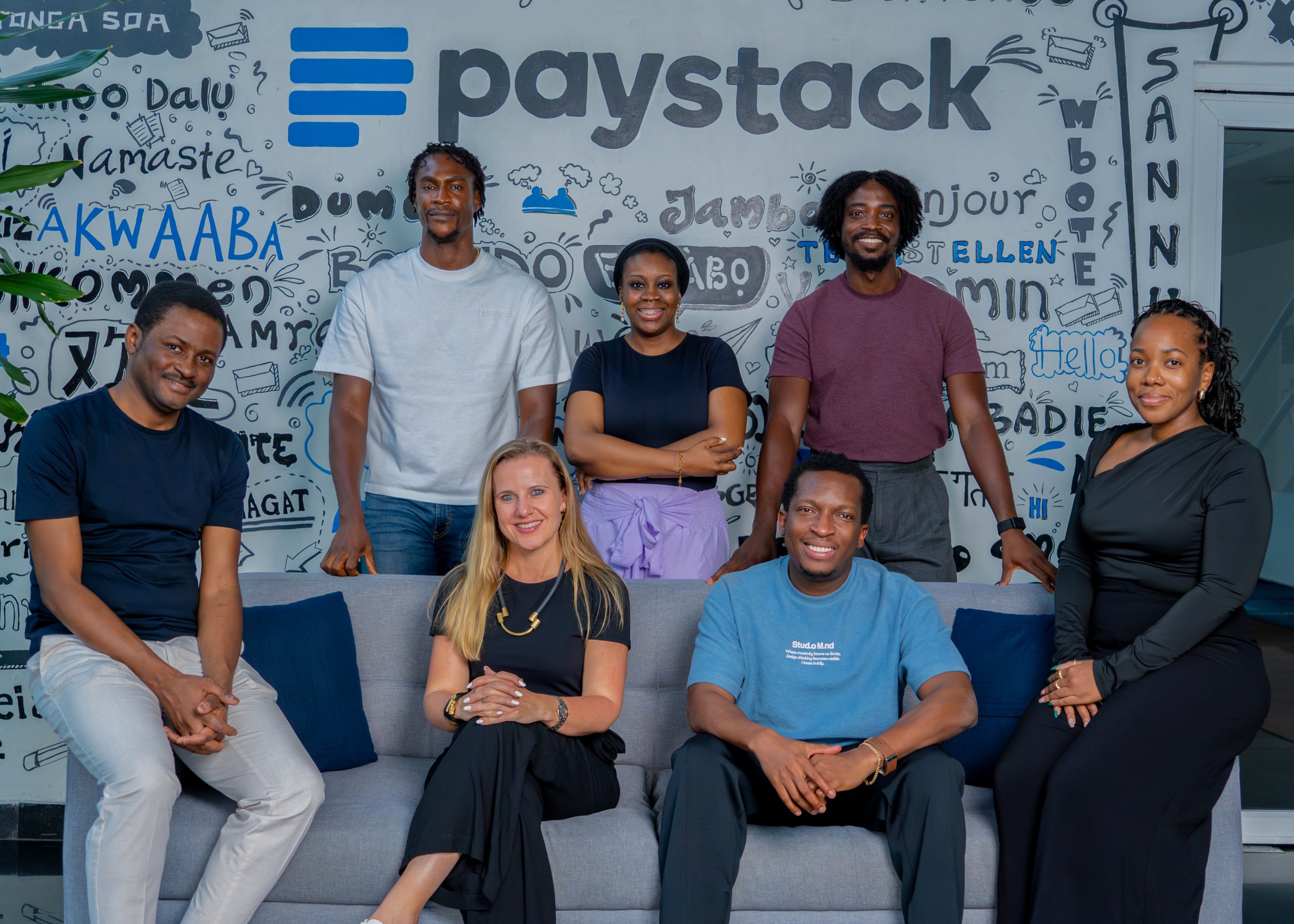
Paystack, the Nigerian payments giant, six years after Stripe's landmark $200 million acquisition, has evolved beyond its origins as a simple online checkout solution. The deal that once seemed like a definitive exit has instead become a case study in how African fintechs must eventually graduate from moving money to holding it, lending it, and building balance sheets that can sustain long-term growth.
What Happened
The acquisition brought capital for rapid expansion across West Africa, moving into Cote d'Ivoire, Ghana, Kenya, Nigeria, and South Africa with approvals in Egypt and Rwanda. But scale brought new pressures: currency devaluation eroded dollar-denominated earnings, prompting staff reductions and a pivot toward lower-cost payment methods. Bank transfers surged from 12% to 34% of Nigeria's transaction volume as customers sought cheaper alternatives, leading to the launch of Virtual Terminal which lets merchants collect funds into a dedicated account. The company also made its first known foray into holding customer deposits through the Brass acquisition, though regulatory scrutiny followed when a consumer app launched with deposits at Titan Trust Bank drew a Central Bank of Nigeria fine. By January 2026, Paystack had bought Ladder Microfinance Bank, created a holding group, and reported payment volume more than twelvefold since the Stripe deal, with the group turning profitable.
Why This Matters
Paystack's journey reflects a broader African fintech pattern: companies that started by moving money quickly must now persuade that money to stay. The microfinance licence lets the company accept deposits, lend, and earn interest, reducing reliance on transaction fees alone. Compared with rivals like Moniepoint, OPay, and PalmPay each built on agent networks and physical touchpoints Paystack's strength has always been online checkout. Replicating that in-person habit digitally remains its toughest challenge, which is why acquisitions like Brass and Allawee are designed to bring existing business accounts under its umbrella. The regulatory fine highlights a central tension: a payments licence moves money, but holding it requires a banking licence, and the last step of turning users into depositors may be the hardest part of all.
Key Takeaways
- Paystack's payment volume grew over 12x since Stripe's 2020 acquisition, and the group is now profitable.
- The company expanded across five African markets and secured regulatory approvals in Egypt and Rwanda.
- Currency devaluation cost the company significantly in dollar terms, prompting layoffs and a shift to lower-cost payment methods.
- Virtual Terminal and the Brass and Allawee acquisitions aim to bring existing business deposits onto the Paystack platform.
- The microfinance licence and new bank purchase position Paystack to earn interest on deposits, a model that could rival traditional banks.
- Regulatory compliance remains a moving target, as the Zap fine illustrates the thin line between payments and wallet services.
Conclusion
Six years after Stripe's landmark deal, Paystack's evolution tells a story of ambition meeting the hard realities of building a bank-style balance sheet in Africa. The company has moved beyond pure payments, but the final test of keeping money working for the business rather than just moving it remains very much underway.





Discussion
Join the conversation
Thoughtful reactions, questions, and follow-up ideas help shape the next story.