Introduction
The U.S. Department of Defense is reportedly in early discussions to provide a California-based defense startup with a loan that could reach $15 billion. The company, Hadrian Automation, has drawn attention not only for its ambitious plan to build AI-powered robotic factories but also for its financial ties to Donald Trump Jr. through the venture firm 1789 Capital. If approved, the financing would rank among the largest government loans ever extended to a private company and comes at a time when congressional Democrats are preparing to scrutinize Trump administration contracts that benefit the president's family and allies.
What Happened
According to reporting by ProPublica, Pentagon officials are weighing a loan to Hadrian Automation that could total $15 billion, though a Pentagon spokesperson has described the figure as disputed and characterized the talks as preliminary. The money would fund the construction of roughly a dozen automated factories intended to produce munitions, drones, precision components, and other defense equipment, potentially in partnership with commercial firms.
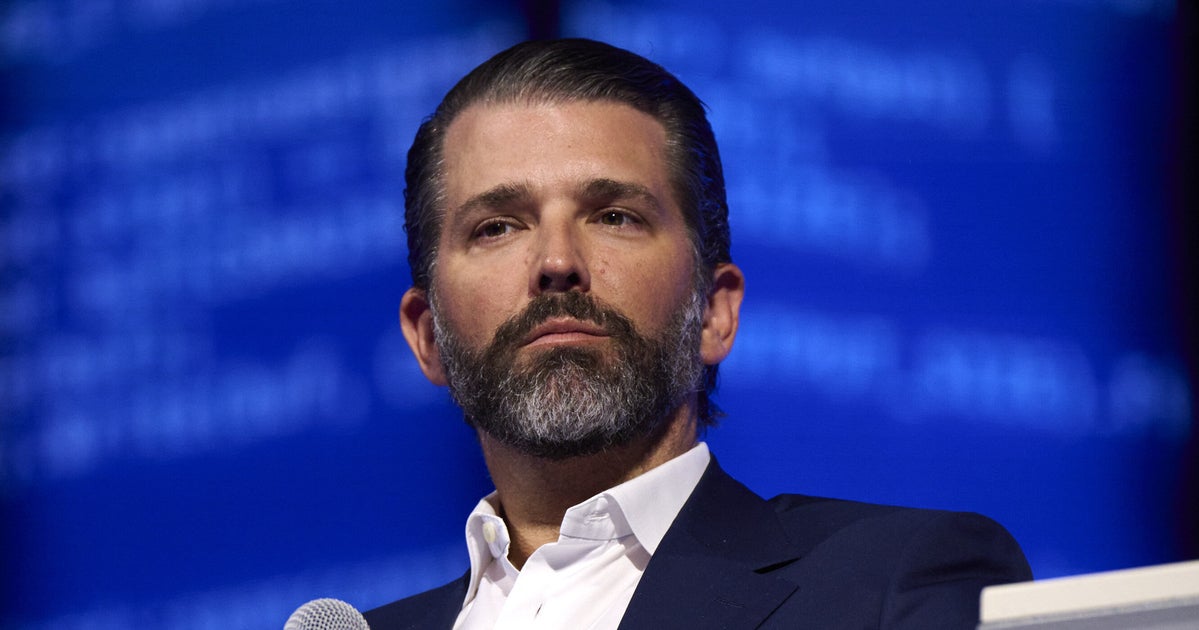
Hadrian has raised more than $1 billion from private investors in recent months. One of those investors is 1789 Capital, the venture firm where Donald Trump Jr. serves as a partner. 1789 has taken a minority stake in Hadrian, though the exact size of that holding has not been made public. The potential loan would be nearly double the company's estimated valuation from a recent funding round and roughly ten times larger than the Pentagon's biggest recent lending deals.
Pentagon documents reviewed by ProPublica indicate that staff have questioned whether Hadrian can scale quickly enough to hire workers and operate the proposed facilities. The White House has said Hadrian approached the Pentagon with the loan proposal and that discussions remain at an extremely early stage.
Why This Matters
The size and structure of the proposed arrangement have alarmed former Defense Department officials. They warn that using taxpayer funds to expand a young defense contractor—only to later award that same contractor government contracts—could create a cycle in which public money helps repay a public loan. Critics also say the deal could give Hadrian an unfair advantage over competitors and expose the government to allegations of favoritism.
The timing adds political weight. Democrats are set to control both chambers of Congress and have promised to use oversight powers to examine Trump administration actions that financially benefit the president's relatives and associates. Since the start of Donald Trump's second term, companies linked to his adult sons have already secured billions in federal support, including a separate Pentagon loan to a rare earth minerals startup after 1789 Capital invested in it.
For Hadrian, the stakes are existential. The company says its automation software, called Opus, can solve skilled-labor shortages in defense manufacturing by letting a small number of workers oversee fleets of robots. Yet the company has disclosed little publicly about what its facilities have so far manufactured, and outside analysts question whether its rapid growth can keep pace with its promises.
Key Takeaways
- The Pentagon is considering a loan of up to $15 billion to Hadrian Automation, a defense-tech startup with ties to Donald Trump Jr. through 1789 Capital.
- Hadrian plans to build automated, AI-driven factories to produce munitions, drones, and precision components for the U.S. military.
- The potential loan would be nearly twice the company's recent estimated valuation and far larger than previous Pentagon lending deals.
- Former defense officials warn the arrangement could create conflicts of interest and leave taxpayers exposed if the company struggles.
- Both the Pentagon and 1789 Capital have denied that political connections influenced the discussions, while Trump Jr.'s lawyer says he played no role in the company's consideration for funding.
Conclusion
Whether the Pentagon ultimately approves the Hadrian loan remains uncertain. Officials describe the talks as preliminary, and the department has pushed back on the reported dollar figure. Still, the proposal highlights a broader shift in how the U.S. government is using federal lending to reshape domestic industrial capacity, and it arrives just as Congress prepares to intensify its scrutiny of the Trump administration's business relationships. For taxpayers, competitors, and lawmakers, the central question is whether a multibillion-dollar bet on a young, politically connected startup serves national security—or simply rewards connections.
Discussion
Join the conversation
Thoughtful reactions, questions, and follow-up ideas help shape the next story.