Introduction
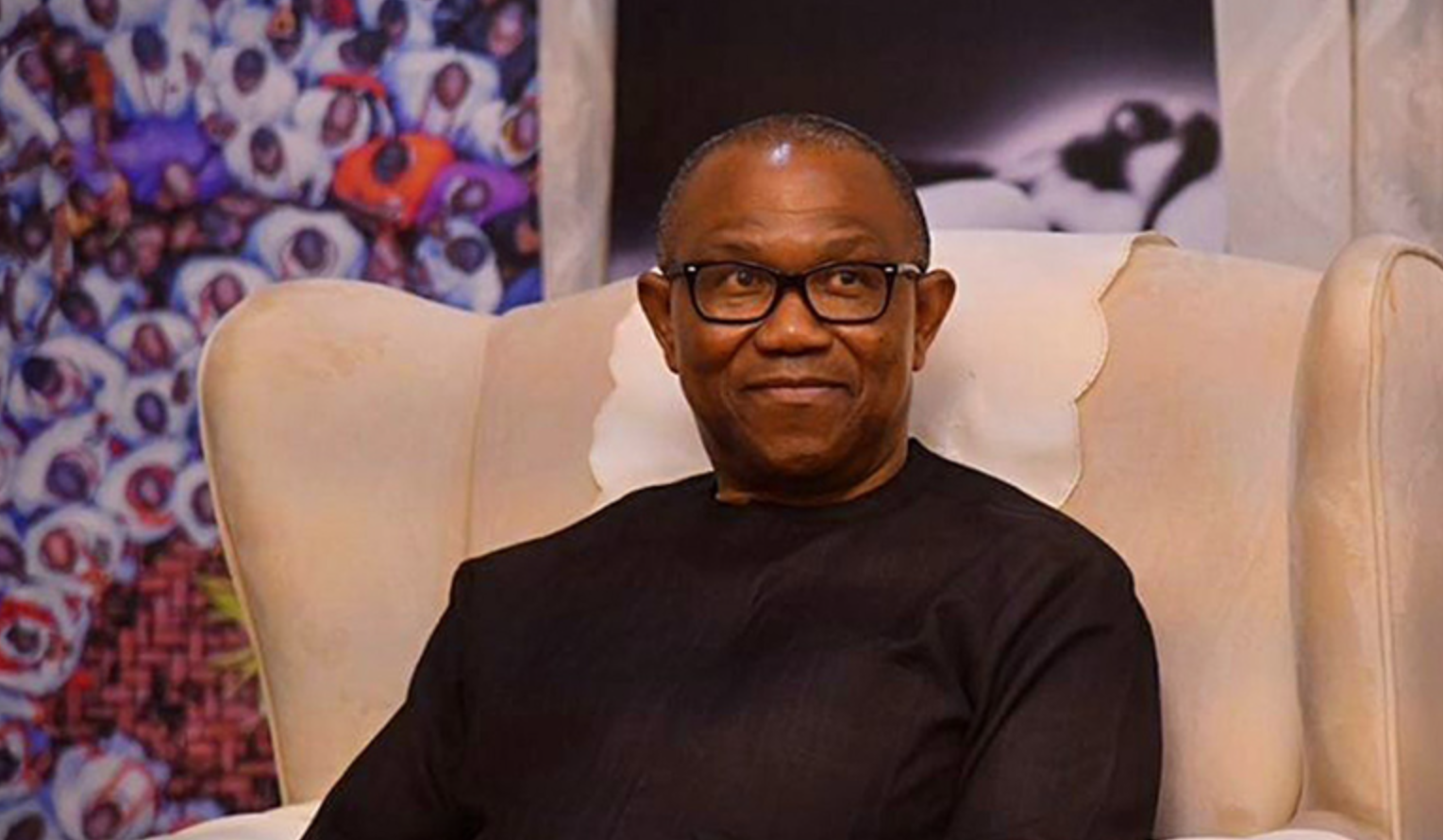
Former Anambra State governor and presidential candidate Peter Obi has openly questioned the World Bank's upbeat assessment of Nigeria's economic trajectory. While the multilateral institution projects accelerated growth through 2028, Obi argues the numbers mask the daily struggles of millions of Nigerians facing poverty and unemployment.
What Happened
On Monday, October 12, 2026, Obi released a statement on microeconomic stability amid increasing poverty, challenging the World Bank's revised GDP forecast of 4.3% for 2026, up from 4.0% in 2025 and 4.4% in 2027–2028. The World Bank attributes the positive revision to improving conditions, renewed investor confidence, and a rebound in private-sector investment across Sub-Saharan Africa. However, Obi contends that headline growth figures do not reflect the reality of rising poverty, persistent unemployment, and deteriorating living standards for the average Nigerian.
Why This Matters
Obi's critique highlights a growing disconnect between official economic indicators and the lived experiences of ordinary citizens. He argues that an economy cannot be considered truly stable when families cannot afford basic food, access healthcare, or educate their children. His stance forces a reconsideration of what constitutes successful development policy, shifting the focus from aggregate GDP gains to tangible improvements in household welfare, inequality reduction, and job creation.
Key Takeaways
- World Bank projects Nigeria's GDP to grow 4.3% in 2026, with broader Sub-Saharan Africa growth revised to 4.3% from 4.1% in 2025.
- Peter Obi emphasizes that macroeconomic stability must be measured by poverty reduction, employment opportunities, and access to essential services.
- The World Bank's $5.79 billion private financing target and FINCLUDE programme aim to stimulate MSME growth and support 850,000 jobs, but Obi questions whether such initiatives reach those most in need.
- Obi urges the Federal Government to prioritize policies delivering measurable welfare improvements rather than relying on favorable statistics.
Conclusion
As Nigeria navigates competing economic narratives, the debate sparked by Peter Obi underscores the need for growth that translates into real dignity for every citizen. True economic progress, he argues, is defined not by upward revisions in GDP projections, but by the tangible well-being of the people those numbers are meant to serve.


Discussion
Join the conversation
Thoughtful reactions, questions, and follow-up ideas help shape the next story.