Introduction
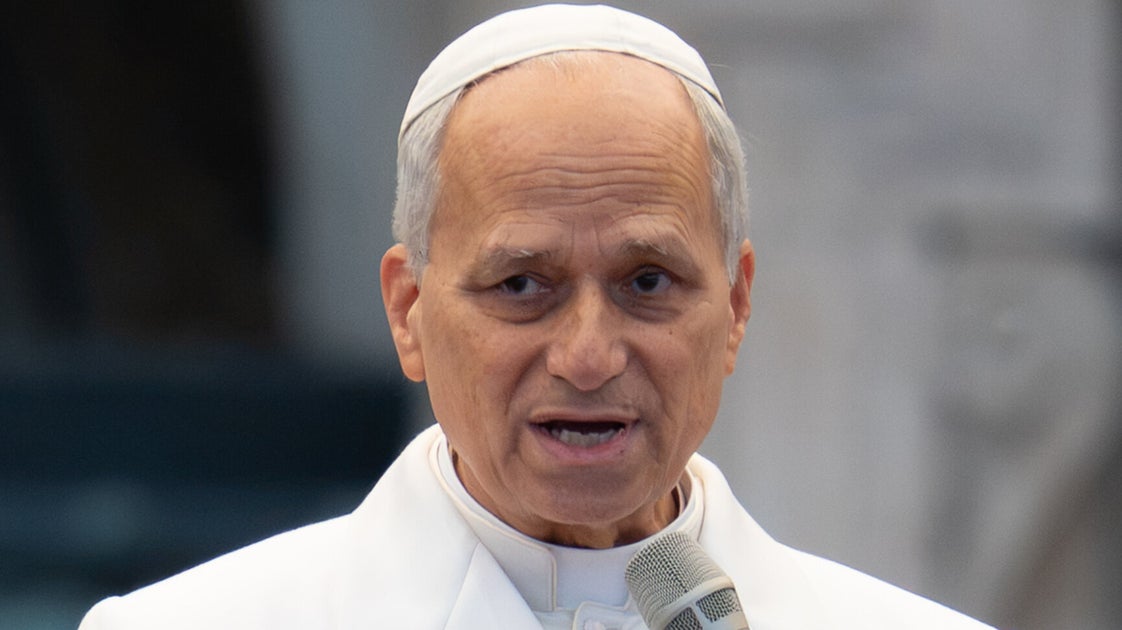
Pope Leo has departed from his typically cautious public tone to address the breakdown of recent United Nations climate negotiations. Speaking to pilgrims during a weekly audience in St. Peter's Square, the pontiff described the outcome as troubling and called on governments to pursue far more ambitious action against global warming. His remarks follow the conclusion of the COP31 summit without a binding agreement, a rare diplomatic setback in international climate diplomacy.
What Happened
The COP31 climate talks collapsed on Sunday after the European Union and several other nations rejected a proposed final agreement. Presidents from Turkey and Australia, who led the summit, put forward the deal, but critics argued it was too weak to meaningfully advance the fight against rising global temperatures. The failure marks the first time UN climate negotiations have ended without an adopted deal since the Copenhagen summit in 2009. Pope Leo addressed the impasse directly, telling attendees that the international community had failed to adopt clear, serious, or responsible commitments to confront the climate crisis.
Why This Matters
The pope's intervention is significant because he rarely issues pointed appeals to the global community during his weekly audiences. Unlike Pope Francis, Leo tends to speak carefully in public settings, making this criticism especially notable. As the first U.S.-born pope and spiritual leader of roughly 1.4 billion Catholics, Leo has consistently framed environmental protection as a moral duty. In the previous year, he authorized a new Catholic Mass rite that encourages stewardship of creation, marking a first for the worldwide Church. His call for renewed solidarity, changed behaviors, and new socio-economic governance adds a religious and ethical dimension to a debate often dominated by politics and economics.
Key Takeaways
- Pope Leo described the COP31 outcome as troubling and urged stronger global commitments to combat climate change.
- The UN climate talks collapsed after the European Union and other nations rejected a deal led by Turkey and Australia as too weak.
- The failure represents the first collapsed UN climate summit since Copenhagen in 2009.
- The pontiff called for shared responsibility, international solidarity, and fundamental changes to socio-economic systems.
- Pope Leo, the first U.S.-born pope, has made care for creation a central theme of his papacy.
Conclusion
While the collapse of COP31 is a setback for global climate diplomacy, Pope Leo's remarks signal that moral and religious leaders intend to keep pressure on governments. By linking extreme weather events to a broader climate crisis and calling for changes in behavior and governance, the pope is urging the world to treat the issue with greater urgency. Whether world leaders respond with stronger commitments remains uncertain, but the Vatican has made clear that it views the failure of the talks as unacceptable.
Discussion
Join the conversation
Thoughtful reactions, questions, and follow-up ideas help shape the next story.