Introduction
Qatar is stepping up its diplomatic efforts to bring the United States and Iran toward a negotiated settlement, even as Gulf governments warn that regional stability remains fragile. The latest round of closed-door talks has produced cautious optimism from Doha, but officials on both sides of the Persian Gulf are preparing for a prolonged period of uncertainty.
What Happened
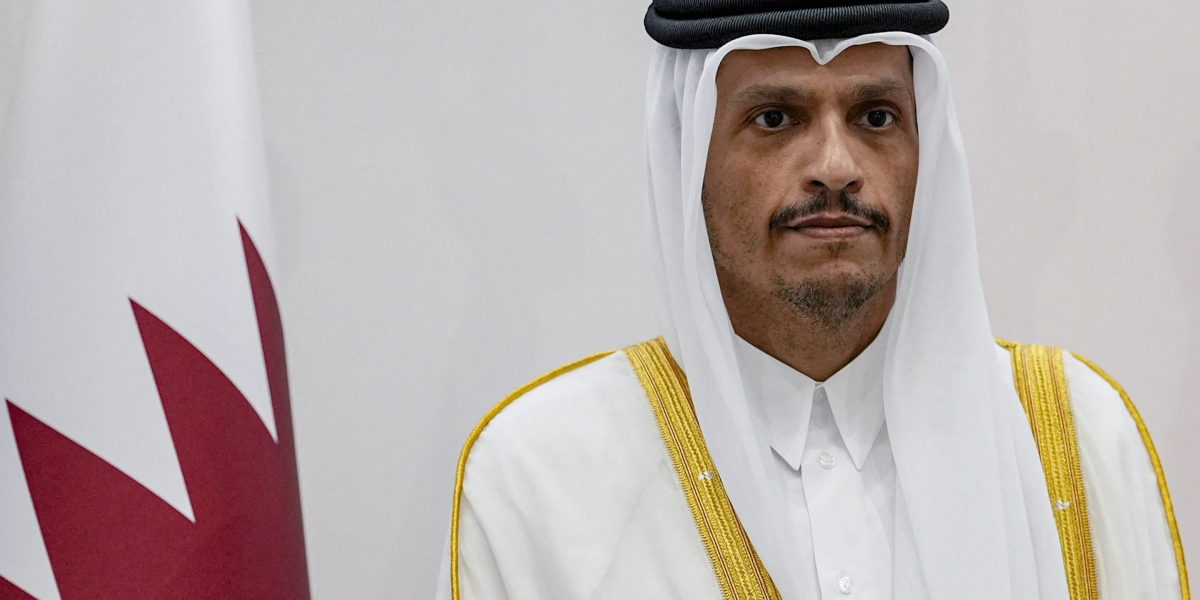
Qatari Prime Minister Sheikh Mohammed bin Abdulrahman Al Thani held meetings in Washington with President Donald Trump and Vice President JD Vance, describing the discussions as positive. Following the visit, Al Thani made an unexpected appearance at a gathering of G7 foreign ministers in Paris, where European diplomats reportedly urged U.S. Secretary of State Marco Rubio to avoid further escalation against Tehran.
A Qatari government spokesperson, Ibrahim bin Sultan Al Hashmi, told reporters in Doha that Monday's direct negotiations between the U.S. and Iran were focused on progress, though he declined to offer a timeline. He said officials cannot currently gauge how near or distant a deal might be.
Meanwhile, President Trump acknowledged positive momentum on his social media platform while warning that the United States remains ready for military action if regional conditions shift. He also suggested that Gulf states including Qatar, Saudi Arabia, Kuwait, and the UAE would prefer to maintain the current status quo, which includes U.S. naval restrictions and limits on Iran's overland trade under Operation Iron Gate.
Security concerns are mounting across the region. The United Kingdom's Maritime Trade Operations agency recorded more than 30 attacks on commercial shipping in and around the Strait of Hormuz in October, the highest monthly total since the conflict began. In response, GCC defense ministers have approved plans for a joint command center in Kuwait, though specifics about troop contributions, mandates, and launch dates have not been released.
Why This Matters
The diplomatic push matters because the war's economic fallout is already spreading. Emirates, Dubai's flagship carrier, reported a 66% drop in profits for the first half of its financial year, citing reduced passenger demand and higher fuel costs linked to the conflict. The airline carried 22% fewer passengers year over year, though cargo revenue surged as shippers shifted goods to air transport.
Beyond aviation, Gulf leaders are signaling that they no longer assume a quick resolution or a return to predictable regional order. Anwar Gargash, a diplomatic advisor to the UAE president, told a forum in Abu Dhabi that governments should prepare for extended uncertainty and invest in stronger defense capabilities and international security partnerships.
At the same time, the Gulf is pressing ahead with economic diversification. Mobile World Congress Doha highlighted a connectivity gap affecting nearly half of the MENA population, while Dubai's financial center continues to attract global banks and technology firms. These long-term ambitions depend heavily on whether diplomacy can lower the risk of further military escalation.
Key Takeaways
- Qatar is leading shuttle diplomacy between Washington and Tehran, but officials say no agreement timeline is currently visible.
- President Trump acknowledged progress while maintaining that U.S. forces remain ready for action.
- Attacks on commercial shipping near the Strait of Hormuz reached a monthly peak in October.
- GCC states approved a new joint military command center in Kuwait without disclosing operational details.
- The conflict is already damaging Gulf aviation profits and complicating travel across the region.
Conclusion
Qatar's latest diplomatic initiative offers a potential path out of the U.S.-Iran conflict, yet Gulf officials are not treating it as a guaranteed breakthrough. With shipping attacks at record levels and military integration advancing across the GCC, the region appears to be hedging against a long period of instability. Whether the current momentum produces a durable agreement—or simply pauses the fighting—will shape Gulf security and economics for years to come.
Discussion
Join the conversation
Thoughtful reactions, questions, and follow-up ideas help shape the next story.