Introduction
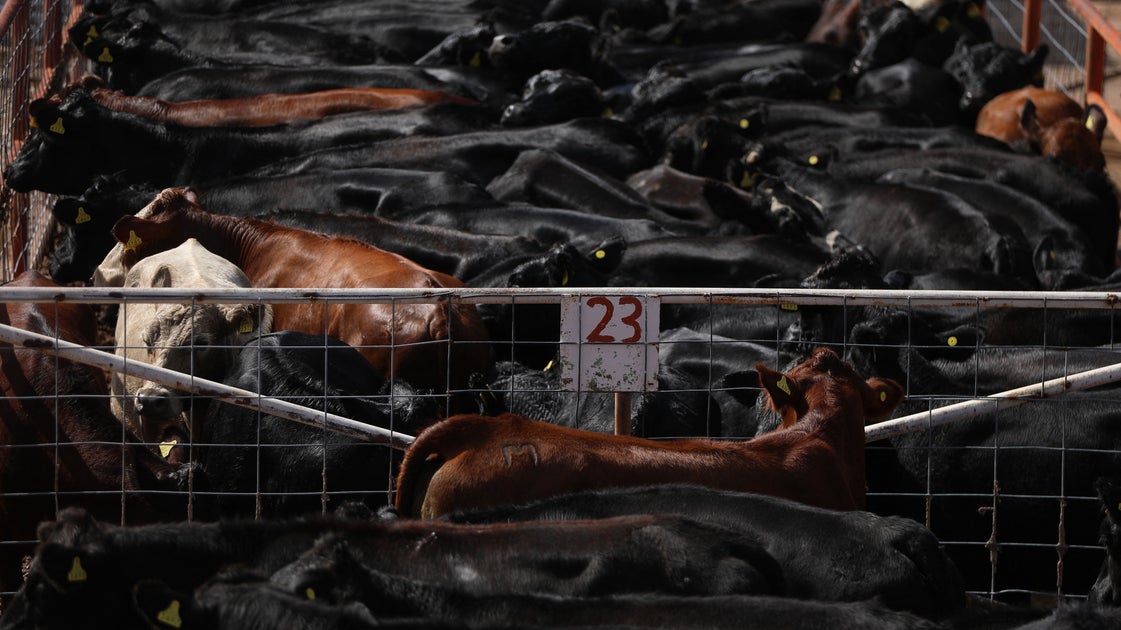
A parasitic pest known as the New World screwworm is spreading across the American Southwest, infesting dozens of animals and raising alarms among ranchers, veterinarians, and federal agriculture officials. The fly's larvae feed on living flesh, posing a direct threat to cattle, horses, dogs, and even wildlife. With case counts climbing month over month, authorities are scrambling to deploy biological controls before the infestation becomes harder to contain.
What Happened
According to data from the U.S. Department of Agriculture, screwworms infested 64 domestic animals in November alone, a sharp increase from 34 cases in October and just three in September. Since June, the agency has logged 149 infections in livestock and pets, along with two cases in wild elk. As of late November, 73 infections remained active.
The current wave follows the parasite's northward movement through Mexico. USDA first confirmed the pest in a Texas calf in June, with additional detections later in Texas and New Mexico. After a brief pause, the infestation reached Arizona, where officials now track nine active cases spanning four counties.
Arizona State Veterinarian Dr. Ryan Wolker attributed the advance to the pest's natural progression and a constrained supply of sterile male flies used to suppress wild populations. New Mexico State Veterinarian Dr. Samantha Holeck noted that gaps in the sterile-fly barrier across northern Mexico allowed the insects to reach the U.S. border on both sides.
Why This Matters
Screwworms are more than a nuisance for animal owners. Left unchecked, infestations can devastate herds, drive up veterinary costs, and disrupt cattle markets. The previous decision to block cattle imports from Mexico contributed to record-high beef prices, and trade has only recently resumed at select border crossings in Arizona and New Mexico.
Weather is compounding the problem. Unusually warm and wet conditions linked to El Niño, along with moisture from Hurricanes Rachel and Polo, created an ideal environment for the flies to multiply. Veterinarians also warn that winter temperatures in parts of Texas, New Mexico, and Arizona may not drop low enough to kill off the pest, meaning the threat could persist into the colder months.
Key Takeaways
- New World screwworm cases rose from three in September to 64 in November, with 149 total domestic animal cases reported since June.
- Active infections climbed to 73 by late November, up from just two at the end of September.
- The parasite has established a presence in Texas, New Mexico, and Arizona, with nine active cases across four Arizona counties.
- USDA is expanding sterile fly production, including a new facility in South Texas overseen by the Army Corps of Engineers and expected to open next spring.
- Genetically engineered sterile flies developed in Panama, known as NovoFly, could help double output by producing only males.
- Experts cite warm, wet weather and limited sterile-fly supplies as the primary drivers behind the surge.
Conclusion
Federal officials are releasing all available sterile flies across the Southwest and along Mexico's northern border in an effort to slow the spread. The sterile males mate with wild females, preventing their eggs from hatching, but production capacity remains a bottleneck. Until new facilities come online and genetically modified strains prove scalable, ranchers, hunters, and pet owners are being urged to monitor animals closely and report suspicious wounds or infestations immediately.
As one South Texas deer-hunting ranch owner put it, the community is watching anxiously to see whether the federal response can outpace the parasite's advance.
Discussion
Join the conversation
Thoughtful reactions, questions, and follow-up ideas help shape the next story.