
Introduction
South Korean President Lee Jae Myung is urging former President Donald Trump to engage Kim Jong Un in a new summit arguing a diplomatic opening could halt nuclear advances and usher in a lasting peace regime on the Korean Peninsula.
What Happened
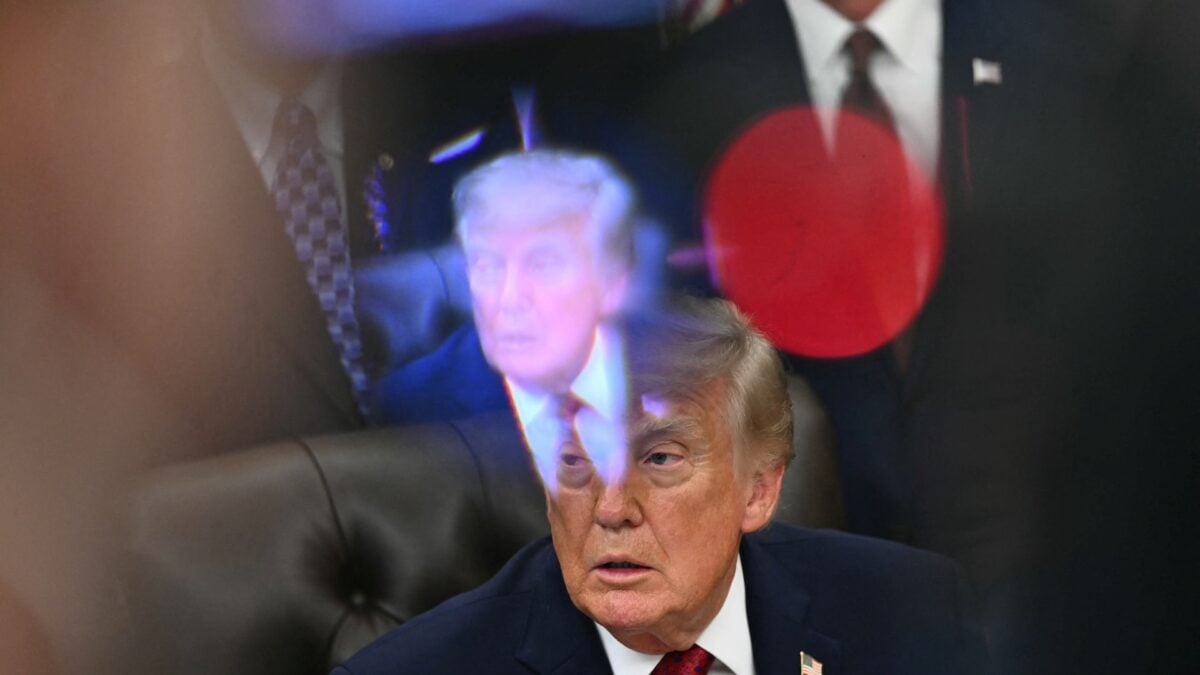
Lee Jae Myung met Trump on the sidelines of the UN General Assembly and argued that Trump openness to meeting Kim represents a hard-won opportunity for change. The South Korean leader envisions a step-by-step process: first halting North Korea nuclear and missile advances then reducing those capabilities over the medium term and ultimately achieving a nuclear-free Korean Peninsula. While Trump has publicly stated he plans to meet Kim later this year it remains unclear whether a formal summit is officially scheduled. Past meetings in Singapore and Vietnam yielded no tangible denuclearization progress and North Korea sister Kim Yo Jong has dismissed denuclearization as unrealistic.
- First step: freeze North Korean nuclear and missile testing.
- Medium-term goal: reduce existing capabilities.
- Long-term aim: a nuclear-free Korean Peninsula.
Why This Matters
A renewed U.S.-North Korea dialogue could alter the security calculus for Northeast Asia. With the Korean War still technically in effect--hostilities ended in 1953 with an armistice not a peace treaty--any diplomatic breakthrough would have ripple effects for regional stability denuclearization verification and trilateral security cooperation between Seoul Washington and Pyongyang. The proposed $350 billion South Korean investment in the U.S. and expanded cooperation on nuclear submarine fuel shipbuilding and wartime command transition further underscore the strategic stakes.
- Regional stability depends on verified denuclearization steps.
- Trilateral security cooperation between South Korea the U.S. and North Korea remains fragile.
- Economic and military partnerships including $350 billion in U.S. investment reshape the strategic landscape.
Key Takeaways
South Korea is actively lobbying for a Trump-Kim summit as a mechanism to restart denuclearization talks and transition from war to peace. The process would begin with a freeze on North Korean missile tests followed by gradual capability reductions and conclude with a long-term goal of a nuclear-free peninsula. Despite diplomatic momentum North Korea leadership maintains that its nuclear arsenal is absolute and essential for deterrence. Meanwhile Seoul has committed massive investment in the U.S. economy and pledged deeper military-technical cooperation with Washington signaling that the stakes extend far beyond a single meeting.
Conclusion
Whether a Trump-Kim summit materializes later this year remains uncertain but the diplomatic initiative signals a significant shift in South Korea approach to North Korea security. For readers tracking Indo-Pacific geopolitics the coming months will be critical in determining if dialogue can overcome decades of stalemate or if Pyongyang uncompromising nuclear stance will once again block progress toward a lasting Korean Peninsula peace.

Discussion
Join the conversation
Thoughtful reactions, questions, and follow-up ideas help shape the next story.