
Introduction
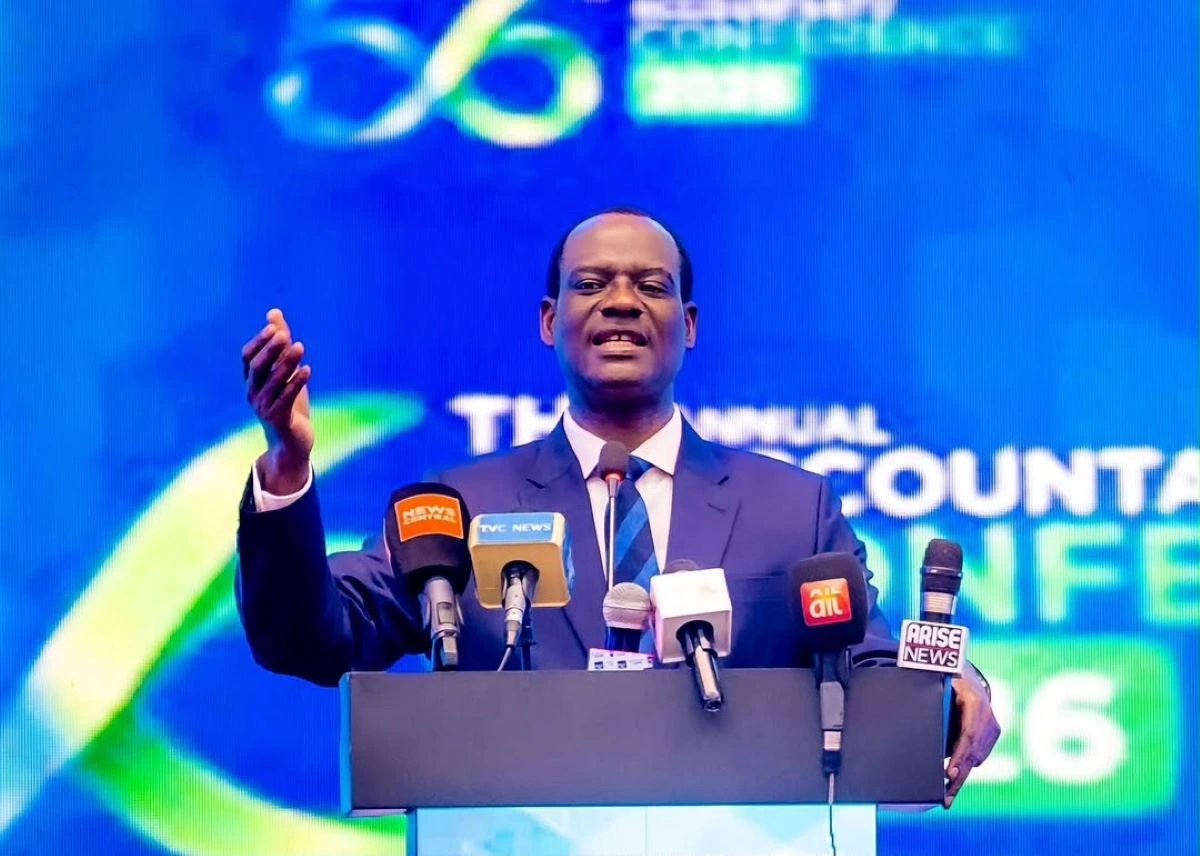
President Tinubu opened the 32nd Nigerian Economic Summit by declaring his administration is actively rewriting Nigeria's long-standing narrative of economic underperformance. Speaking in Abuja, he emphasized that the journey requires dismantling structural barriers and creating conditions where both public and private sectors can drive productivity, jobs, and shared prosperity for all Nigerians.
What Happened
At the summit themed Growth that Works Delivering Jobs Productivity and Shared Prosperity Tinubu outlined a series of reforms aimed at transforming Nigeria's economic trajectory. Key announcements included the presentation of the Nigerian Economic Policy Framework by Minister Taiwo Oyedele designed to institutionalize stable decision-making and curb arbitrary policy reversals. Minister of Budget Abubakar Bagudu reaffirmed the administration's commitment to sustaining reforms ruling out a return to petrol subsidies while Governor Chukwuma Soludo highlighted that local patronage gaps cost Nigeria approximately 10 million jobs. Other speakers including BUA Chairman Rabiu and UN Deputy Secretary-General Amina Mohammed contributed insights on industrial growth investment needs and the urgency of consolidating reforms to deliver tangible benefits for citizens.
Why This Matters
The reforms discussed at NES#32 represent a pivotal moment for Nigeria's economic direction especially as the nation seeks to transition from oil-dependent growth to a diversified productivity-driven model. With inflation foreign exchange challenges and widespread household pressure the summit's focus on policy stability private-sector engagement and job-rich growth offers a roadmap for addressing immediate livelihood concerns while building long-term resilience. Experts warned that without consistent implementation and adequate financing particularly for long-term industrial projects the risk of policy reversal could undermine years of progress and delay much-needed development outcomes.
Key Takeaways
- President Tinubu declared his government's mandate to rewrite Nigeria's economic story emphasizing no shortcuts to sustainable growth.
- The Nigerian Economic Policy Framework aims to institutionalize reform continuity beyond electoral cycles.
- Officials ruled out petrol subsidy reversal citing long-term economic stability as priority.
- Governor Soludo linked local product patronage to job creation urging 7-9 annual growth to address poverty.
- BUA Chairman Rabiu called for 100 new major industrial firms and increased long-term financing to boost manufacturing.
- UN's Amina Mohammed urged immediate consolidation of reforms to manage citizen expectations and deliver visible improvements.
- The summit reinforced that private-sector investment policy predictability and structural diversification are essential for Nigeria's $1 trillion economy goal by 2030.
Conclusion
As Nigeria stands at a crossroads the commitments made at the 32nd Economic Summit signal both ambition and urgency. Sustaining reforms translating policy into productivity and ensuring inclusive growth will determine whether the nation can successfully rewrite its economic narrative. Stakeholders across government business and civil society must remain engaged to turn these declarations into measurable improvements in living standards and shared prosperity for all Nigerians.







Discussion
Join the conversation
Thoughtful reactions, questions, and follow-up ideas help shape the next story.