Introduction
President Bola Tinubu is advancing key fiscal decisions ahead of the 2027 fiscal cycle, with the Federal Executive Council signaling major budget and policy moves ahead of year-end.
What Happened
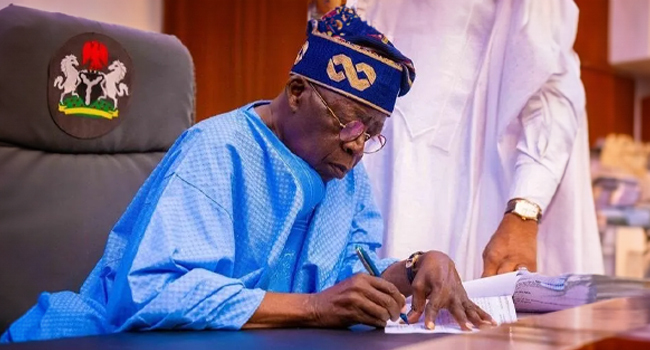
Tinubu has been cleared to present the 2027 Appropriation Bill to the National Assembly before the close of 2026, following his recent signing of the Appropriation (Amendment) (No.4) Bill on September 30, 2026. During the same Federal Executive Council session, Minister of State for Budget and Economic Planning Doris Uzoka-Anite briefed State House correspondents on a series of approved initiatives.
The council also gave its official endorsement to the National Development Plan 2026-2030, alongside new legal frameworks designed to address child stunting and strengthen national food security. Additionally, FEC approved a revised National Policy on Food and Nutrition for 2026, aiming to create sustainable financing structures and improve coordination across agriculture, health, education and development partners.
Why This Matters
The upcoming budget presentation marks a critical step in shaping the 2027 fiscal agenda. By advancing the budget process before the end of 2026, the administration aims to ensure smoother implementation and timely resource allocation.
The endorsement of the National Development Plan and the new food and nutrition policy reflect a broader commitment to long-term human capital development and economic resilience. For stakeholders in agriculture, health, and education, these frameworks signal new opportunities for funding and inter-ministerial collaboration.
Key Takeaways
- 2027 Budget Timeline: President Tinubu is set to deliver the 2027 Appropriation Bill to the National Assembly before the end of 2026, following the signing of the Appropriation (Amendment) (No.4) Bill.
- Policy Endorsements: FEC officially endorsed the National Development Plan 2026-2030 and a revised National Policy on Food and Nutrition targeting child stunting and food security.
- Borrowing Clarification: Minister Taiwo Oyedele clarified that the $21.7 billion borrowing proposal is a multi-year asset investment spanning approximately five years, not an immediate expenditure.
- Approximately $10.6 billion of the proposed loan is earmarked for critical transport infrastructure, including the Sokoto-Badagry Highway, Lagos-Calabar Coastal Highway, and the Kano-Kaduna Metro Rail.
- Over $7.9 billion will be sourced from multilateral and bilateral development partners, led by a $5 billion World Bank component at an average interest rate of roughly 2.1 per cent.
- $3.3 billion is designated for state governments, and $1.45 billion for the Federal Capital Territory, from the overall borrowing package.
Conclusion
With the 2027 budget process moving forward and key policy frameworks gaining approval, the coming months will be shaped by how these decisions translate into on-the-ground impact. The combination of fiscal planning, infrastructure investment, and targeted nutrition and development policies underscores the administration's focus on sustained growth and human capital improvement.




Discussion
Join the conversation
Thoughtful reactions, questions, and follow-up ideas help shape the next story.