Introduction
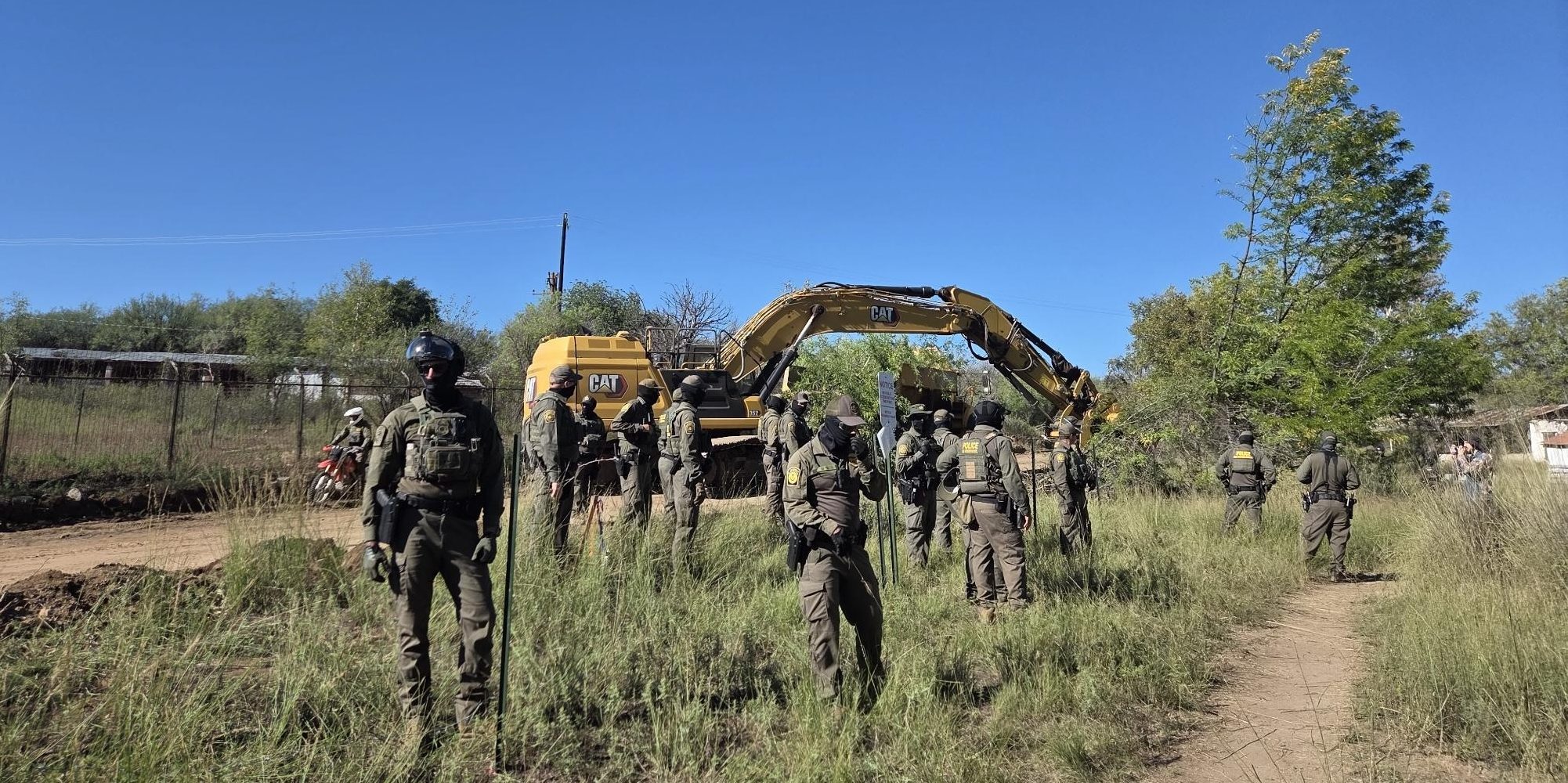
Federal agents launched a pre-dawn raid on a protest encampment in Lochiel, Arizona, bulldozing a 200-year-old cottonwood tree that had become a symbol of resistance against the U.S.-Mexico border wall. The action, which occurred during a morning prayer ceremony, resulted in at least 10 arrests and left the once-thriving tree-sit movement facing an uncertain future.
What Happened
On October 5, 2026, heavily masked Border Patrol officers arrived with a bulldozer at the remote encampment where activists had lived for more than 70 days to protect the ancient cottonwood. Despite efforts to shield the tree, agents used a cherry picker to remove a protester from the branches before felling the tree. The site, located on private land near the San Rafael Valley, had drawn dozens of defenders and was the last standing of four ancient cottonwoods in the area.
In the hours following the demolition, another tree sitter climbed the final remaining cottonwood on the Mexico side of the border, declaring it once again halts construction. Organizers reported roughly 50 people on the line, with dozens more en route to the site.
Why This Matters
The bulldozed tree stood as the last of four grandmother trees on the Arizona side of the border, each culturally and ecologically significant. The San Rafael Valley, where the site sits, is a rare wildlife migration corridor, home to species moving between the U.S. and Mexico. Critics argue the wall fragmentizes habitat and ignores indigenous and local opposition. Activists say the raid underscores a pattern of federal force prioritizing wall construction over legal boundaries and environmental protection.
Border Patrol agents entered the site without warrants, sparking concerns about property rights and escalating impunity. As one land defender stated, 'They just want to push the wall through, regardless of the harm they have to cause to us and to the land in the process.'
Key Takeaways
- At least 10 protesters were arrested during the pre-dawn raid, and the 200-year-old cottonwood was completely felled.
- The tree was the last of four ancient grandmother trees targeted as part of the border wall expansion.
- Activists have vowed to continue the fight, with a new tree sitter occupying the Mexico-side cottonwood.
- The raid occurred on private land, yet federal agents proceeded without displayed warrants, raising legal questions.
- The standoff reflects broader tensions over border policy, ecology, and the cost of Trump's $50 billion wall project.
Conclusion
The felling of the 200-year-old cottonwood marks a significant escalation in the battle over the U.S.-Mexico border wall, but it also galvanized renewed resistance. With another tree now occupied on the Mexican side and a call for presence issued to supporters, the movement shows no signs of stopping. As the border wall project pushes forward, the clash between federal enforcement and grassroots defense remains a defining struggle over land, ecology, and sovereignty.


Discussion
Join the conversation
Thoughtful reactions, questions, and follow-up ideas help shape the next story.