Introduction
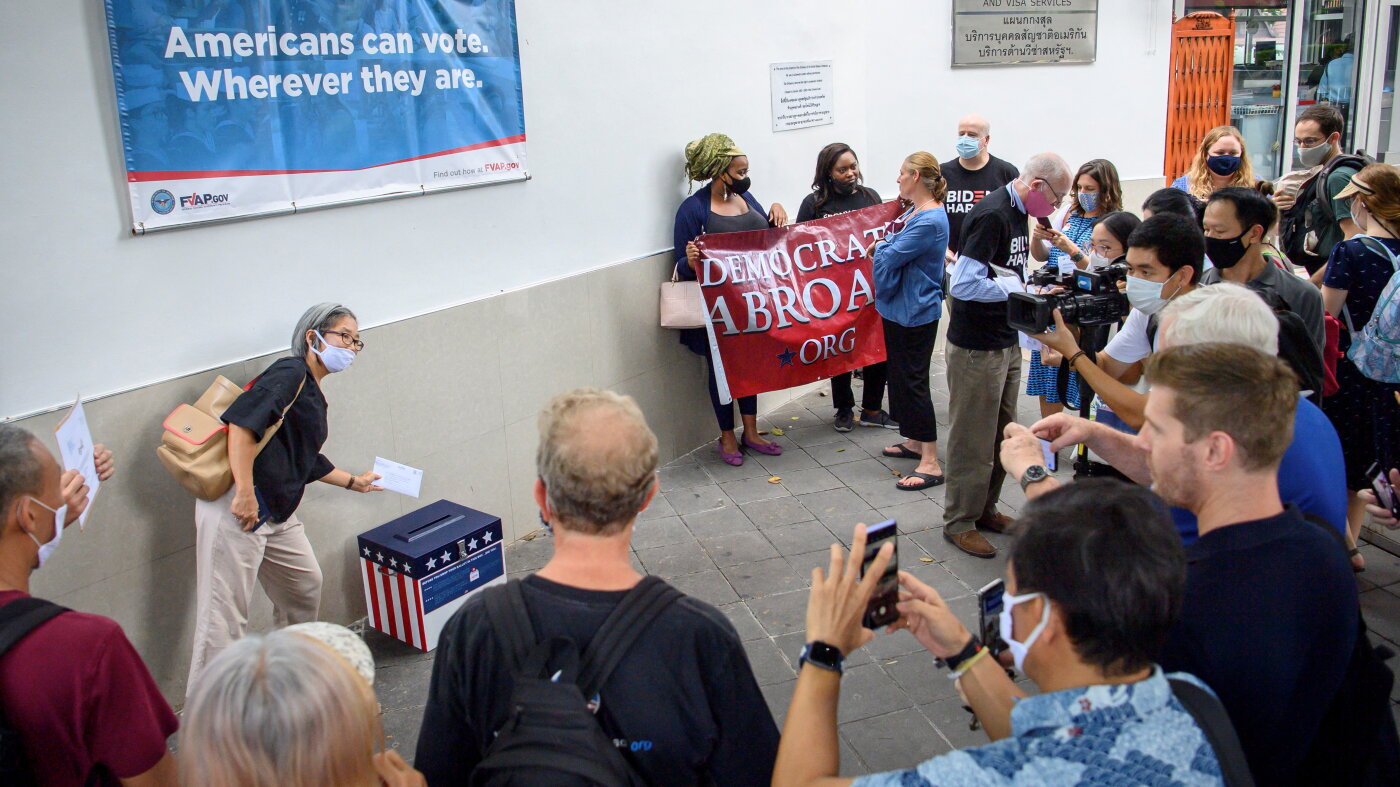
U.S. citizens living abroad have long relied on standardized federal forms to register and vote in federal elections. Recently, the Trump administration introduced last-minute revisions to two key voting forms, sparking concern among advocacy groups and election officials. The changes come amid a broader Republican push to restrict voting eligibility for overseas citizens, particularly those who have never lived in the United States.
What Happened
In late August, the Pentagon submitted emergency requests to alter the Federal Post Card Application and the Federal Write-In Absentee Ballot. The revisions removed a checkbox that allowed overseas U.S. citizens to indicate they had never lived in the United States. This leaves only two response options: voters must state they intend to return to the U.S. or express uncertainty about returning. The move affects eligible overseas citizens, including military members and their families, who participate in federal elections through the Department of Defense's voting assistance program.
- The Pentagon removed a checkbox for never lived in the U.S. from both the Federal Post Card Application and the Federal Write-In Absentee Ballot.
- Only two response options remain: intent to return or uncertainty about returning.
- Republican officials have filed lawsuits in multiple states arguing that never-resided citizens should not be permitted to vote.
- The Pentagon states states may continue processing previous versions of the forms.
Why This Matters
Critics argue the revisions create new barriers for overseas voters who previously had a straightforward path to the ballot box. Advocacy organizations warn that the changes could disenfranchise citizens born abroad who have never set foot on U.S. soil, particularly in states that allow voting through a relative's last address. With midterm elections approaching, the timing of the form updates has raised questions about voter confusion and the adequacy of state-level outreach.
Election law experts note that while the federal law governing overseas voting has not changed, the altered presentation of forms within a 90-day window before Election Day leaves states little time to adapt, train staff, and inform voters.
Key Takeaways
- The Pentagon's form changes remove a category for overseas citizens who have never lived in the United States.
- Two response options now replace the removed checkbox, requiring sworn declarations about intent to return.
- GOP-led lawsuits in several states seek to block never-resided citizens from voting, arguing the practice violates state constitutions.
- Advocacy groups warn the revisions may cause more confusion than clarity, especially with limited time before elections.
- State election officials are advised they may continue processing prior form versions, but advocacy groups urge greater transparency and outreach.
Conclusion
The latest form revisions highlight the ongoing tension between federal form changes and the practical realities of overseas voting. As legal challenges continue and midterm elections approach, the impact on eligible voters will depend heavily on how quickly states adapt and how effectively advocates communicate updated instructions. For U.S. citizens living abroad, staying informed about their state's specific requirements remains the best path to ensuring their vote is counted.



Discussion
Join the conversation
Thoughtful reactions, questions, and follow-up ideas help shape the next story.