Introduction
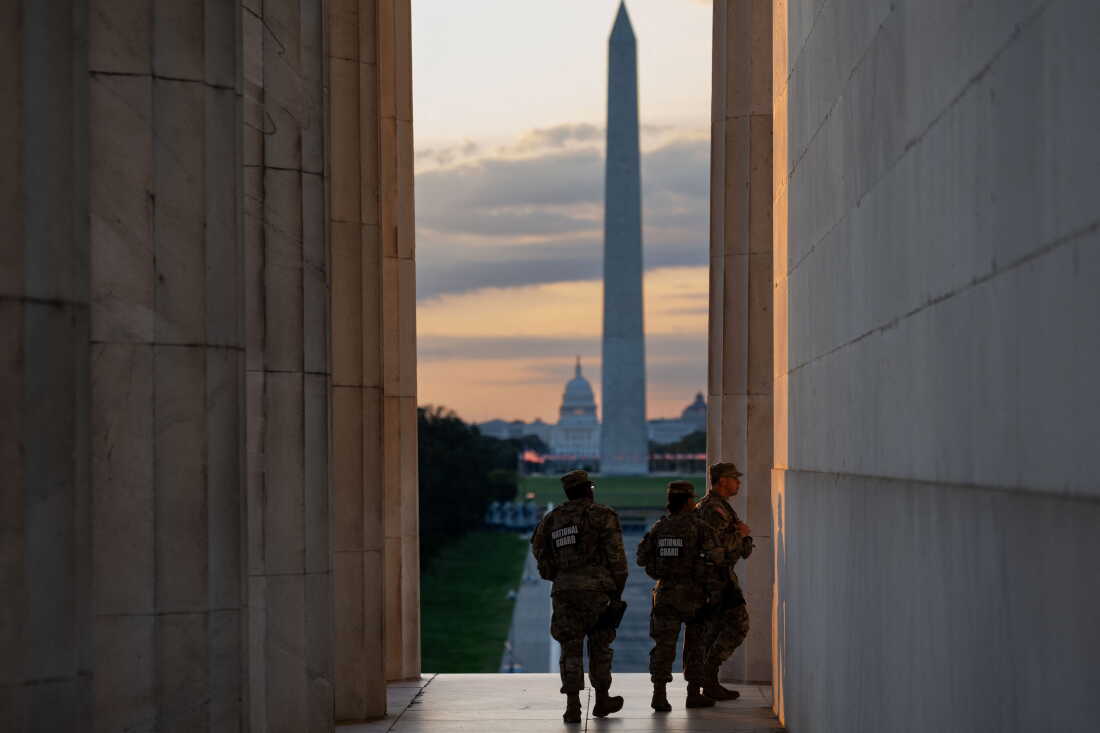
As the United States approaches another electoral cycle, concerns about potential military presence at voting sites have intensified. With Election Day fast approaching, a coalition of Democratic lawmakers, retired military leaders and civil society organizations are urging the Trump administration to confirm that the National Guard and federal troops will not be deployed near polling places.
What Happened
Less than 50 days before Election Day, Democratic senators and advocacy groups have formally pressed the administration for assurances that the military will not appear near voting locations. Retired military leaders, including members of the Former Judge Advocates Working Group, have warned that the president's recent rhetoric and executive orders could create conditions for deployment. Multiple lawsuits, Freedom of Information Act requests and public service campaigns have documented resistance efforts. Voting officials nationwide have reiterated that federal agents or troops at polling places are barred by federal law, though several administration figures have declined to give definitive answers. Among the developments, the Democratic National Committee filed suit alleging the administration ignored FOIA requests related to ballot seizure plans. Senator Elissa Slotkin of Michigan pressed military chiefs and federal agencies, receiving a response only from Joint Chiefs Chair General Dan Caine, who confirmed there are no plans to send troops to the polls. Meanwhile, Homeland Security Secretary Markwayne Mullin suggested ICE agents could serve warrants at voting sites, prompting civil society groups to warn of voter intimidation risks. An internal DHS memo, recently made public through a FOIA victory, outlines a pathway to deputize federalized National Guard members as immigration enforcement officers. Critics say the document is a legal work-around around the Posse Comitatus Act, especially given the administration's escalating claims about voter fraud involving unauthorized immigrants. Chioma Chukwu of American Oversight warned the memo could be used to justify National Guard deployment near polling places. On the legal front, retired Air Force military lawyer Maj. Gen. Steven Lepper emphasized that any such move would face immediate court challenges, but noted experts that there is no reversing the impact once election integrity is compromised. The article also references the president's previous statement that he would do whatever is needed to ensure a fair vote.
- Democratic lawmakers and retired military leaders are formally urging the Trump administration to rule out National Guard or federal troop deployment at polling places.
- Multiple lawsuits, FOIA requests and public campaigns are already documenting resistance efforts and legal boundaries.
- An internal DHS memo outlines a pathway to circumvent the Posse Comitatus Act, raising concerns about a legal work-around for domestic military presence.
- Only the Chairman of the Joint Chiefs of Staff has confirmed there are no plans to send U.S. troops to the polls.
- Any deployment would likely face immediate legal challenges, but experts warn courts cannot undo the impact of election-day interference.
Why This Matters
The stakes extend far beyond a single election cycle. When armed federal personnel appear near voting sites, even if legally prohibited, the visual alone can erode public confidence in the outcome. Voters may question whether the process is fair, potentially leading to broader challenges to results. Legal experts stress that the Posse Comitatus Act and long-standing norms exist precisely to keep the military out of domestic law enforcement roles. However, the recent memo revealing a potential workaround has raised alarms among democracy watchdogs, who argue the administration is searching for legal gaps to justify deployment. For everyday voters, the implications are practical: poll workers may face unfamiliar pressure, election officials may need to allocate resources to security planning, and the overall atmosphere at voting centers could shift from civic participation to heightened vigilance. Ensuring transparency and upholding legal safeguards is essential to keeping the focus on the issues, not the personnel surrounding the ballot.
Conclusion
As the nation edges closer to Election Day, the debate over military presence at the polls underscores the tension between security claims and democratic safeguards. Whether through legislative action, court challenges or continued advocacy, the coming weeks will likely determine whether those safeguards hold. Voters and watchdogs alike are watching closely, determined that the focus remain on the issues and the franchise, not the uniform.

Discussion
Join the conversation
Thoughtful reactions, questions, and follow-up ideas help shape the next story.