Introduction
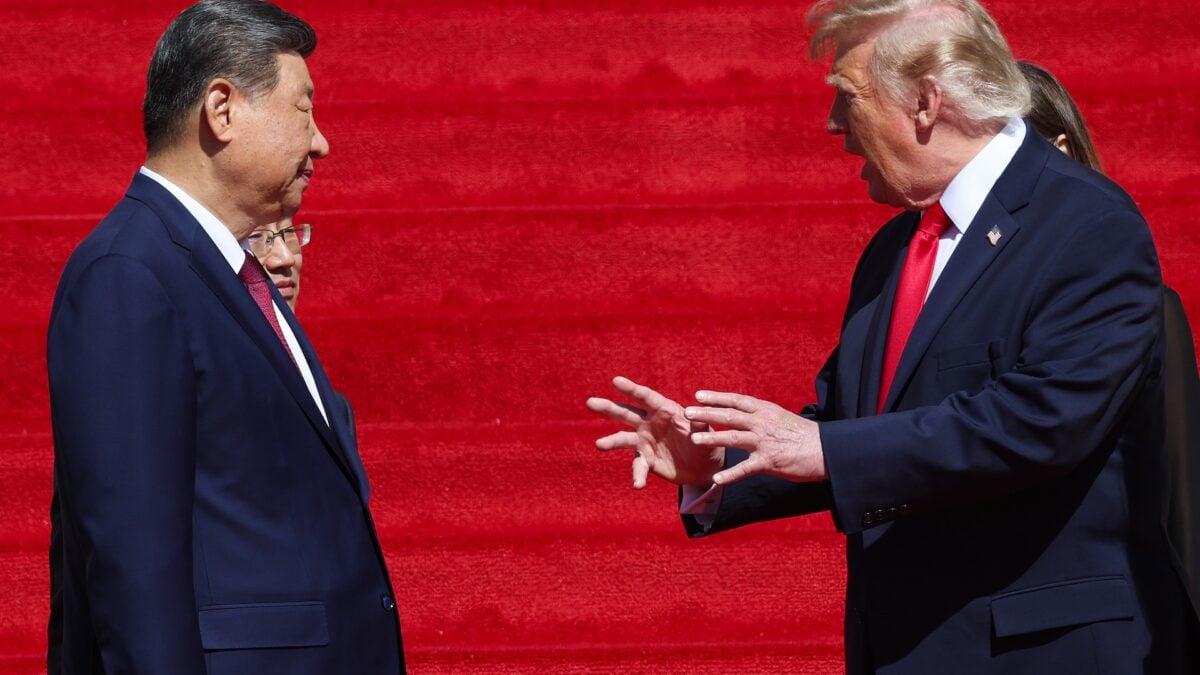
President Donald Trump and Chinese President Xi Jinping have made headlines by agreeing to rebrand artificial intelligence as 'super intelligence' in official diplomatic communications. The unexpected terminology shift, confirmed via a White House fact sheet following Xi's state visit, marks a notable pivot in how the world's two largest economies discuss emerging technology.
What Happened
The White House released a fact sheet detailing the outcomes of the presidential summit, including a line noting that both leaders agreed to use the term 'super intelligence' rather than 'artificial intelligence' to describe the applicable emerging technologies. Beyond the rebrand, the visit yielded traditional diplomatic gestures—such as the arrival of two giant pandas—and policy areas like the war on drugs and energy supply. In the security section, the document emphasized that the two nations will establish a new communications channel to discuss safety-related incidents involving the renamed technology, and that officials will meet in November to assess risks and benefits.
Why This Matters
Reframing AI as 'super intelligence' may seem cosmetic, but it signals a deliberate political stance and could influence how the topic is framed in media, policy, and public discourse. The agreement to create a dedicated dialogue channel between the U.S. and China on AI safety represents a rare moment of cooperation amid broader tensions. For policymakers and tech observers, the development underscores how language choices in international diplomacy can shape perception and potentially affect future regulatory frameworks.
Key Takeaways
- Trump and Xi jointly endorsed the term 'super intelligence' over 'artificial intelligence' in official documents.
- The White House fact sheet confirmed the agreement came from a three-day state visit to China.
- A new U.S.-China communications channel will address safety incidents involving the technology.
- U.S. and Chinese officials will meet in November to discuss risks, benefits, and policy alignment.
- The summit also included non-AI deliverables, such as the arrival of two giant pandas and discussions on drug enforcement and energy stability.
Conclusion
The 'super intelligence' rebrand may be short-lived in technical circles, but its diplomatic impact is real, signaling how leaders use terminology to shape international narratives. As the U.S. and China prepare for their November working session, the established communication channel could prove vital in preventing misunderstandings as AI capabilities advance. The visit reminds us that even in a tech-driven era, the words chosen by world leaders carry weight far beyond the conference room.


Discussion
Join the conversation
Thoughtful reactions, questions, and follow-up ideas help shape the next story.