
Introduction
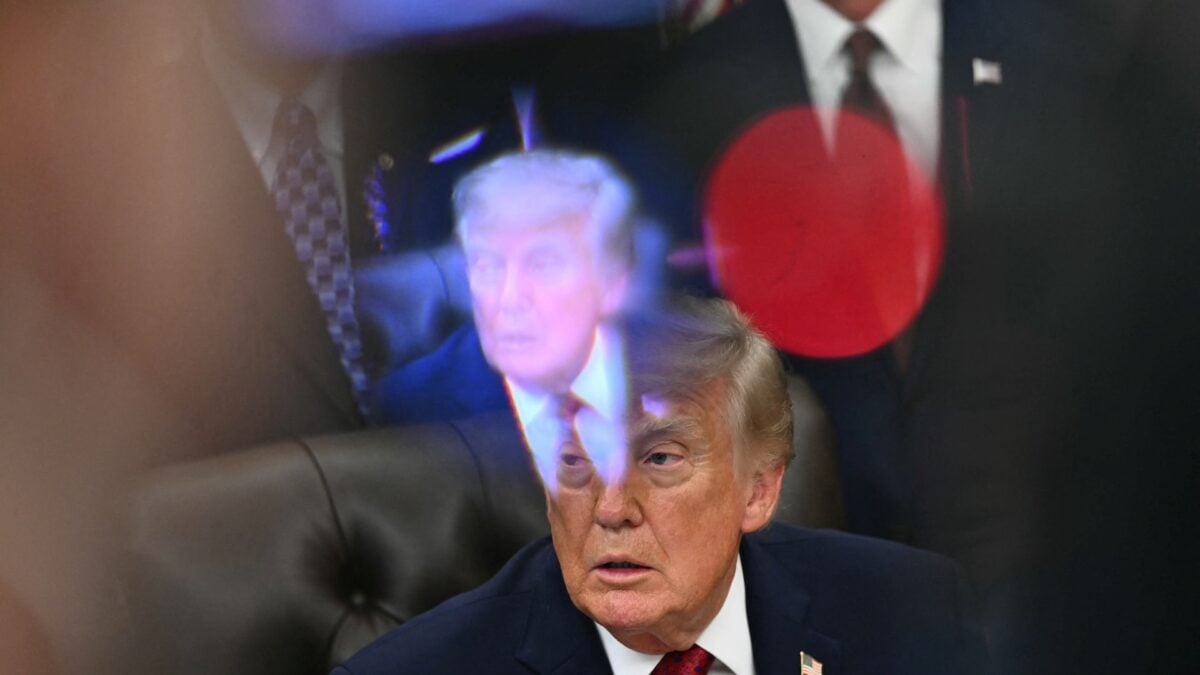
President Trump's announcement at the 81st UN General Assembly to rebrand artificial intelligence as super intelligence has become one of the most talked-about moments of the summit. The move reflects the administration's broader effort to reframe technological discourse, even as world leaders wrestle with how to manage the rapid evolution of AI systems.
What Happened
Speaking to the UN General Assembly, Trump stated the US government would henceforth use the term super intelligence in official communications, arguing that artificial undersells the technology's scope. The rebranding follows a series of high-profile renamings by the Trump administration, including the Gulf of Mexico becoming the Gulf of America and Lake Ontario rechristened as Lake America. While Trump voiced firm opposition to new AI regulations, he framed the terminology shift as a more accurate description of the technology's capabilities. The address came amid a broader session where global leaders debated the risks and governance of advanced AI, with safety advocates warning of uncontrolled superintelligence and several European nations pushing for binding international standards.
Why This Matters
The terminology shift highlights a deeper divide at the UNGA over how to govern a technology advancing faster than policy frameworks can keep pace. With AI safety experts raising alarms about existential risks and major powers the US and China resisting binding constraints, the international community remains split. European leaders, including UK Prime Minister Andy Burnham and French President Emmanuel Macron, are advocating for coordinated global principles and an open-source AI ecosystem to prevent dependency on a few dominant tech powers. Meanwhile, US-based AI giants such as OpenAI, Anthropic, and Hugging Face are participating in UN discussions, even as the administration rejects top-down regulation. The outcomes of these debates could shape AI governance, national security, and the global tech landscape for years ahead.
Key Takeaways
- The Trump administration has rebranded AI as super intelligence, signaling a philosophical shift in how the technology is framed internationally.
- Over 20 European countries have called for binding safety measures and a unified set of global AI standards to keep development controllable.
- The United States and China, the two AI superpowers, have declined to endorse binding regulations, instead pursuing strategic advantages.
- French President Emmanuel Macron has proposed building an independent, open-source AI model to reduce reliance on great-power dominance.
- UN Secretary-General António Guterres has urged a US-China dialogue on AI safety, drawing parallels to Cold War-era nuclear de-escalation efforts.
- Major AI companies including OpenAI, Anthropic, and Hugging Face are engaged in the UN policy conversation, reflecting the industry's growing role in shaping regulation.
- Prime Minister Andy Burnham of the UK is leveraging Britain's upcoming G20 host role to push for a single set of global AI principles and standards.
Conclusion
As AI capabilities expand at an unprecedented rate, Trump's decision to rename the technology may appear symbolic, but it underscores the high-stakes negotiations already underway at the UNGA. With nations divided on regulation, safety standards, and geopolitical control, the coming months will likely feature intense diplomatic effort to balance innovation with accountability. The decisions emerging from this assembly will influence everything from national security architectures to the future of work, making it crucial for policymakers, technologists, and the public to remain engaged and informed.
Discussion
Join the conversation
Thoughtful reactions, questions, and follow-up ideas help shape the next story.