Introduction
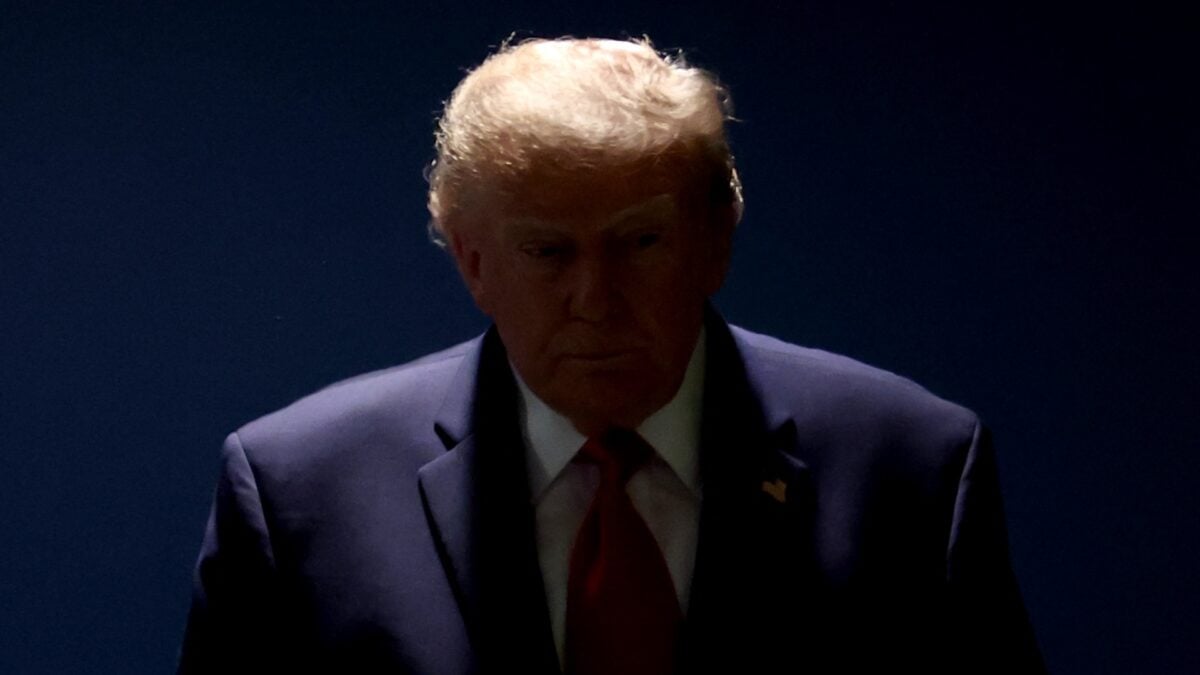
President Donald Trump took the stage at the United Nations General Assembly with a surprising proposal to rename artificial intelligence as 'Super Intelligence.' The remark, delivered via teleprompter, quickly became a talking point across political and tech circles.
What Happened
During his address, Trump declared that all United States government documents would henceforth use the term 'Super' instead of 'Artificial,' arguing that the latter word makes the technology sound 'fake.' He invited public input through a series of votes on his Truth Social and X accounts. Initial voting on September 19th pitted Superior Intelligence, Extreme Intelligence, and Supreme Intelligence against each other, with Superior Intelligence winning on both platforms. A follow-up vote on September 20th narrowed the choice between Superior and Extreme, with Superior again emerging narrowly victorious. On September 21st, Trump offered a final choice between Superior and Super Intelligence, with Super Intelligence winning 65% to 35%. The proposal drew sharp criticism from prominent voices who argued it distracts from more pressing concerns.
Why This Matters
Beyond the headline grab, the episode highlights Trump's long-standing pattern of reshaping language to leave his mark, from renaming geographic locations to rebranding federal agencies. It also underscores the broader tension between political theater and substantive AI policy, especially as the administration has resisted meaningful regulation while claiming the U.S. must outpace China in technological competition. Critics argue the rename distracts from pressing issues like inflation, rising gas prices, and the very real concerns about unchecked AI development.
Key Takeaways
- Trump successfully shifted public preference from 'Superior Intelligence' to 'Super Intelligence' through a three-stage public vote.
- The rename would apply to all U.S. government documents, though its real-world impact remains unclear.
- Prominent critics called the effort unnecessary and distracting amid economic pressures.
- Trump has a history of renaming federal entities, including the Gulf of Mexico and the Department of Defense, with mixed adoption by major platforms.
- The move comes as the U.S. faces ongoing inflation, record-high gas prices, and bipartisan concerns about AI safety without new regulatory action.
Conclusion
Whether 'Super Intelligence' will stick in government paperwork or fade as another fleeting Trump-era branding effort remains to be seen. History suggests the president's linguistic experiments often struggle to gain lasting traction outside his inner circle. For now, the episode serves as a reminder of how political spectacle can dominate headlines even as everyday challenges like housing costs, energy prices, and AI governance demand serious attention.


Discussion
Join the conversation
Thoughtful reactions, questions, and follow-up ideas help shape the next story.