
Introduction
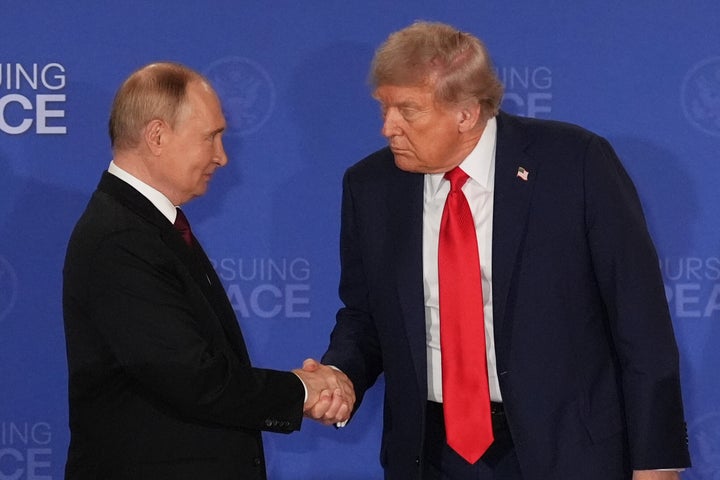
The latest agreement between former President Donald Trump and Russian leader Vladimir Putin to ease sanctions and allow Russian diesel exports has sparked intense discussion across energy markets and geopolitical circles. Beyond the headline figures, the arrangement raises deeper questions about Western cohesion and Ukraine's security posture.
What Happened
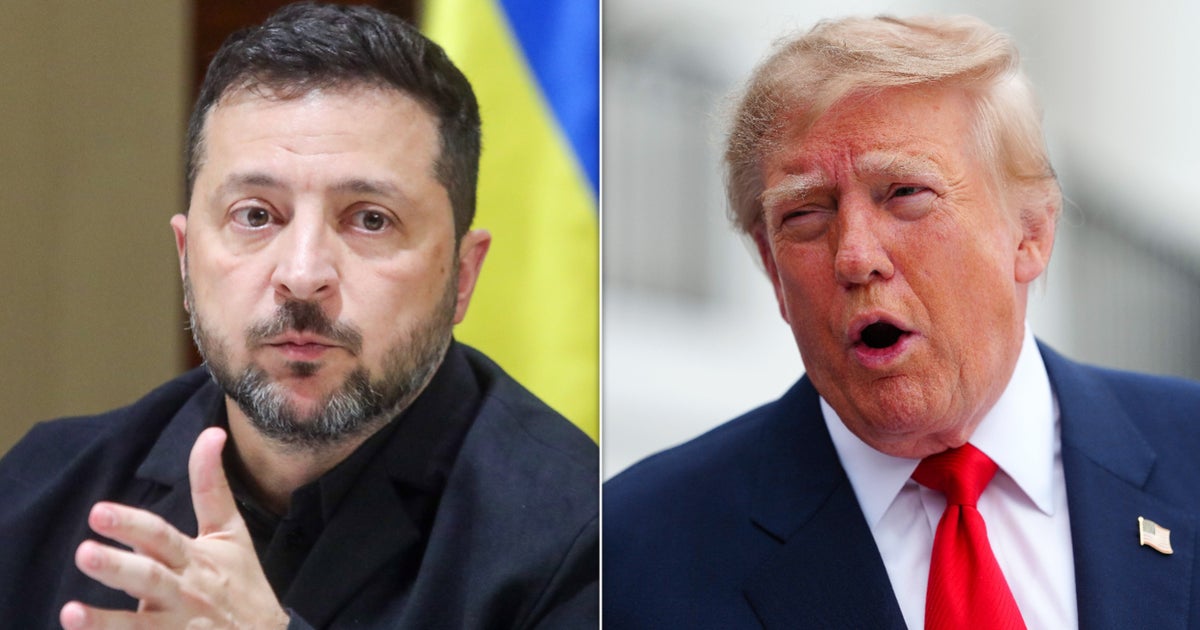
Under the arrangement, Russia pledged to deliver 4.8 million metric tons of diesel to global markets, with the first phase covering 1.8 million tons. The agreement extends through April 2027 and is projected to generate roughly $1.25 billion in export revenue over three months - equivalent to a minor fraction of Russia's federal budget. Independent analysts note the monthly budget impact falls below 0.07% of total revenues. Concurrently, the U.S. decision to restrict SpaceX's Starshield satellite service in Ukraine has constrained Kyiv's ability to monitor and intercept Russian drones and incoming ballistic missiles, prompting concerns over civilian safety and battlefield effectiveness. Ukrainian President Volodymyr Zelenskyy publicly criticized the diesel accord, arguing it strengthens only the Russian position.
- Diesel deal delivers marginal financial gain but significant political cover for Putin.
- Starlink limits hinder Ukraine's air defense and drone interception rates.
- Western unity is weakened, potentially encouraging further Russian escalation.
Why This Matters
While the diesel shipment does little to shift global energy prices or substantially fund Russia's military campaign, its real weight is political. By reducing sanctions pressure, the deal may signal to the Kremlin that continued pressure on Ukraine can yield further Western concessions without requiring reciprocal steps. Senior analysts argue the agreement undermines Western unity and emboldens Moscow's calculus. The Starlink limitations have already been linked to missed warning windows and increased drone threats against civilian infrastructure, further complicating Ukraine's defensive capabilities.
Key Takeaways
Although the agreement provides modest fuel market relief, its dominant effect is political rather than economic. The move risks emboldening Moscow, complicates Ukraine's defense posture, and highlights the fragility of transatlantic coordination as election cycles intensify. Long-term resilience will depend on reducing dependency on single-nation military support and strengthening European autonomous capabilities.
Conclusion
As winter sets in and U.S. political dynamics shift, the diesel deal and accompanying policy changes underscore the high-stakes intersection of energy, security, and diplomacy in the ongoing Ukraine conflict. Reducing reliance on unilateral U.S. military and intelligence support will be a gradual process, but the coming months will likely reveal whether this political concession fuels broader escalation or creates space for de-escalation.







Discussion
Join the conversation
Thoughtful reactions, questions, and follow-up ideas help shape the next story.