Introduction
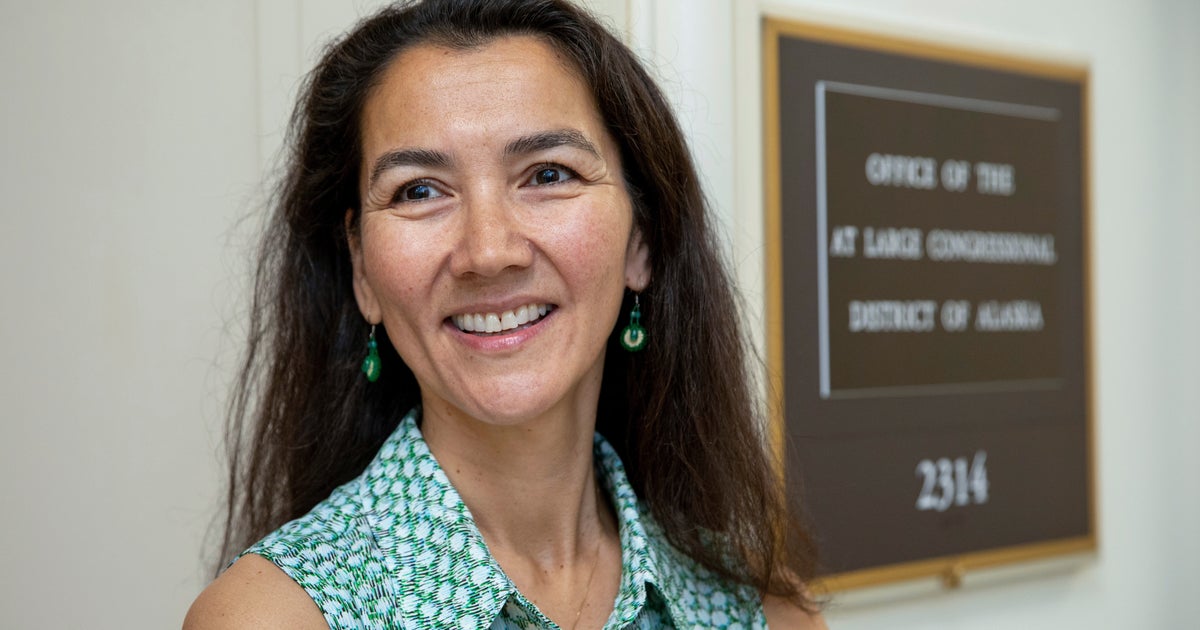
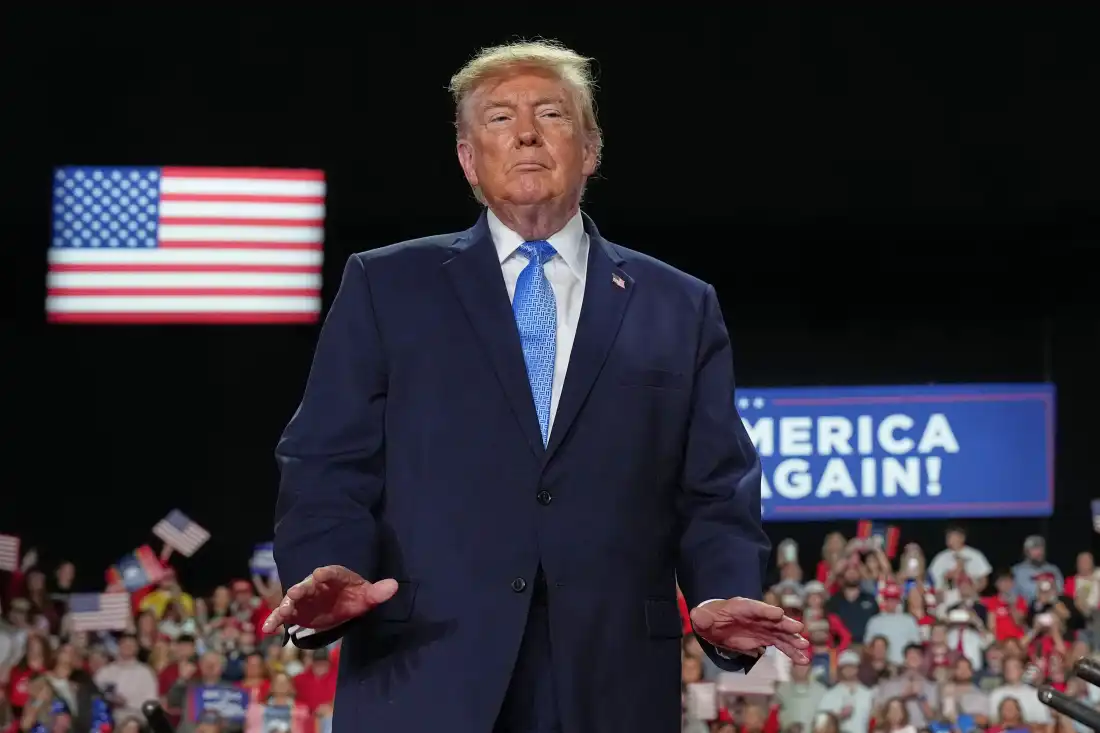
Former President Donald Trump has called for Alaska Senate candidate Mary Peltola to be removed from the ballot, alleging Democrats orchestrated a vote-splitting scheme.
What Happened
A New York Times investigation reported that Democratic operatives secretly recruited spoiler candidates, including individuals sharing the name of incumbent Senator Dan Sullivan, with the goal of diverting votes away from the GOP senator. One such candidate, retired teacher Dan J. Sullivan, announced his campaign earlier this year and told media outlets he was running on a platform of change. Peltola's campaign and the Democratic Senatorial Campaign Committee have denied any involvement in recruiting these candidates, stating they had no part in the effort.
Why This Matters
The allegations raise significant questions about election integrity, voter intent, and the limits of political strategy. While recruiting opposing candidates is not inherently illegal, the tactic of deploying spoiler candidates to influence race outcomes touches on broader concerns about fair competition and the perception of election fairness. Legal experts note that such practices exist in a gray area, and the lawsuit filed by the Trump administration highlights the high stakes involved in closely contested Senate races.
Key Takeaways
- Former President Donald Trump has called for Mary Peltola's removal from the Alaska Senate ballot, citing an alleged Democratic vote-splitting scheme.
- A New York Times report details claims that Democratic operatives recruited spoiler candidates, including people named Dan Sullivan, to dilute votes against GOP Senator Dan Sullivan.
- Peltola's campaign and the Democratic Senatorial Campaign Committee have denied any role in recruiting the candidates.
- The practice of recruiting spoiler candidates is not illegal, despite Trump's claims of election fraud.
- The Trump administration has filed a lawsuit seeking to block certification of the Alaska Senate race if the incumbent loses.
Conclusion
As the Alaska Senate race continues to develop, the intersection of political strategy, legal challenges, and voter perception will likely remain in the spotlight. Whether the allegations lead to procedural changes or further political debate, the situation underscores the intense scrutiny surrounding high-stakes federal elections and the lengths to which campaigns will go to secure an advantage.





Discussion
Join the conversation
Thoughtful reactions, questions, and follow-up ideas help shape the next story.