
Introduction
The diplomatic spotlight turned to the White House as two of the world's most powerful leaders met for a much-anticipated state dinner, using polite rhetoric to soften deepening strategic rivalries.
What Happened
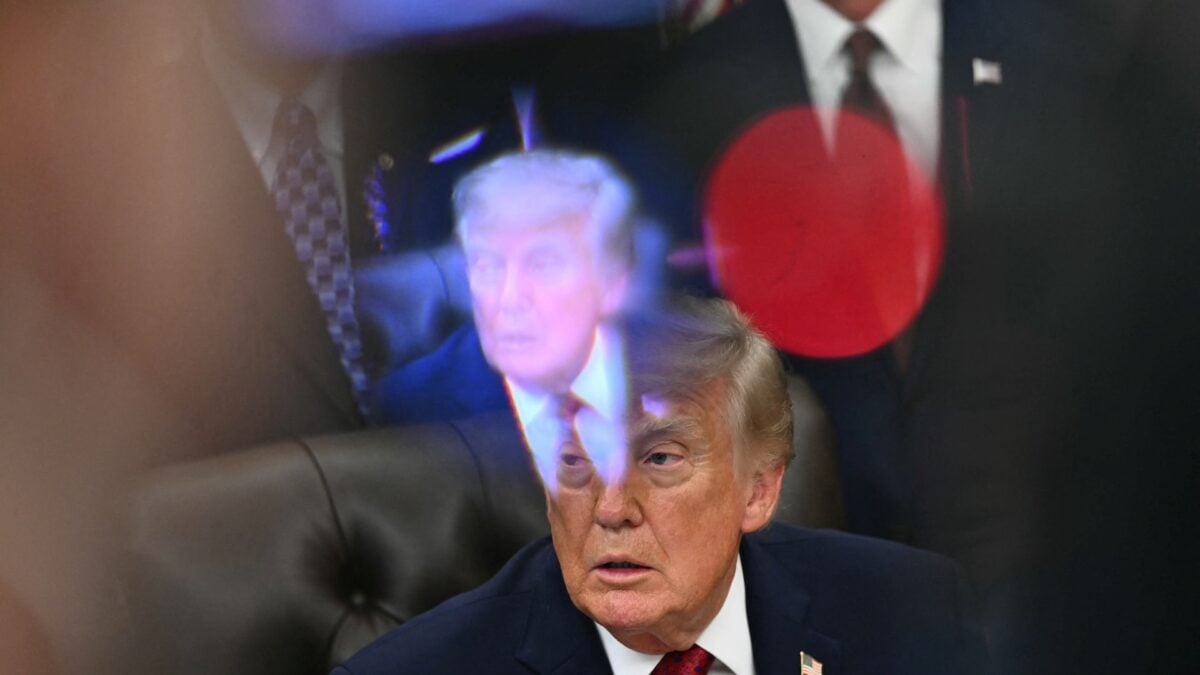
President Donald Trump and China's Xi Jinping gathered for a lavish White House state dinner, featuring toasts to harmony peace and success while behind the warm words Xi urged the U.S. to ensure AI remains under human control and acts as responsible major countries. The dinner attended by top tech executives and White House officials also saw protesters gathered outside the gates with several arrests reported. Trump praised Xi as a partner with whom the U.S. has never gotten along better even as a paused 14 billion arms package for Taiwan lingered in the background.
Why This Matters
Beyond the ceremonial handshakes and red carpet treatment the meeting underscores the fragile state of U.S.-China relations at a time when competition spans AI development trade policy and regional security. With both nations vying for technological and economic dominance the lack of concrete breakthroughs at the dinner signals that diplomatic channels remain fraught and symbolic gestures may not be enough to ease mounting tensions.
Key Takeaways
- Trump and Xi exchanged warm words but avoided signing any new agreements on trade or technology.
- Xi reiterated that AI must remain under human control and called for major powers to act responsibly.
- Trump postponed a 14 billion weapons sale to Taiwan citing it as a negotiating chip in talks with Beijing.
- Protesters outside the White House voiced opposition resulting in multiple arrests.
- Key tech figures including Apple's Tim Cook and Nvidia's Jensen Huang were present highlighting the intersection of business and geopolitics.
- The dinner menu and setting were deliberately symbolic blending American and Chinese cultural elements.
Conclusion
As the diplomatic visit concludes the image of Trump and Xi smiling together at the state dinner contrasts with the unresolved issues that continue to define the world's two largest economies. Observers will be watching whether future talks translate these polite exchanges into tangible policy shifts or whether the status quo of competition and caution persists.

Discussion
Join the conversation
Thoughtful reactions, questions, and follow-up ideas help shape the next story.