Introduction
Recent diplomatic and military developments have reignited attention on the U.S. stance toward Iran's nuclear program as the country approaches key electoral contests. Officials have indicated that the administration is prepared to maintain a flexible but firm posture regarding potential action.
What Happened
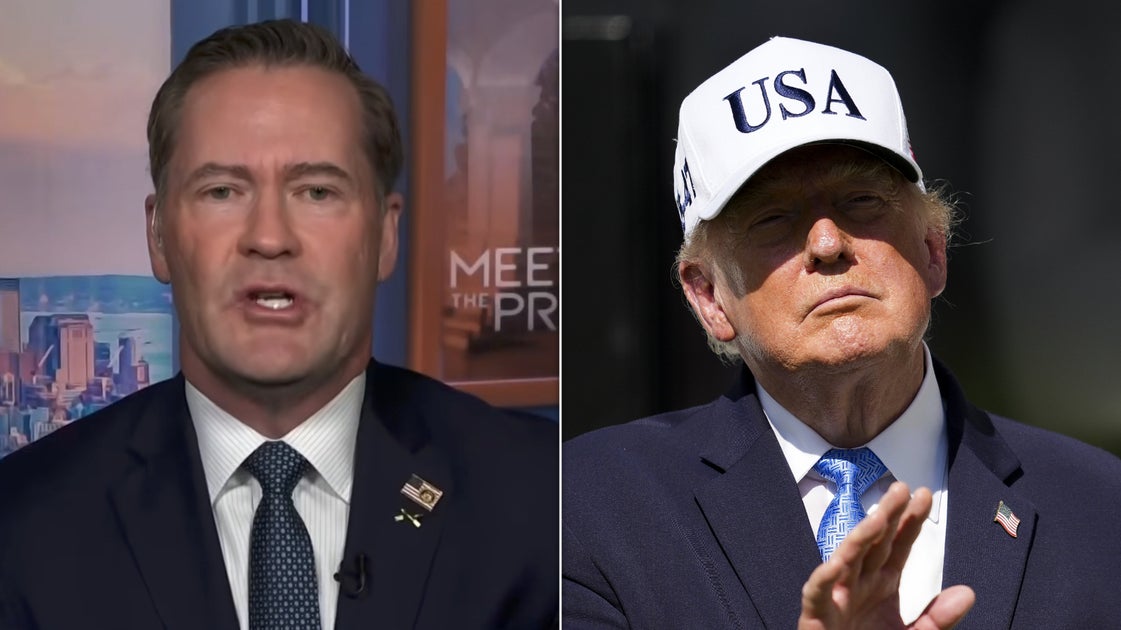
During a televised interview, U.S. Ambassador to the United Nations Mike Waltz stated that President Donald Trump will keep all military options on the table concerning Iran, particularly after the November midterms. This follows reporting that the president rejected Iran's conditional proposal to reopen the Strait of Hormuz and indicated he expects to resume military campaigns once the election cycle concludes. Trump later confirmed the rejection of Iran's latest diplomatic overture.
Waltz emphasized that the decision is driven by security concerns rather than political timing, noting the president's goal is to prevent Iran from acquiring a nuclear weapon or developing a layered defense of drones and missiles that could enable a rapid breakout at underground facilities.
Why This Matters
The prospect of renewed military action comes as Iran recently offered to reopen the Strait of Hormuz and restart nuclear talks, contingent on the United States lifting its naval blockade of Iranian ports and waiving sanctions on oil exports. However, Waltz pointed out that despite significant setbacks to Iran's enrichment infrastructure, the country has moved and dispersed highly enriched uranium, raising questions about the nature of its program.
Analysts warn that any escalation could further destabilize the region, especially if diplomatic channels remain constrained by existing sanctions and naval restrictions. The midterm election timeline adds another layer of complexity, as political calculations may influence the timing and public framing of any future decisions.
Key Takeaways
- Mike Waltz confirmed the Trump administration maintains a policy of keeping all military options open regarding Iran.
- The reported decision to reject Iran's overtures hinges on sanctions relief and naval blockade removal, which the U.S. has not signaled willingness to grant.
- Even after extensive damage to Iran's enrichment facilities, the dispersal of highly enriched uranium suggests the program persists in some form.
- Midterm elections may shape the political feasibility of any future military decisions, though officials frame the stance as security-driven rather than election-driven.
- Regional dynamics, including Hormuz Strait access and drone-missile capabilities, remain central to any calculus of force.
Conclusion
As the midterms approach, the rhetoric around Iran's nuclear ambitions and potential U.S. responses will likely intensify. Whether diplomatic concessions can alter the trajectory of military planning remains to be seen, but the current posture makes clear that the administration views the issue as a persistent national security priority regardless of political timing.

Discussion
Join the conversation
Thoughtful reactions, questions, and follow-up ideas help shape the next story.