
Introduction
Ukraine launched a large-scale drone assault on Russian territory overnight Sunday, targeting critical infrastructure in St. Petersburg and triggering widespread fires, casualties, and power disruptions across the city.
What Happened
The assault struck a major oil terminal and a data center in St. Petersburg, causing explosions, structural damage, and fires that emergency crews are actively containing. One person was killed and five others were injured, according to St. Petersburg Governor Alexander Beglov, who reported damage to residential buildings and warehouses in the Kolpinsky District. In the broader Leningrad region, Governor Alexander Drozdenko confirmed that two electrical substations were hit, leaving approximately 20,000 residents without electricity early Sunday. Russian state media characterized the barrage as one of the largest drone attacks of the year.
Why This Matters
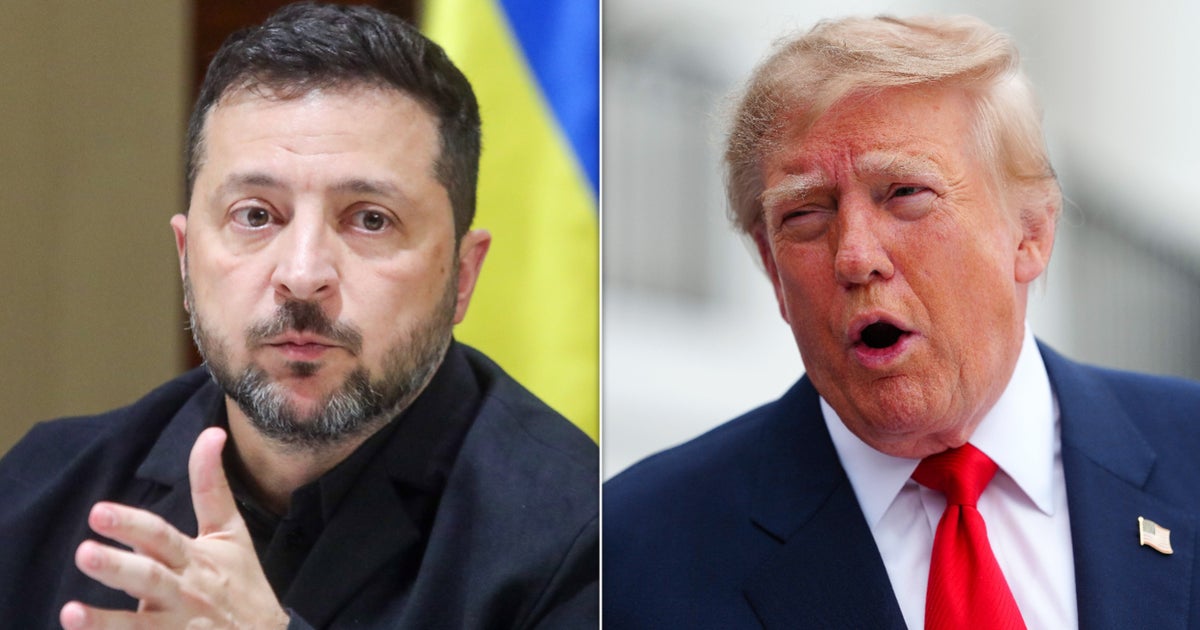
The strike escalates an already volatile energy war between Russia and Ukraine, coming just days after both sides agreed to a temporary ceasefire on energy facilities that quickly unraveled. Ukrainian President Volodymyr Zelensky accused Russia of violating the agreement by continuing attacks on Ukrainian power grids, while Russian officials point to the St. Petersburg assault as evidence of ongoing aggression. The attack also coincides with former U.S. President Donald Trump's recent diplomatic push to broker a halt in energy-targeting, though the latest exchange suggests the ceasefire remains fragile. With fuel markets already sensitive to the conflict, the renewed infrastructure hits could influence global energy prices and deepen the humanitarian toll on civilians.
Key Takeaways
- At least one person killed and five injured in the St. Petersburg drone assault.
- Governor Beglov confirmed fires at the oil terminal, Ruchyi oil depot, and industrial warehouses in Kolpinsky District.
- Approximately 20,000 Leningrad region residents lost power after two substations were targeted.
- The attack follows Ukraine's decision to resume strikes on Russian oil refineries after a brief ceasefire pause.
- Russian state media labeled the barrage one of the biggest drone attacks of the year, while Kyiv accuses Moscow of breaching the energy truce.
- The escalation risks further fuel price volatility and deepens the humanitarian impact on civilians across both fronts.
Conclusion
As the Russia-Ukraine conflict intensifies its focus on energy infrastructure, the latest St. Petersburg strike underscores the fragility of recent ceasefire efforts and the growing civilian cost of the war. With both sides trading accusations of violations and no immediate diplomatic breakthrough in sight, the situation remains volatile, and further disruptions to power and fuel supplies are likely in the coming days.







Discussion
Join the conversation
Thoughtful reactions, questions, and follow-up ideas help shape the next story.