Introduction
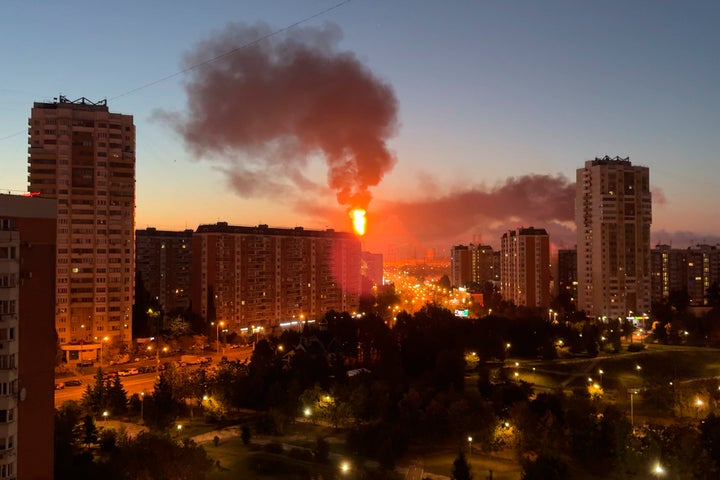
Ukraine launched a massive drone offensive against Russia overnight, firing more than a thousand unmanned vehicles in what officials described as the largest such assault on Moscow to date. The strike targeted critical infrastructure and the capital itself, marking a significant escalation in the ongoing conflict.
What Happened
The attack unfolded during the final day of Russia's parliamentary elections, with Ukrainian forces employing domestically produced Flamingo and Pelican missiles alongside attack drones to strike oil facilities and logistics hubs. Moscow's mayor reported damage to the city's oil refinery and a residential building from the barrage. Across the Moscow region, two people were killed and at least 20 were injured, including a 74-year-old man and a 44-year-old woman. Ukrainian President Volodymyr Zelenskyy confirmed the operation, stating the strikes aimed to pressure Russia's economy and make the war's cost felt domestically.
Russian officials reported intercepting 1,110 incoming drones, including 450 headed toward the capital. Moscow Mayor Sergei Sobyanin said 450 drones were destroyed en route, and the assault was intended to disrupt the election proceedings. Despite the intensity, authorities said the enemy failed to derail the vote.
Why This Matters
The timing of the drone strike—on the last day of an election already criticized for lacking genuine opposition and held partly in Ukrainian territories illegally annexed by Russia—underscores Kyiv's strategy to amplify the war's domestic impact. By hitting inside Russia, Ukraine seeks to pressure the Kremlin and signal that no region is beyond reach. The attack also highlights how drone technology has become central to the conflict, enabling both sides to target deep behind front lines when traditional maneuver has stalled.
Russia's Ministry of Defense claimed to have shot down most of the incoming fleet, but the incident reveals the growing reach of unmanned systems and their role in shaping the political and economic calculus of the war.
Key Takeaways
- Over 1,000 Ukrainian drones were launched in the overnight assault, the largest such barrage reported to date.
- Moscow's mayor called it the largest ever drone attack on the capital, with damage confirmed at the Moscow Oil Refinery.
- Two people were killed and at least 20 injuries were reported across the Moscow region.
- Ukraine used domestically built Flamingo and Pelican missiles to target oil and logistics facilities.
- Russia claimed to have intercepted 1,110 drones, including 450 bound for Moscow.
- The strike occurred on the final day of Russia's parliamentary election, held in four illegally annexed Ukrainian regions and Crimea.
- Kyiv's drone program continues to expand, aiming to erode Russia's economic and military resilience.
Conclusion
This overnight barrage represents a major escalation in the technological arms race between Ukraine and Russia, demonstrating how unmanned systems have become a primary means of extending the battlefield. As both sides adapt, the strike's timing during an election period signals Kyiv's intent to maximize political pressure. Whether this will alter the conflict's trajectory remains to be seen, but the attack makes clear that the reach of the war now extends well beyond the front lines.
Discussion
Join the conversation
Thoughtful reactions, questions, and follow-up ideas help shape the next story.