Introduction
US officials are closely monitoring a developing health situation in Russia after a young laboratory technician died at a high-security plague research centre in Siberia. The case has sparked international attention amid concerns about possible pneumonic plague transmission.
What Happened
Russian authorities confirmed the death of a lab worker in Irkutsk, whose cause of death was listed as pneumonia of undetermined etiology. Initial tests found no disease-linked micro-organisms in her biological samples.
Unconfirmed reports suggest she may have fallen ill after breaking a test tube containing plague pathogen or after visiting a plague-endemic region with wild rodents.
Officials from Russia's consumer health watchdog, Rospotrebnadzor, said no additional cases have emerged among staff at the Anti-Plague Institute of Siberia and the Far East. Approximately 200 people who had contact with the deceased are under medical observation as a precaution. US Secretary of State Marco Rubio stated the US is watching and monitoring it closely, while President Donald Trump said the US would offer help if needed.
Why This Matters
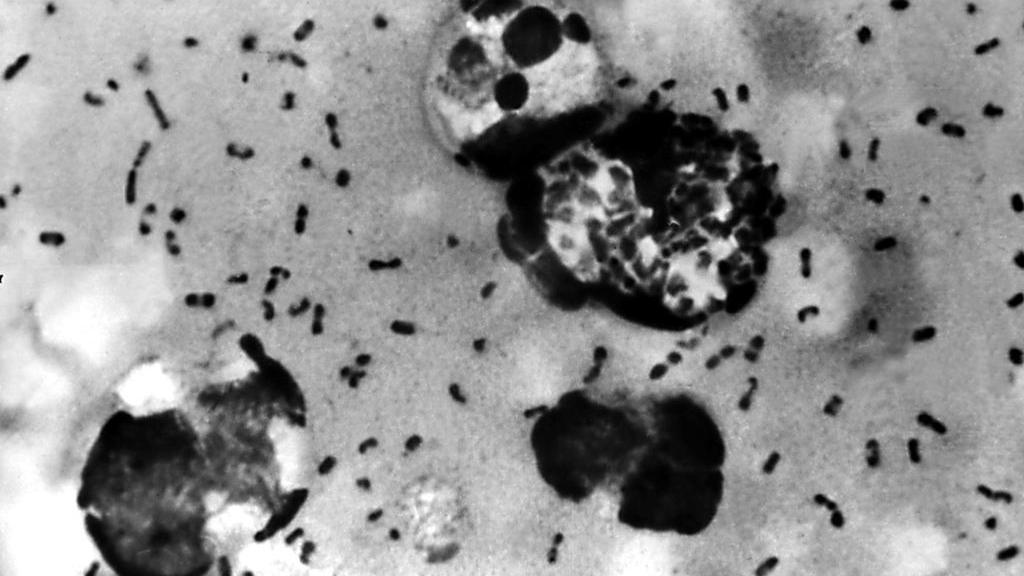
The deceased worked at the Anti-Plague Institute, established over a century ago in response to a 1920s outbreak. The bacterium Yersinia pestis, which causes plague, remains present in rodent populations across Siberia and Mongolia. Health experts note that while bubonic plague is well-known, the pneumonic form can spread between humans and is nearly fatal without antibiotics, though treatable with modern medicine.
Kremlin officials have urged the public to rely on official statements rather than rumours, and no broader outbreak has been reported. The incident highlights ongoing global vigilance regarding infectious disease risks in laboratory and natural settings.
Key Takeaways
- No new plague cases have been reported among institute staff since the technician's death.
- Health authorities are monitoring nearly 200 contacts as a precaution.
- US officials say the situation is being watched closely but does not currently warrant alarm.
- Pneumonic plague, though serious, is treatable with antibiotics and does not typically lead to widespread lockdown measures.
- The case underscores the continued presence of plague in certain regions and the importance of biosafety protocols.
Conclusion
Health officials on both sides are maintaining vigilance while stressing that the risk of a wider outbreak remains low. The situation will likely be monitored in the coming days as more test results become available. For now, the focus remains on containment, transparency, and preparedness rather than large-scale intervention.


Discussion
Join the conversation
Thoughtful reactions, questions, and follow-up ideas help shape the next story.