Introduction
High-level diplomatic engagement between the United States and Russia has turned toward energy with senior envoys exploring the possibility of reviving gas flows to Europe through the Nord Stream network. The discussions come as both sides weigh economic interests against geopolitical tensions sparked by the ongoing war in Ukraine.
What Happened
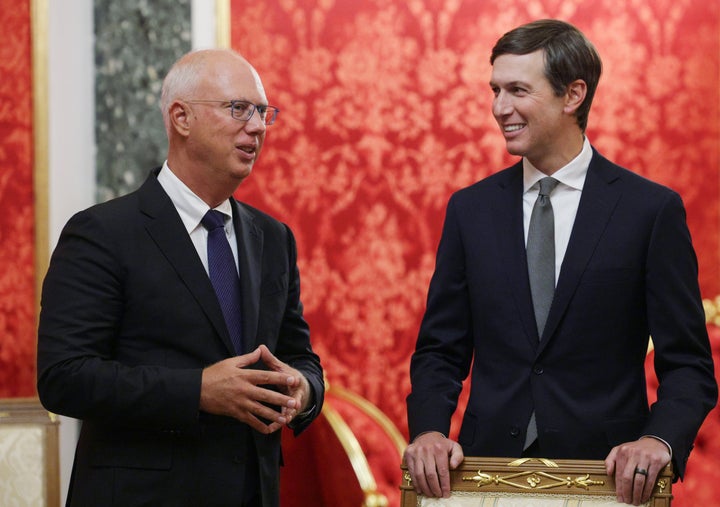
U.S. Special Envoy Jared Kushner and Russian Presidential Envoy Kirill Dmitriev have held multiple meetings to assess interest in bringing a U.S. investor into the Nord Stream pipeline system which previously delivered Russian gas to Germany. The talks also touched on a potential deal involving Russian energy giant Lukoil's European assets with the U.S. Development Finance Corporation and Gulf investors reportedly eyeing a purchase. While Kushner frames the outreach as part of a broader peace and prosperity strategy the proposals face steep opposition across Europe.
Key obstacles include U.S. and EU sanctions on the pipelines German firm stance against reopening Nord Stream and resistance from Eastern European nations particularly vulnerable to Russian energy leverage. Dmitriev is also scheduled to meet far-right AfD leaders early next year to discuss Russian gas sales further polarizing the issue within Germany.
Why This Matters
Any agreement to restart Russian gas flows would reshape Europes energy landscape and risk undermining support for Ukraine. Germany having invested billions in diversifying away from Russian supplies strongly opposes any pipeline revival as do Poland and the Baltic states. Meanwhile U.S. officials warn that any deal must clear rigorous sanctions review and must ultimately benefit American taxpayers and companies or it will not move forward.
- Sanctions hurdle: Both U.S. and EU sanctions currently block any Nord Stream reactivation.
- European resistance: Germany and Eastern allies reject the move citing security and energy independence concerns.
- Political divide: While the AfD pushes for gas resumption mainstream German parties and much of Europe remain opposed.
Key Takeaways
The revived U.S.-Russia energy dialogue signals a willingness to use gas as a diplomatic tool but significant legal political and public-opposition barriers remain. A deal appears unlikely in the near term without major policy shifts especially if U.S. sanctions stay intact and European allies maintain their unified stance.
Conclusion
Energy continues to be a powerful lever in U.S.-Russia relations and the current talks highlight how deeply intertwined economics and conflict have come. Whether these discussions translate into concrete agreements remains uncertain but the outcome will likely influence European energy security and the broader trajectory of the Ukraine war for years to come.



Discussion
Join the conversation
Thoughtful reactions, questions, and follow-up ideas help shape the next story.