Introduction
The White House recently convened major AI companies under a new accord promising independent oversight of AI safeguards. The goal is to shift from self-evaluation to third-party assessment. However, the agreement stops short of defining what independence means, who qualifies, or how conflicts of interest should be handled—creating uncertainty for regulators and businesses relying on the results.
What Happened
On September 29, the White House released an AI accord urging developers to monitor risks, establish internal controls, and engage outside auditors. The framework calls for independent evaluations but omits the standards needed to ensure those evaluations are rigorous, objective, or comparable. Without defined criteria, two assessors could produce widely different results for the same system, leaving stakeholders unsure how much confidence to place in the findings.
Why This Matters
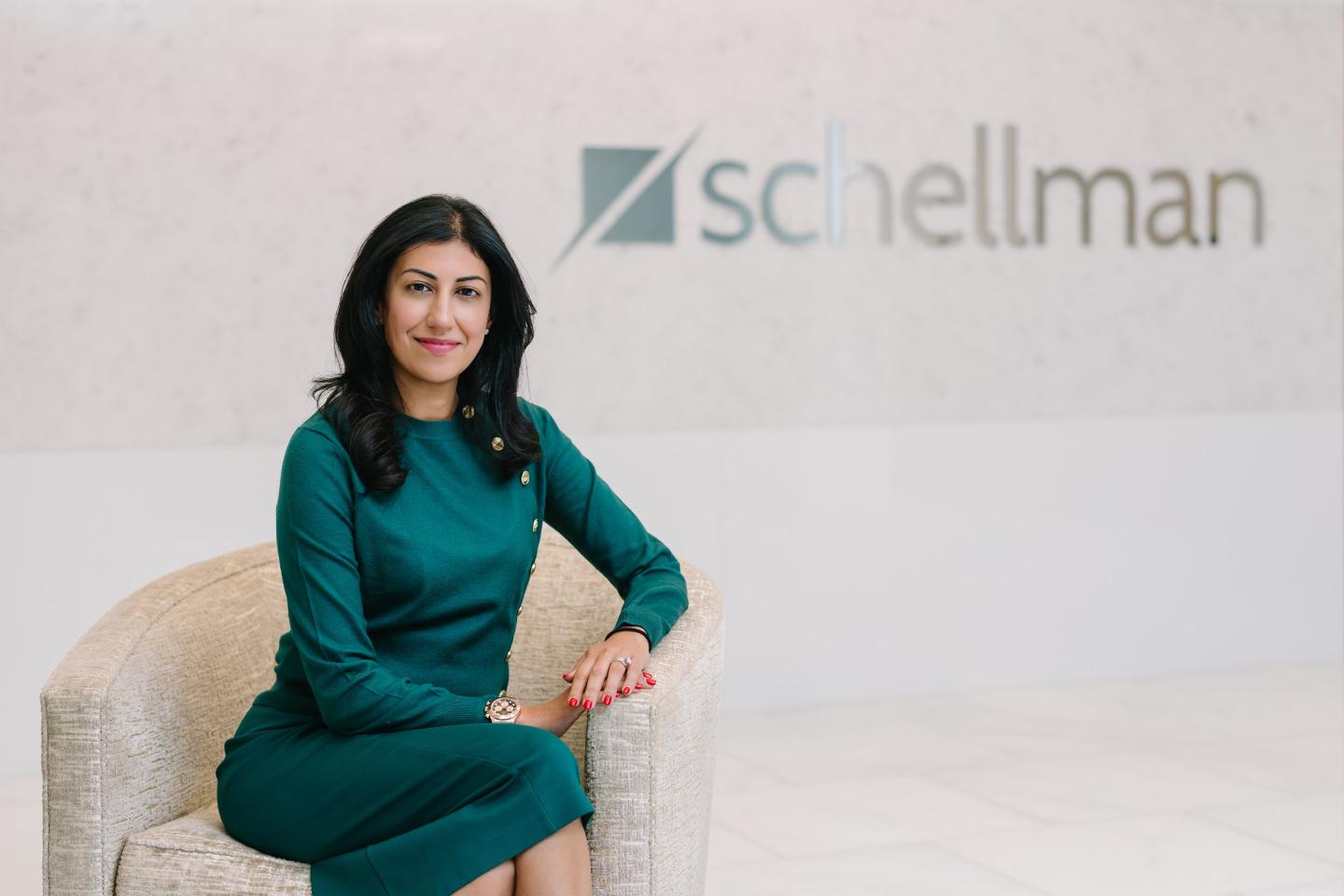
Independent oversight only carries weight when it is truly credible. The Schellman CEO highlights that independence isn’t a declaration—it must be demonstrated through scope, expertise, and freedom from conflicts. If an evaluator helped design the controls they’re reviewing, or if their scope excludes major risks, the report may mislead purchasers and regulators. Clear standards on assessor qualifications, conflict-disclosure, and quality oversight are essential for AI assurance to translate into real-world trust.
Key Takeaways
- The accord’s lack of definitional standards creates implementation gaps that affect real-world AI risk management.
- Independence must be proven through disclosed relationships, accredited methods, and transparent scope.
- Assessors need both technical expertise in model behavior and experience evaluating governance and internal controls.
- Reports should clearly communicate their limitations, material findings, and what was excluded from evaluation.
- Smaller developers require practical, affordable assurance paths so the market isn’t confined to large technology firms.
Conclusion
The White House has taken a meaningful step by centering independent oversight in its AI safety commitments. For that oversight to deliver real value, the industry needs concrete standards for who can assess AI systems, how independence is verified, and what accountability follows when standards fall short. Without those expectations, assessments may occur but lack the credibility needed as AI systems assume greater responsibility.



Discussion
Join the conversation
Thoughtful reactions, questions, and follow-up ideas help shape the next story.