Introduction
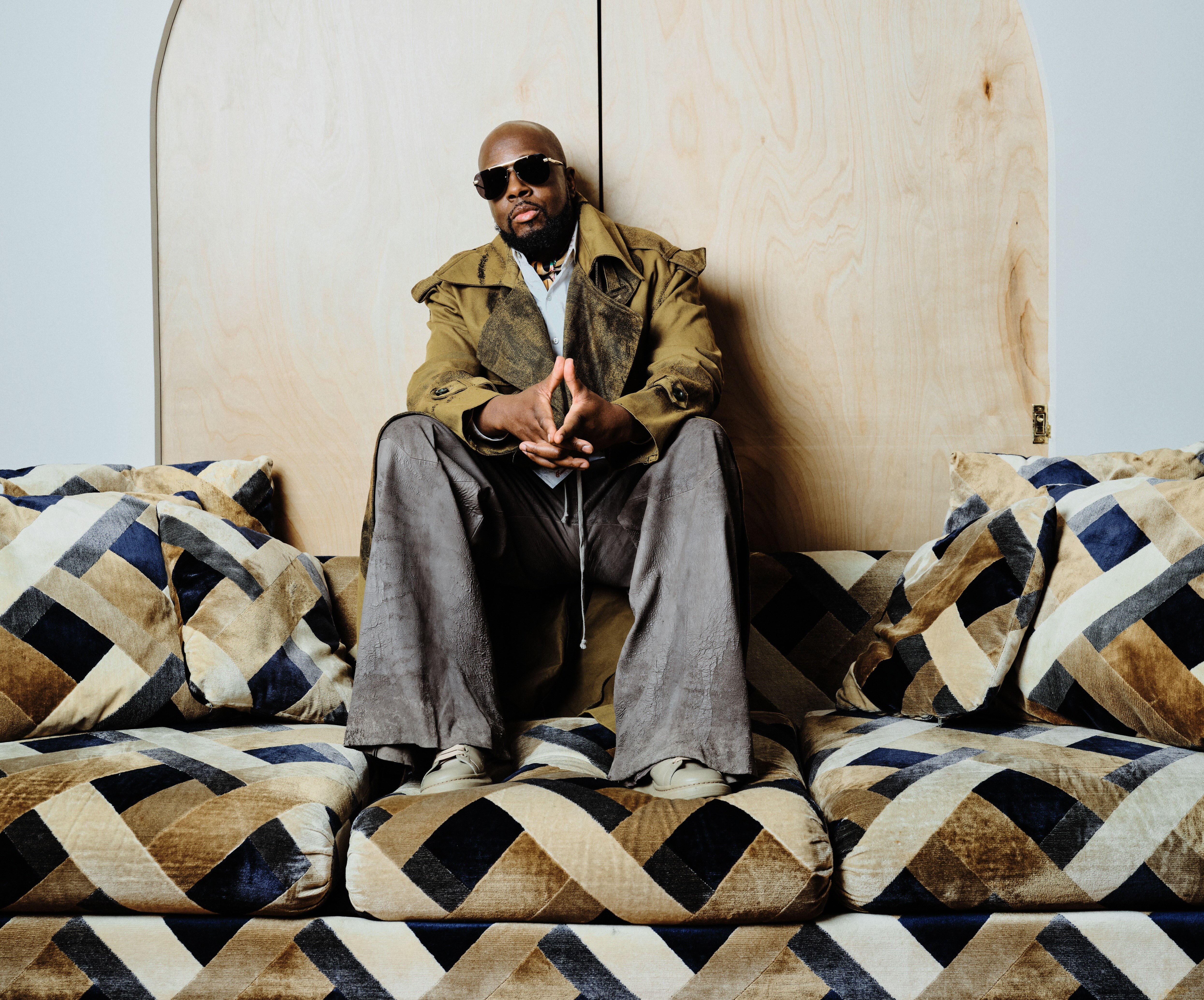
Wyclef Jean describes his creative process as gumbo, a term he uses as a verb for melding genres, cultures, and influences into something fresh. At 57, the three-time Grammy winner and Fugees co-founder is far from finished. Behind a legacy of multiplatinum hits and collaborations with artists from Whitney Houston to Carlos Santana, he is chasing what he calls a second wind. Between tech ventures, television scoring, and a planned seven-album cycle, Jean explains how curiosity, faith, and a preacher's-kid upbringing keep him moving forward.
What Happened
Born in Croix-des-Bouquets, Haiti, Jean moved to Brooklyn at age nine after his parents secured visas to join family already in the United States. He grew up in the Marlboro Houses projects and later New Jersey, where his father insisted that opportunity was everywhere for those willing to pursue it. A set of toy instruments led to a childhood band dubbed the Haitian American Partridge Family, and by sixteen Jean was playing more than a dozen instruments.
Those early roots fed into the Fugees, the group he formed with Lauryn Hill and Pras Michel. Their landmark album The Score pushed against the dominant narratives of 1990s hip-hop and offered what Jean calls a creative alternative for his generation. As a producer and songwriter, he has since worked with Shakira, Whitney Houston, Mary J. Blige, Destiny's Child, Lil Wayne, Bono, and Mick Jagger.
Jean's current chapter is just as active. He has reunited onstage with Hill, performed at Blue Note Jazz Club locations in New York and Los Angeles, and collaborated with newer artists such as G Herbo and Flau'jae. He is also building OpenWav, a streaming platform launched in 2025 with venture capitalist Jaeson Ma that lets artists retain ownership of their music while selling merchandise and tickets. Separately, he has experimented with Google DeepMind's Music AI Sandbox and runs SodoMood Lab, which produced Paper Right for TIAA and contributed music to Showtime's The Chi.
Philanthropy remains central. Jean founded Yéle Haiti in 2001 and supported recovery efforts after the 2010 earthquake. He is an ambassador for Global Citizen and recently received the 2026 Impact Award from the Playing For Change Foundation. On the day of his interview, he was preparing for a Miami performance with the Nu Deco Ensemble, where he encouraged hundreds of students to believe in themselves.
Why This Matters
Jean's story matters because it offers a blueprint for longevity in an industry that often discards talent. Rather than treating artificial intelligence as a replacement for human creativity, he urges musicians to stay in control and remember that the artist, not the algorithm, should lead. Through OpenWav, he is pushing for a model where creators—not platforms—own their audience relationships and revenue streams.
His commitment to music education also carries weight. Having benefited from a high school teacher who recognized his talent, Jean now funds programs that give young people the same chance. Whether he is speaking to students in Miami or advising artists on business ownership, his message is consistent: curiosity and self-belief can sustain a career across decades.
Key Takeaways
- Jean calls his genre-blending approach gumbo, rooted in his Haitian American identity.
- He co-founded the Fugees and helped produce The Score, an album that reshaped 1990s hip-hop.
- His production credits include hits for Shakira, Carlos Santana, Whitney Houston, Mary J. Blige, and many others.
- OpenWav, launched in 2025, allows artists to keep full ownership of their work and monetize music, merchandise, and ticketing.
- Jean encourages creators to master AI rather than be mastered by it.
- His seven-album project, Quantum Leap, will explore hip-hop, jazz, gospel, reggae, and Caribbean sounds.
- Through Yéle Haiti and Global Citizen, he continues to support Haitian youth and global anti-poverty efforts.
- Jean defines success as running your own race at your own pace, without measuring yourself against others.
Conclusion
For Wyclef Jean, the current season of life comes down to family, happiness, and spirituality. He is already thinking beyond music, considering a venue concept tied to The Carnival, which marks its 30th anniversary in 2027. The idea would blend live music, food, and culture into one immersive experience—another variation on the gumbo that has defined his career.
After more than three decades in the spotlight, Jean remains a student and a fan. His advice to other artists is simple: do not stand behind the door looking through it. Be the person inside the room. As long as curiosity keeps him there, it seems unlikely he will leave anytime soon.
Images courtesy of Stephanie Diani
Discussion
Join the conversation
Thoughtful reactions, questions, and follow-up ideas help shape the next story.