
Introduction
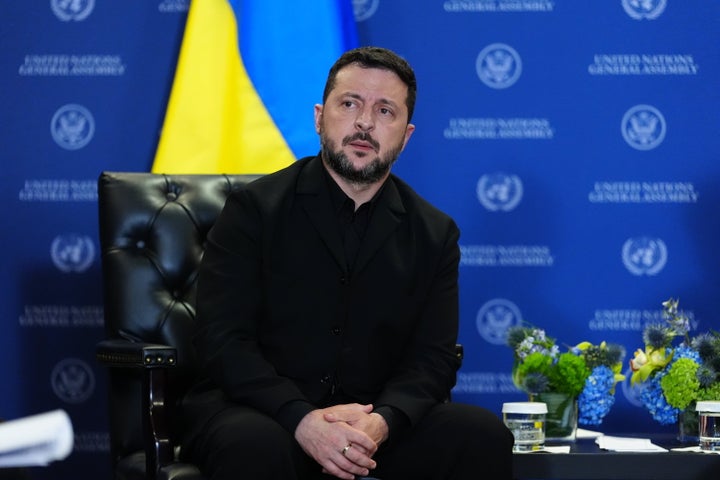
Ukrainian President Volodymyr Zelensky has intensified a public pressure campaign against former President Donald Trump, seeking to alter U.S. policy on Russia as Moscow's attacks persist. The effort pits Kyiv's survival stakes against Trump's evolving stance, with key Republican lawmakers split on how to respond.
What Happened
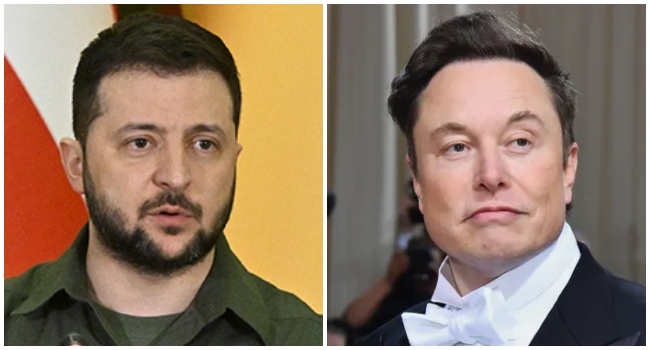
Zelensky is coordinating with allies in Congress to publicly pressure Trump, arguing continued Russian aggression demands a harder line. In response, Trump has escalated his criticism of Zelensky, repeatedly calling him an obstacle to peace and suggesting Ukraine should hold elections. Some GOP members, including Rep. Michael McCaul, have warned Zelensky against confronting Trump directly, while others like Reps. Brian Fitzpatrick and Don Bacon may oppose the president's agenda if he doesn't change course. The dispute also extends to satellite technology, as Zelensky has accused the U.S. government of restricting access to Starlink and Starshield services, which Trump and Elon Musk deny. Meanwhile, Russia has intensified missile and drone strikes across Ukraine, including a deadly attack in the Kharkiv region that killed a toddler and her mother. Ukraine has responded with strikes on Russian oil infrastructure, citing reciprocal action.
Why This Matters
The pressure campaign reveals a widening split within the Republican party over Ukraine policy, with significant consequences for Kyiv's survival. Analysts warn that if Trump perceives Zelensky as uncooperative, U.S. aid and diplomatic backing could diminish, especially as key GOP figures remain divided. Secretary of State Marco Rubio has emphasized that Russia's demand for Donetsk territory is a central obstacle, a line Ukraine refuses to cross. The situation demonstrates how personal dynamics between world leaders and internal U.S. politics can directly shape the war's trajectory, raising risks of both increased pressure and potential withdrawal of support.
Key Takeaways
- Zelensky's public pressure campaign aims to realign Trump's Russia policy.
- GOP lawmakers are divided, with some cautioning against confrontation and others threatening to withhold support.
- Russian strikes continue to target civilian infrastructure, prompting Ukrainian counter-strikes.
- Disputes over satellite communications like Starlink add a new layer to U.S.-Ukraine relations.
- The core territorial dispute over Donetsk remains the central obstacle to any peace deal.
- Long-term U.S. commitment to Ukraine may depend on how the Trump-Zelensky dynamic evolves.
Conclusion
As the pressure campaign unfolds, the stakes for Ukraine, the United States, and Europe remain exceptionally high. Zelensky's strategy gambles that sustained public and congressional pressure will force a policy shift, but the risk of reduced U.S. support looms large. Observers will be watching closely to see whether Trump modifies his approach or whether the rift deepens, potentially reshaping the entire framework of the ongoing war.





Discussion
Join the conversation
Thoughtful reactions, questions, and follow-up ideas help shape the next story.