Introduction
The 2026 congressional primary season has concluded as one of the most disruptive in recent memory, driven by a wave of retirements, resignations, and hard-fought incumbent defeats.
What Happened
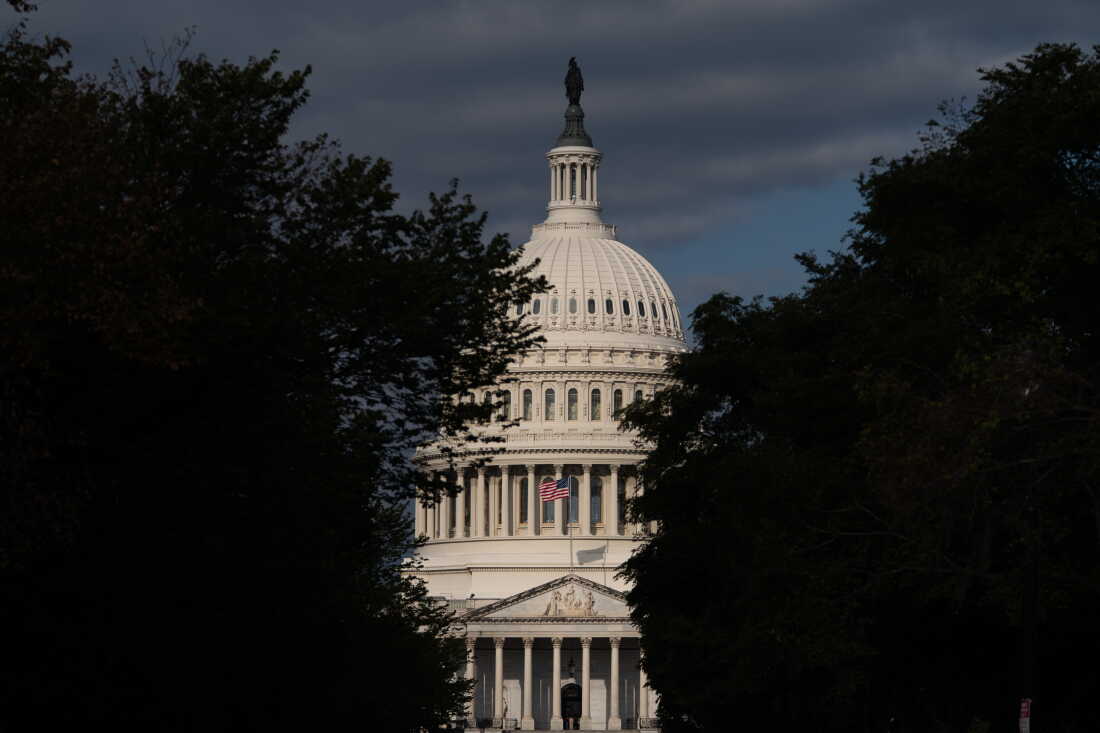
An historic number of lawmakers will exit Capitol Hill before the next session, with nearly one in five members of the 119th Congress not returning. Tracking data shows 99 seats - 83 in the House and 16 in the Senate - are slated to welcome new representatives in 2026. The cycle recorded 13 Senate and 60 House retirements or moves to other office, 13 incumbent primary losses, and 16 deaths or resignations, including six sitting members who passed away or stepped down. High-profile races across Texas, New York, Michigan, and Tennessee saw established members unseated, often by Trump-backed challengers or redistricting-driven map changes.
- Six sitting members died during the session, including Democratic Reps. Sylvester Turner, Raúl Grijalva, Gerry Connolly, and David Scott, along with Republican Rep. Doug LaMalfa and Sen. Lindsey Graham.
- Thirteen incumbents lost their primaries, with several defeated by Trump-endorsed opponents or in the wake of court-ordered redistricting.
- Notable upsets included Texas Rep. Dan Crenshaw, New York Reps. Adriano Espaillat and Dan Goldman, and Michigan Rep. Shri Thanedar, all falling to challengers in competitive primaries.
- Redistricting in Louisiana and Tennessee reshaped district lines, toppling incumbents and opening new battlegrounds for the general election.
Why This Matters
The breadth of departures and defeats signals a pivotal moment for the 2026 midterms and beyond. With almost two-thirds of the Senate and 44% of the House already serving since the start of the Trump administration, this cycle's turnover could alter committee leadership and legislative priorities. Only the 1992 election cycle has seen more retirements and open-seat races in recent history, making this period historically significant. The results also reflect voter sentiment toward generational change, redistricting effects, and the enduring impact of former President Trump's endorsement network on primary outcomes.
Key Takeaways
- Nearly 20% of the 119th Congress will not return, marking one of the highest departure rates in recent election history.
- Redistricting and Trump-backed primary challenges were decisive factors in multiple incumbent losses across both chambers.
- Both major parties experienced significant retirements, but Republicans led in departures and resignations during this cycle.
- Several Democratic committee chairs and long-serving members were defeated by younger or progressive challengers.
- The November general election will determine whether this wave of openings translates into lasting shifts in congressional power.
Conclusion
As the 2026 general election approaches, the ripple effects of this historic primary season will shape campaign strategies, party dynamics, and the balance of power in Congress. Voters should monitor the newly opened seats and closely contested races as indicators of broader political trends. This cycle's unprecedented turnover underscores a transformative moment in American politics, with consequences that will extend well beyond the current midterm.


Discussion
Join the conversation
Thoughtful reactions, questions, and follow-up ideas help shape the next story.