Introduction
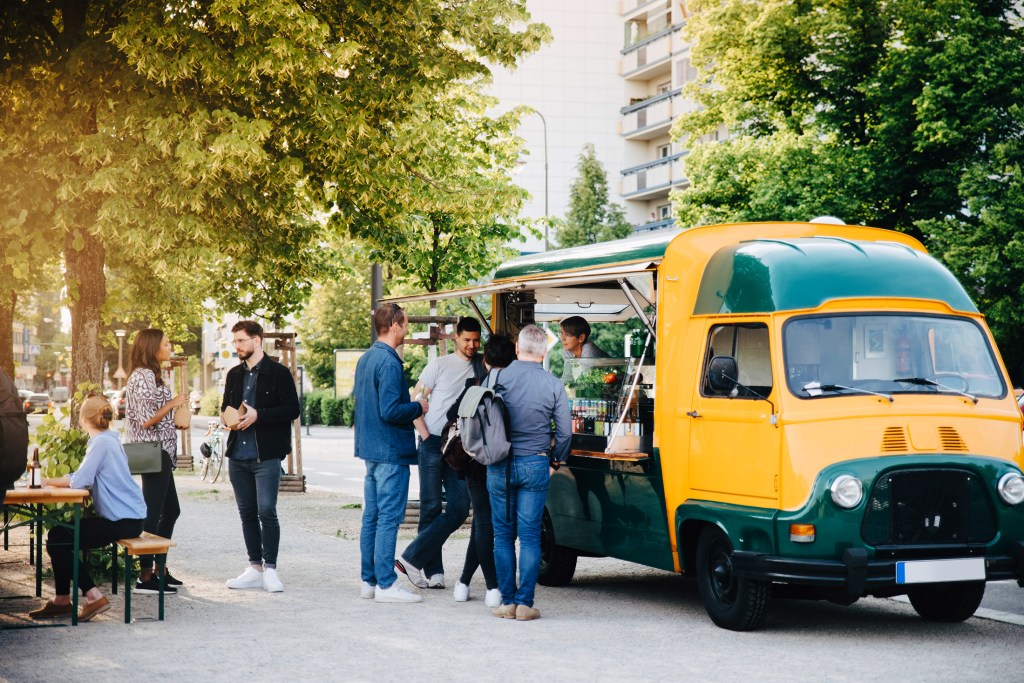
Mobile truck franchises are reshaping entrepreneurship by proving that a physical storefront isnt necessary for business success. These vehicle-based models offer lower startup costs, greater flexibility, and the ability to operate across multiple locations without being tied to one address.
What Happened
The mobile franchise sector has grown significantly, with several brands achieving national recognition through vehicle-based operations. Five standout examples demonstrate how different industries from mobile food to professional services thrive when the business model moves on wheels.
Snap-on Tools has built a prominent position in mobile professional services, operating service units that visit repair facilities and workplaces to support skilled tradespeople. The brand ranks #27 on the 2026 Franchise 500 and enables franchisees to acquire established customer routes from day one.
Kona Ice has transformed a mobile food concept into one of the countrys fastest-growing franchise brands. With nearly 2000 units on the road and significant unit growth over three years, the company also contributes substantial funds to local schools and youth organizations through fundraising events.
Matco Tools operates similarly, running mobile service units that visit auto repair shops and service centers. With nearly 1900 units nationwide and a #46 ranking on the 2026 Franchise 500, Matco provides franchisees with a route-based model that fosters long-term technician relationships without requiring retail space.
Mac Tools, backed by a major manufacturer, has been a pioneer in the truck-based distribution model for decades. More than 1100 franchisees operate in protected territories, serving mechanics, fleet operators, and industrial customers while benefiting from established brand resources.
Two Men and a Truck has grown from a local startup into one of the most recognizable moving companies in the United States with over 380 franchise locations. The brand has appeared on Entrepreneurs Franchise 500 for over 30 consecutive years, offering moving services to residential and commercial customers.
Why This Matters
Operating without a storefront translates to lower fixed costs, faster setup times, and the ability to reach customers wherever they are. For entrepreneurs, this model reduces financial risk while maintaining the support of an established franchise system. It also opens doors for individuals who want to test a business concept in multiple markets without committing to a single location.
Mobile franchises also tend to have a smaller environmental footprint compared to traditional retail spaces, and many brands emphasize community engagement as a growth driver. The flexibility to pivot routes, adjust schedules, and scale operations makes this model particularly attractive in todays fast-changing economy.
Key Takeaways
- Mobile truck franchises eliminate the need for a commercial lease, significantly reducing startup overhead.
- Five established brands demonstrate the models versatility across tool services, food, and moving industries.
- Franchisees benefit from proven systems, brand recognition, and established customer routes from the first day of operation.
- Initial investments range from approximately $92000 to over $500000, depending on the industry and equipment requirements.
- The mobile format supports geographic flexibility, allowing owners to adjust routes and target high-demand areas.
Conclusion
For entrepreneurs seeking a lower-overhead entry into business ownership, mobile truck franchises offer a compelling alternative to traditional retail. By leveraging proven franchise systems and the mobility of a vehicle, these brands prove that success is not tied to a single address. Whether your interest lies in professional tools, mobile food, or moving services, the five franchises highlighted here provide a clear pathway to ownership on your own terms.



Discussion
Join the conversation
Thoughtful reactions, questions, and follow-up ideas help shape the next story.