Introduction
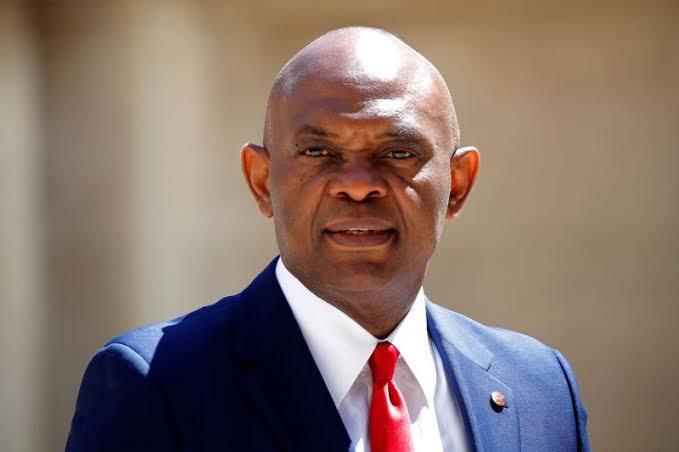
Africa's next generation of founders are brimming with vision, yet too often brilliant ideas stall before they ever launch. Tony Elumelu argues that talent alone is not enough. Entrepreneurs need capital, mentorship, and practical support to turn concepts into thriving businesses. His foundation's 15-year journey proves that strategic investment in early-stage founders can ripple across entire economies.
What Happened
Constant Ayihounoun's story illustrates the power of targeted support. While still in high school in Benin, he identified soil degradation as a barrier to farmer productivity and built Agreco, a venture producing organic fertilizers and biopesticides. Backed by the Tony Elumelu Foundation, Agreco now serves over 100 farmers and demonstrates how modest seed capital can validate a green business model. Since 2010, the Foundation has disbursed $120 million to 24,000 entrepreneurs across all 54 African nations, delivering business management training to 2.5 million young people and catalyzing over 1.5 million jobs while generating $4.2 billion in revenue.
Why This Matters
Annually, roughly 10 to 12 million young Africans join the labor market, yet only around 3 million secure formal employment. Entrepreneurship alone will not close the gap, but thriving small businesses generate employment, lift livelihoods, and expand local economies. Beyond funding, founders need help managing cash flow, hiring talent, and connecting with customers. Mentors and strong networks often determine whether a startup survives its first critical years, which is why the Foundation's model combines capital with practical guidance and access to markets.
Key Takeaways
The data is clear: well-designed entrepreneurship programs improve employment and earnings, especially in low- and middle-income countries. The Tony Elumelu Foundation's approach, disbursing seed funding upfront while pairing it with mentorship and network access, shows how development and philanthropic capital can de-risk the earliest stages. As development aid shrinks, investing in early-stage founders becomes both a moral and economic imperative. Projections show Sub-Saharan Africa's working-age population will expand by 740 million by 2050, and homegrown companies poised to trade globally can become new engines for international commerce.
Conclusion
Africa does not lack ambition or ideas; it lacks accessible capital and the support systems that help those ideas scale. Development finance institutions and foundations should absorb early risk, while investors and corporations step in once businesses prove their value. Backing entrepreneurs early, then connecting them to customers and commercial finance, creates a cycle of growth that benefits local communities and global markets alike. The future of African-led economic progress depends on who dares to invest in the next generation of founders today.


Discussion
Join the conversation
Thoughtful reactions, questions, and follow-up ideas help shape the next story.