Introduction
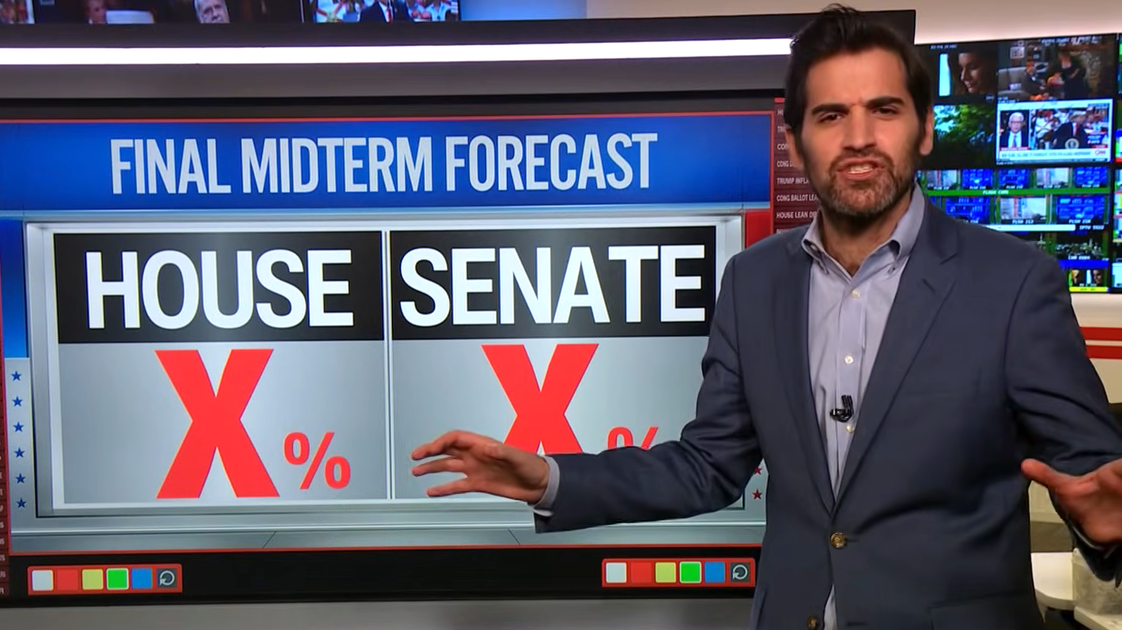
A data scientist's predictive model now gives Democrats a 90% probability of securing Senate control, marking one of the most significant shifts in upper-chamber forecasting this election cycle. The model, developed by Thomas Miller at Virtualtout.io, has consistently outperformed traditional polls and prediction markets.
What Happened
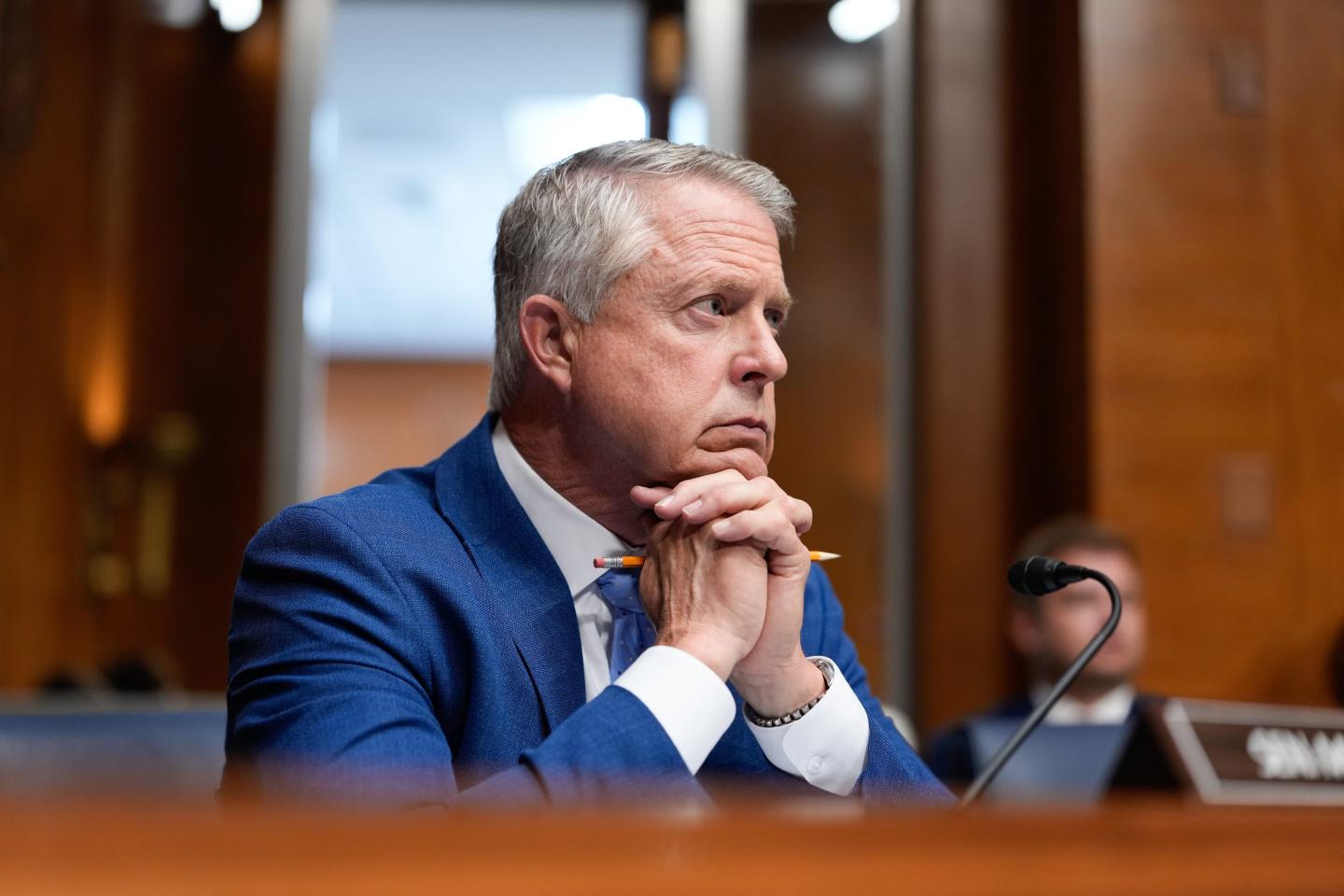
As of Monday morning, the model projected Democrats with at least 51 Senate seats while Republican odds plummeted from 23% on October 26 to under 10%. A major catalyst: Democrats now lead in longtime Republican stronghold Kansas, and Iowa has flipped into a virtual tossup. In Kansas, Senator Roger Marshall's re-election chances dropped from roughly 75% to 43.9% within 24 hours, a 7.1% decline. Similarly, Iowa's Josh Turek fell from 62% to 51.6% as opponent Ashley Hinson closed the gap.
Why This Matters
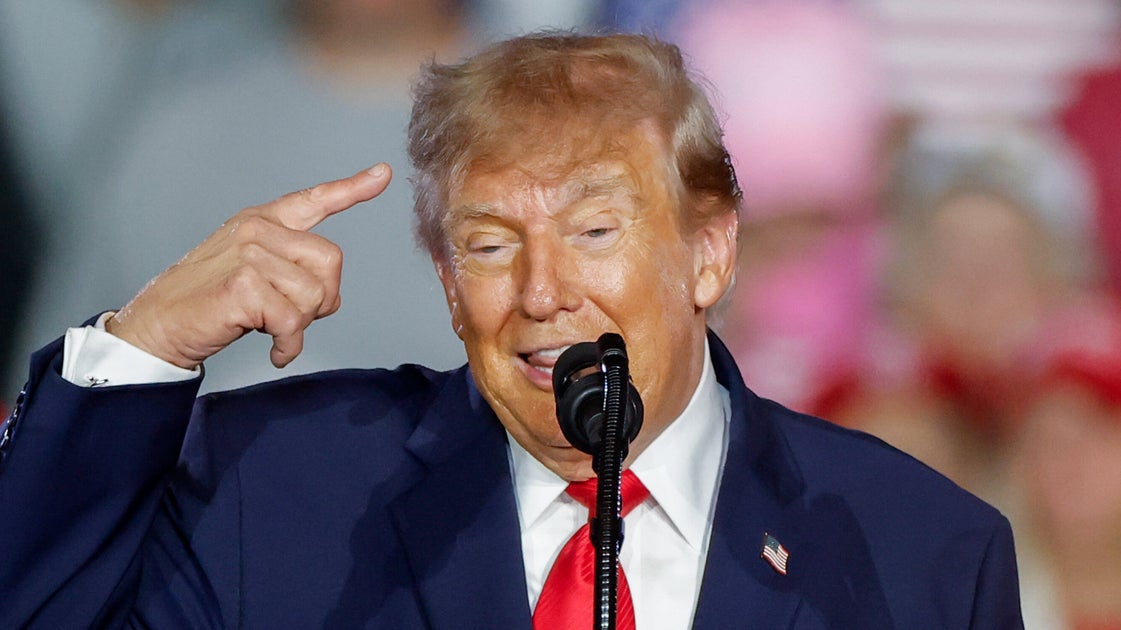
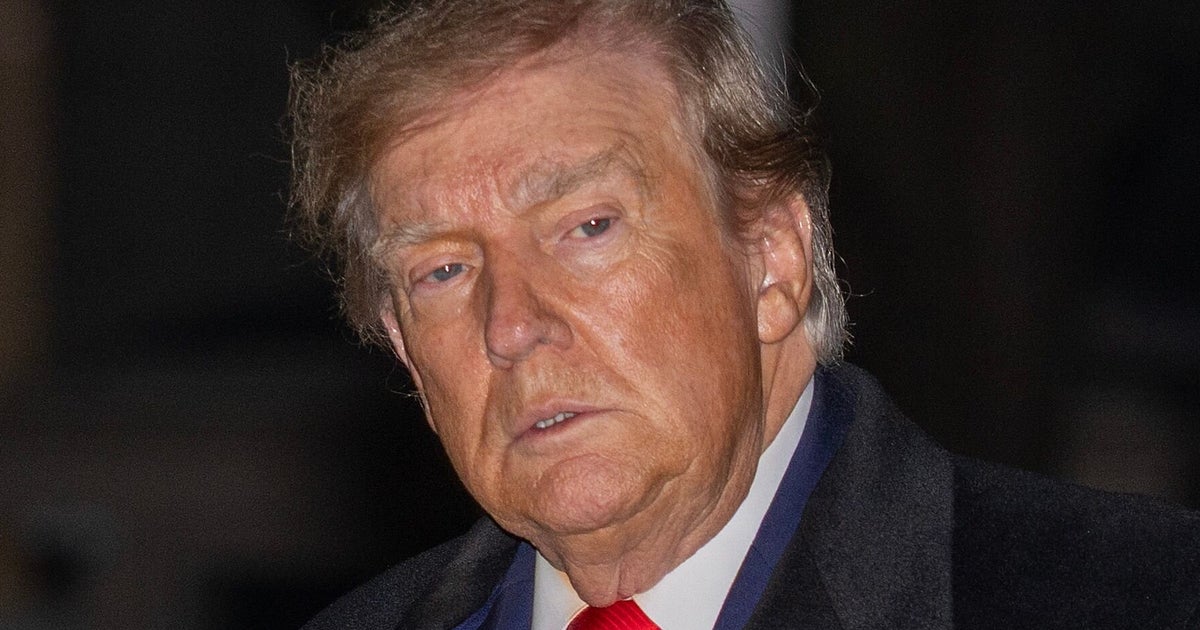
The model's creator notes that former President Trump's campaign appearances have not translated into Republican gains, and in some cases, his rhetoric has backfired. Miller's methodology combines real-time betting market prices from Kalshi and Polymarket with a suite of time-series factors tracking voter sentiment on affordability, the economy, and international issues. Because the model updates every ten minutes, it captures momentum faster than static polls, revealing a nationalized trend where voter perception of the Trump administration ripples across all competitive races.
Key Takeaways
- Democrats hold a 90% forecasted majority, a level far exceeding most poll averages.
- Kansas and Iowa have shifted blue, reshaping the Senate map.
- GOP's best remaining paths include Maine's Susan Collins at 34.7% and Michigan at 24.5%, though both remain long shots.
- The model will continue updating through Election Day, potentially calling races ahead of official results.
Conclusion
With Midwestern strongholds trending blue and the GOP's path narrowing, the battle for Senate control has taken an unexpected turn. Miller's real-time model will remain active through November, offering the most current view of how voter sentiment is reshaping the upper chamber's balance of power.





Discussion
Join the conversation
Thoughtful reactions, questions, and follow-up ideas help shape the next story.