
Introduction
Iran has proposed reopening the strategic Strait of Hormuz under specific conditions, escalating diplomatic tension with the United States as the Trump administration weighs possible military action.
What Happened
Iranian officials stated they would open the waterway if the U.S. lifts sanctions and releases billions in frozen assets. The offer came as President Trump indicated he may authorize major combat operations after the November midterm elections, and as a Qatari-mediated delegation traveled to Doha to revive talks.
Why This Matters
The Strait of Hormuz handles roughly 20 percent of global oil transit, making its security critical to worldwide energy markets. Iran's previous closure of the passage after U.S. and Israeli strikes in late February already pushed energy prices higher, and any new disruption could have immediate economic ripple effects.
Key Takeaways
- Iran demands the U.S. lift sanctions and release frozen assets before reopening the strait.
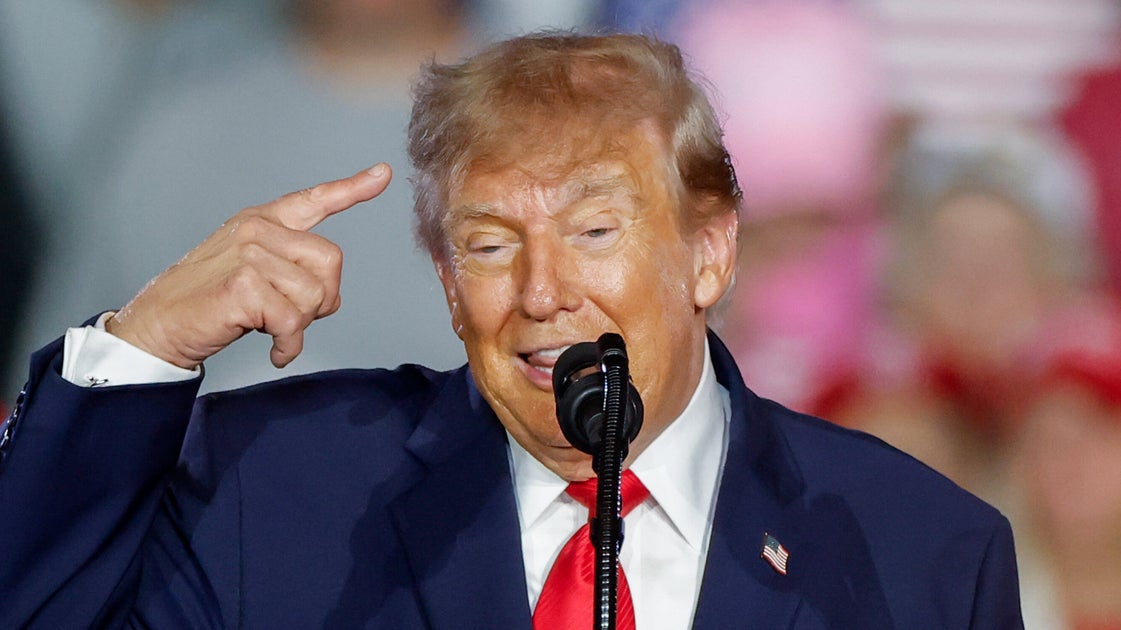
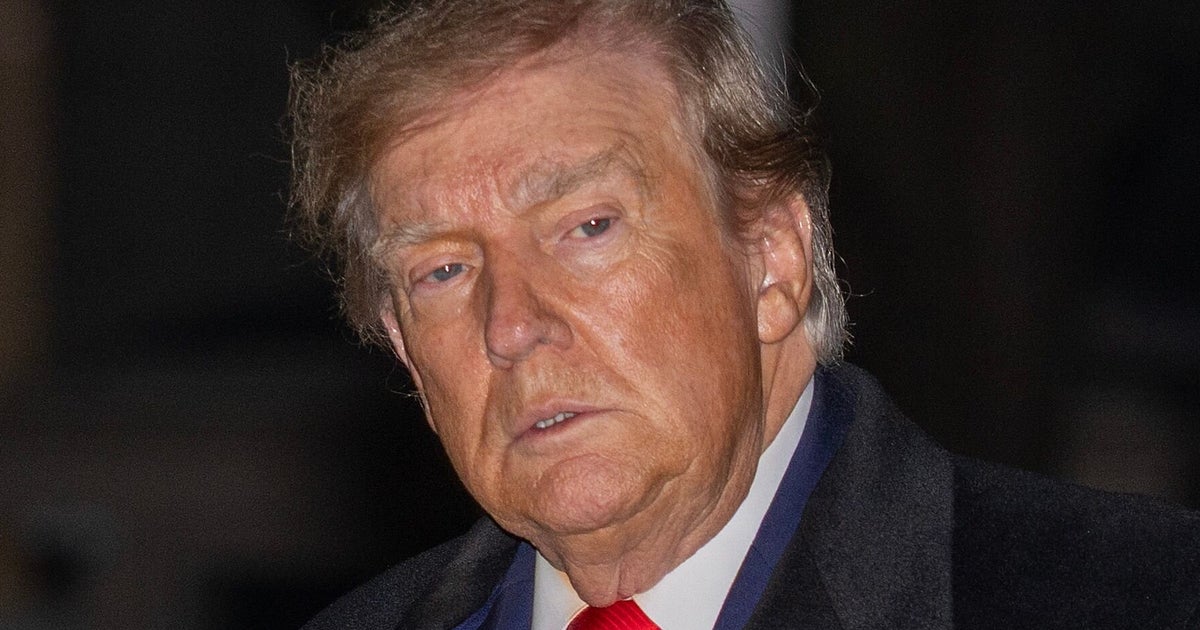
- Trump has warned he may greenlight strikes, saying he wants to avoid conflict but may be forced to act.
- Qatari mediators are facilitating renewed negotiations between Washington and Tehran.
- A senior Iranian diplomat warned the outcome depends entirely on U.S. decisions.
Conclusion
With diplomatic channels active and military threats looming, the future of the Strait of Hormuz remains a pivotal point in Middle East energy security and U.S.-Iran relations. The coming weeks will likely determine whether a negotiated reopening is possible or if further escalation looms.






Discussion
Join the conversation
Thoughtful reactions, questions, and follow-up ideas help shape the next story.