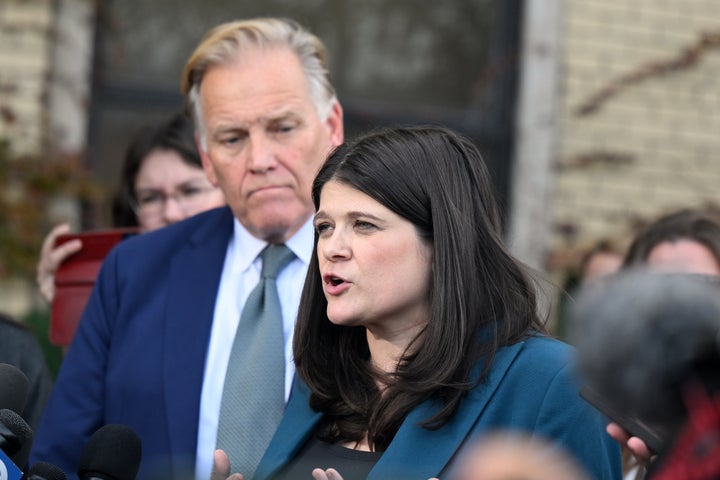
Rep. Haley Stevens (D-Mich.) found herself at the center of a political firestorm Sunday after endorsing Republican Mike Rogers in a closely watched Senate race. The move came amid intense media scrutiny and raised questions about the sudden shift in allegiance just days before a pivotal vote.
Introduction
Rep. Haley Stevens (D-Mich.) found herself at the center of a political firestorm Sunday after endorsing Republican Mike Rogers in a closely watched Senate race. The move came amid intense media scrutiny and raised questions about the sudden shift in allegiance just days before a pivotal vote.
What Happened
According to reporting, Stevens had recently texted about attending a church service with Democratic rival Abdul El-Sayed, only to reverse course and back Rogers shortly after. During a CNN interview, anchor Anderson Cooper pressed her repeatedly on what triggered the change, but Stevens offered only vague references to frustration and disagreements over El-Sayed's ties to popular streamer Hasan Piker. She repeatedly deflected specific details, insisting the decision was personal and that she remains committed to her party's broader goals.
Why This Matters
The endorsement is significant because Stevens was among the top contenders for the Democratic nomination, and her support could influence voter sentiment in a race projected to decide Senate majority control. Democrats swiftly condemned the move, citing Rogers' alignment with former President Donald Trump and policy positions at odds with the party's platform. Stevens insisted she still loves her party and wants Democrats to win, but the episode has already sparked debate about loyalty, strategy, and the fluid nature of political alliances heading into the election.
Key Takeaways
- Stevens endorsed Rogers despite being a leading Democratic contender for the seat.
- The decision came after reported contact with El-Sayed and references to anger and external influences.
- CNN's Anderson Cooper pressed her for specifics, but she avoided giving a clear explanation.
- Critics argue the endorsement undermines Democratic unity in a critical swing state.
- Stevens maintained she remains committed to helping her party retain the Senate.
Conclusion
Whether seen as a strategic realignment or a surprising betrayal, Stevens' endorsement of Mike Rogers has added a new layer of uncertainty to Michigan's Senate contest. As the race heats up, the incident highlights how quickly political calculations can shift—and why every endorsement matters when the majority hangs in the balance.






Discussion
Join the conversation
Thoughtful reactions, questions, and follow-up ideas help shape the next story.