
Introduction
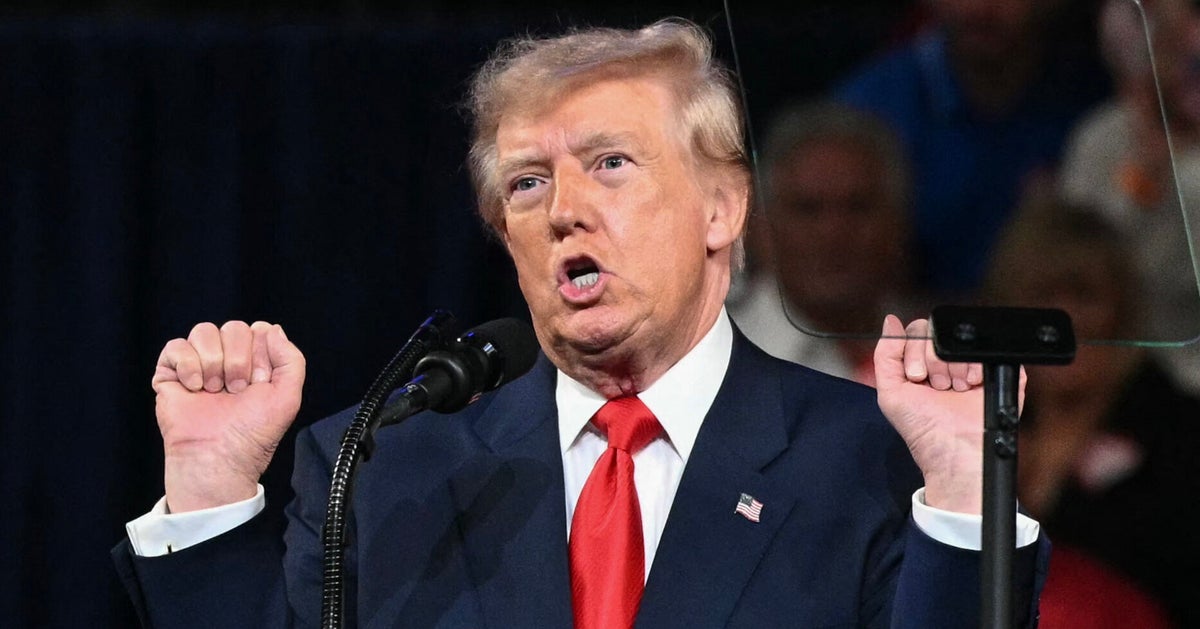
Senator Jeanne Shaheen of New Hampshire recently confronted President Trump over his administration's attempt to import Russian diesel into the United States, drawing a sharp bipartisan rebuke on the Senate floor. During an NPR interview, Shaheen emphasized the deal's legal and practical problems, citing a 2022 law that expressly prohibits Russian energy imports without proper congressional consultation.
What Happened
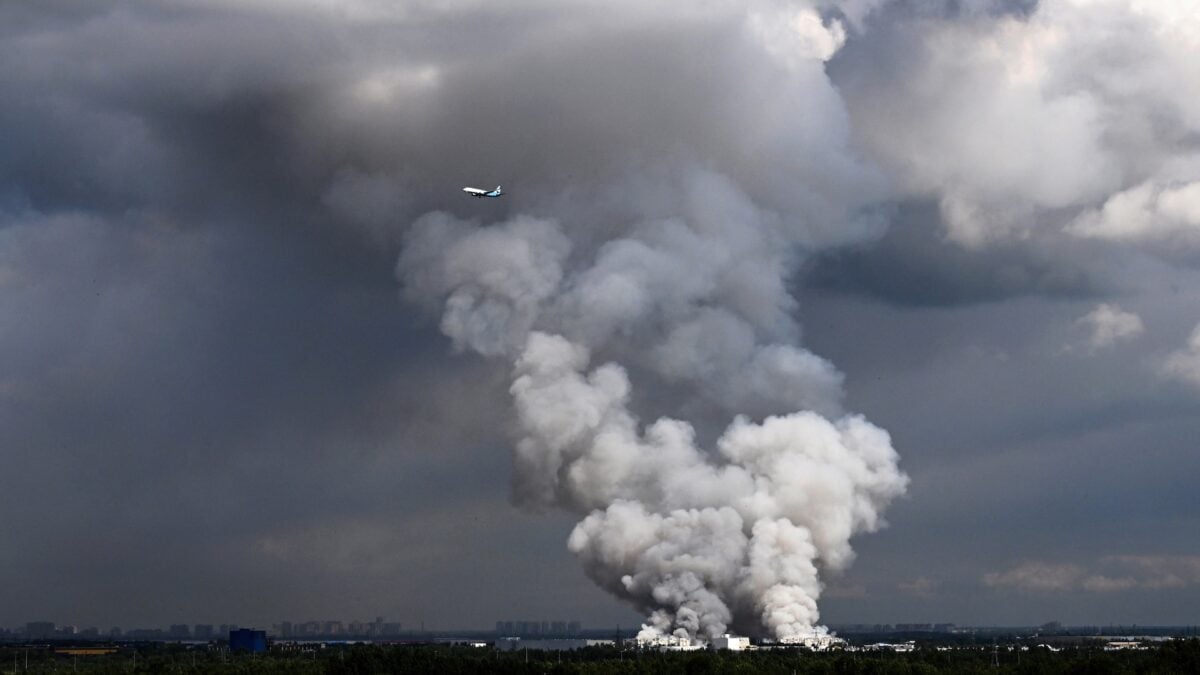
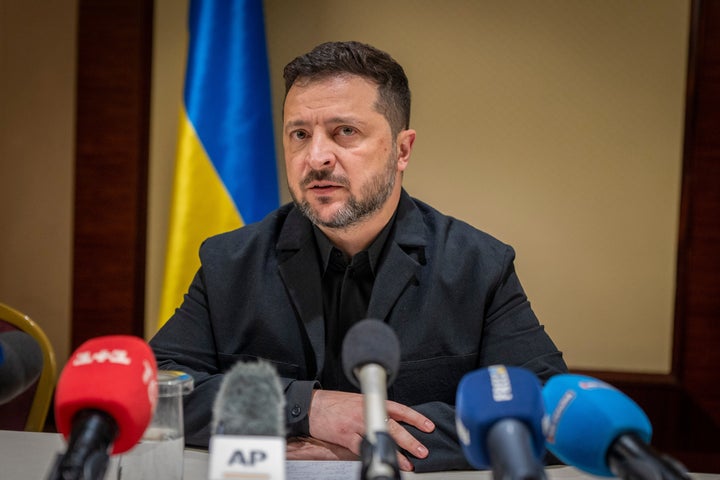
During an NPR interview, Steve Inskeep spoke with Senator Shaheen about a deal that would allow Russian diesel to enter the U.S. Shaheen emphasized that a 2022 law expressly prohibits Russian energy imports unless the administration consults Congress and meets specific conditions, a step this White House has not taken. She also pointed out that Russia's energy infrastructure has been heavily struck by attacks, leaving the country short on fuel and prompting long lines of cars and trucks queuing to fill gas and diesel domestically. The senator rejected the administration's narrative that the deal would ease American fuel costs, calling it a political distraction from the real drivers of high prices. She argued that the president is using the diesel proposal to shift blame away from his own policies, particularly regarding the ongoing conflict in the Middle East. Shaheen firmly rejected claims that Ukraine is responsible for targeting Russian energy sites, noting that Kyiv is simply defending itself against daily attacks that kill civilians and threaten regional stability.
Why This Matters
The proposed Russian diesel import raises serious questions about executive overreach and congressional authority. With a 2022 law explicitly blocking such imports without proper consultation, the administration's move appears to sidestep legislative intent. Shaheen's opposition highlights a broader concern: using energy policy as a political tool can obscure the real causes of price spikes and undermine support for allies. Beyond the immediate fuel market, the deal touches on U.S. credibility regarding the war in Ukraine. Shaheen rejects the blame-shifting toward Ukraine, emphasizing that Kyiv is simply defending itself against daily attacks that kill civilians and threaten regional stability. The episode underscores how energy decisions are increasingly entangled with war, diplomacy, and domestic politics.
Key Takeaways
- Congressional bypass: The Russian diesel deal sidesteps a 2022 law that blocks imports without proper congressional consultation.
- Russia's fuel reality: Domestic shortages from infrastructure strikes make large-scale Russian exports to the U.S. unlikely.
- Ukraine's role: Shaheen rejects blame-shifting toward Kyiv, emphasizing Ukraine's right to defend itself against daily attacks.
- Bipartisan pushback: Several senators from both parties have already objected to the administration's approach, signaling sustained congressional opposition.
- Political framing: Critics view the proposal as a maneuver to deflect from broader energy and foreign policy challenges.
Conclusion
Senator Shaheen's pushback illustrates the importance of congressional oversight when the executive branch seeks to circumvent established sanctions. As the U.S. navigates complex energy markets and international conflicts, the Senate's role in checking unilateral actions remains a critical safeguard. Voters and lawmakers alike will be watching how this debate evolves in the coming months.




Discussion
Join the conversation
Thoughtful reactions, questions, and follow-up ideas help shape the next story.