Introduction
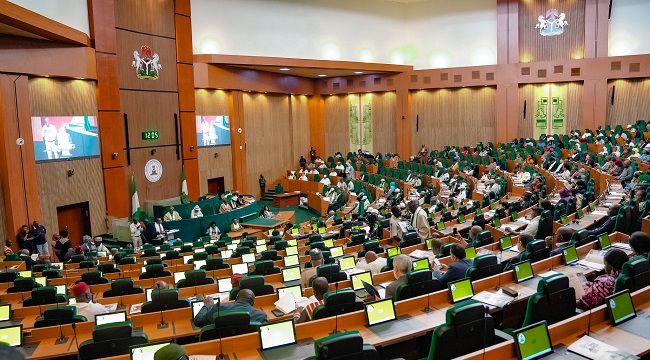
The Nigerian House of Representatives has taken a decisive step by dissolving all ad hoc committees operating under its roof. The move underscores the chamber's commitment to operational efficiency and adherence to established parliamentary rules.
What Happened
The Speaker of the House, Abbas Tajudeen, issued a directive affecting all ad hoc committees, citing that their mandates have naturally expired. Only two committees secured brief extensions, which have now lapsed. The dissolution takes effect immediately, requiring all committee activities to stop forthwith.
Why This Matters
Ad hoc committees are temporary by design, created to handle specific tasks within a defined timeframe. Their continued existence beyond the mandated period not only flouts standing orders but also risks diverting resources from active legislative business. The dissolution clears the path for fresh assignments and ensures lawmakers stay focused on current priorities.
Key Takeaways
- All ad hoc committees are now dissolved as of August 28, 2026.
- Chairmen must submit all reports, documents, and records to the Clerk's office.
- The decision is rooted in Standing Order 18, Rule 11, Paragraph 5 regarding report timelines.
- Only two committees received extensions, both of which have expired.
- Members are expected to comply strictly with the directive.
Conclusion
The dissolution of these temporary panels reflects the House's resolve to maintain discipline and focus. Lawmakers and committee members should ensure a smooth handover of all materials to the appropriate offices. This development also sets a precedent for how future ad hoc bodies will be managed within the legislative calendar.


Discussion
Join the conversation
Thoughtful reactions, questions, and follow-up ideas help shape the next story.