Introduction
Israel Toluwalope Olaleye graduated from the University of Ibadan in 2021 with a degree in Mathematics. He expected a career centered on equations and whiteboards, but by mid-2023 he had entered real estate sales. Starting as a sales development representative making calls and sending follow-up messages, he now leads a sales team and runs Asset by Israel, an advisory brand that helps Nigerians at home and abroad purchase verified property in Lagos, Ogun, and Oyo States. Along the way, he discovered that showing someone a plot of land reveals far more than property details—it exposes their deepest beliefs about money.
What Happened
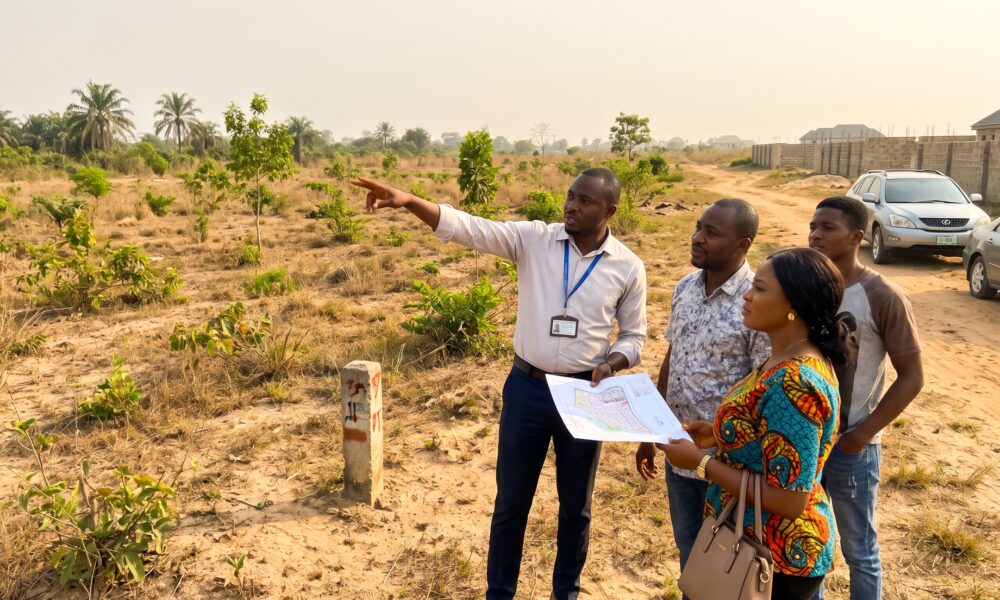
Olaleye recalls a buyer who insisted the funds were ready, yet asked to delay payment until the following year. The two walked the site together under the afternoon sun, but when it came time to commit, the purchase was postponed. That moment repeated itself in different forms: clients who missed scheduled inspections, buyers who requested ten matching options only to ask for something else, and individuals who vanished after receiving a price, only to return after the price increased demanding the original rate.
These experiences led Olaleye to a surprising conclusion. Most people do not face a money problem; they face a decision problem. Many earn, spend, plan, and postpone simultaneously, leaving them stuck between intention and action.
Why This Matters
One central lesson is that earning a high income does not automatically create wealth. Someone can earn twenty million naira annually and still lack financial security if every kobo is converted into lifestyle rather than assets. Wealth, Olaleye argues, is what remains and grows over time, and it does not always announce itself with expensive cars or flashy clothing.
He also challenges the common Nigerian view that real estate means only buying land to hold or building a house to live in. While land can appreciate and a home provides security, income-generating assets such as rental apartments, shops, or short-lets can produce cash flow while increasing in value. Understanding the difference turns a single property purchase into a broader financial plan.
Patience is another area where confusion arises. Buyers often expect property values to double within months, yet they cannot explain what should drive that growth—such as new roads, population shifts, or incoming businesses. Without knowing what to wait for, every month of delay feels like a loss.
Finally, Olaleye addresses trust, especially among Nigerians living abroad who send money home and rely on relatives to manage purchases. He advises against relying on trust alone. Buyers should involve lawyers to check titles, surveyors to confirm land boundaries, and independent professionals to verify every detail—even the salesperson.
Key Takeaways
- Being ready to buy is different from actually having the money allocated and willing to spend it.
- High income does not guarantee wealth; converting earnings into assets is what builds long-term security.
- Real estate can serve different purposes: some properties appreciate over time, while others generate regular income.
- Investors should understand what drives property value before purchasing, rather than waiting passively and hoping for gains.
- Trust must be paired with verification, including legal title checks, land surveys, and professional due diligence.
Conclusion
Olaleye no longer measures success solely by the number of properties sold. He cares more about whether his conversations help people make better decisions with their money. Through Asset by Israel and his role as Sales Development Manager at Land Republic, he aims to offer honest guidance and sound judgment in Nigerian real estate. The ultimate lesson, he says, is that before anyone buys property, they must first understand their own relationship with money.
Discussion
Join the conversation
Thoughtful reactions, questions, and follow-up ideas help shape the next story.