Introduction
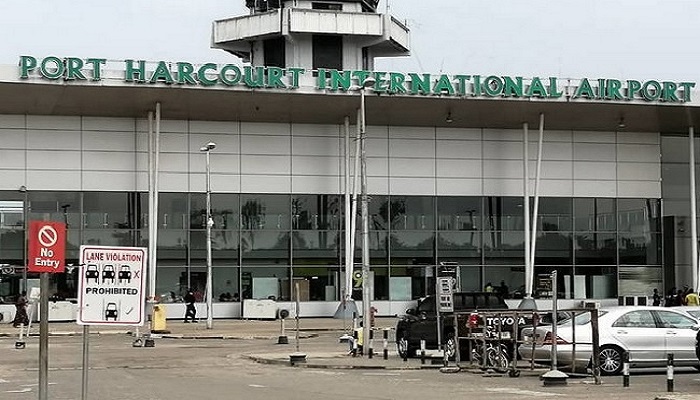
The Nigerian federal government has formally transferred operational control of the Jeremiah Obafemi Awolowo International Airport in Port Harcourt to a private consortium under a 30-year concession agreement. The move, announced by the Minister of Aviation and Aerospace Development, Festus Keyamo, is part of a wider strategy to stop using profits from busy airports to prop up loss-making facilities and to bring private capital into the country's aviation infrastructure.
What Happened
The concession agreement was signed in Abuja with the approval of President Bola Tinubu and the Federal Executive Council. Port Harcourt Airport Company Ltd. will now manage the Rivers State facility for three decades. According to Keyamo, past administrations tried to pursue similar arrangements but ran into opposition from aviation unions and lengthy court battles. The current government says it consulted with labor groups to protect workers' welfare before moving forward.
The minister explained that many Nigerian airports operate at a deficit, with costs such as staff salaries, electricity, and diesel for generators draining public funds. Rather than continue cross-subsidizing these facilities with revenue from major gateways, the government wants private investors to develop commercial and non-aeronautical parts of the airport, such as retail and cargo operations.
The concessionaire, represented by Eyo Asuquo of R28 Holdings, promised that existing staff would not lose their jobs and that the deal would create new employment opportunities. The company also pledged to upgrade the airport to international standards comparable to facilities in Europe and the United States.
Why This Matters
This concession follows a similar deal for Akanu Ibiam International Airport in Enugu, signed in January 2026, and signals that more airports could be next. The ministry has already received proposals for Benin Airport and Yola International Airport. By shifting day-to-day management and commercial development to private operators, the government hopes to reduce its financial burden, improve efficiency, and strengthen Nigeria's position in regional air travel.
For travelers and businesses in Rivers State, the promise is better infrastructure and service quality. For the aviation industry, it represents a test case for whether private management can turn around underperforming public airports without compromising safety or labor rights.
Key Takeaways
- The Federal Government has concessioned Port Harcourt International Airport to Port Harcourt Airport Company Ltd. for 30 years.
- The agreement was signed in Abuja with approval from President Bola Tinubu and the Federal Executive Council.
- The goal is to end the practice of using profits from profitable airports to subsidize loss-making ones.
- The concessionaire pledged no job losses for current workers and committed to infrastructure upgrades.
- Similar concessions have already been signed for Enugu's Akanu Ibiam International Airport, with proposals pending for Benin and Yola.
Conclusion
Port Harcourt's airport concession marks another step in Nigeria's effort to reshape its aviation sector through private participation. While the government frames the deal as a way to cut losses and modernize infrastructure, its success will depend on whether the private operator can deliver on promises of job creation, service improvements, and international-standard facilities. With more airports potentially in the pipeline, stakeholders will be watching closely to see if this model can be replicated across the country.
Discussion
Join the conversation
Thoughtful reactions, questions, and follow-up ideas help shape the next story.