Introduction
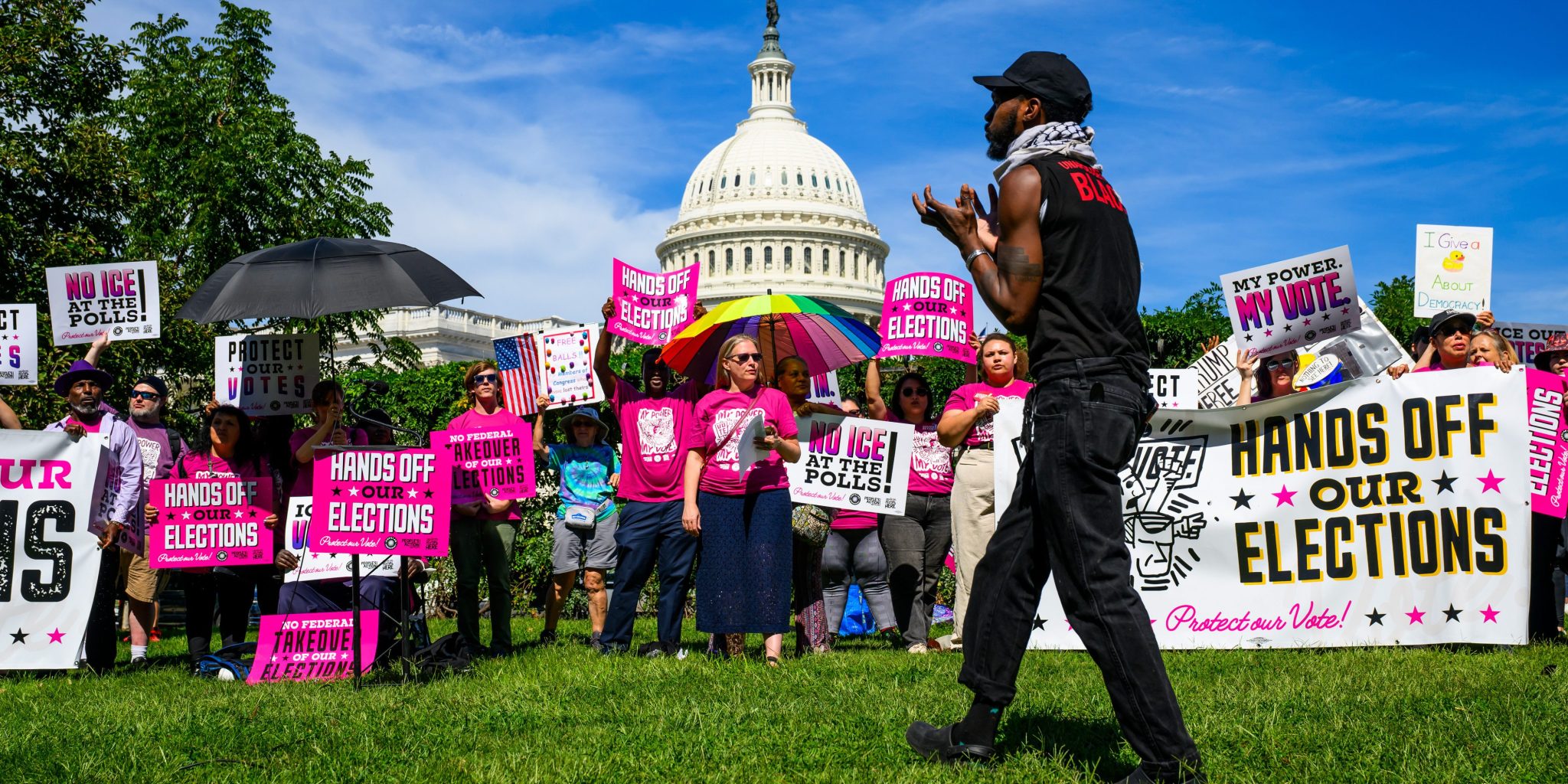
As the 2026 midterm elections approach, a new coalition of election defenders is forming across the country. Former ICE watchers and immigrant rights organizers, previously trained to confront federal agents at community borders, are now redirecting their skills to polling places. Their mission: safeguard voters from potential interference and ensure every ballot is counted.
What Happened
The transition began earlier this year when groups like States at the Core opened trainings for volunteers who once asked only how to document ICE encounters. Participants now plan to fan out to local precincts, monitoring for federal presence and protecting voters' rights. The movement received a boost when the Supreme Court blocked a Trump administration rule that would have restricted mail-in ballot delivery, but organizers remain on alert for other interference tactics, including federal agents intimidating legal observers at home and plans to deploy immigration officers at voting sites.
Why This Matters
With ICE emerging as a new variable in the election landscape, the stakes feel especially acute in battleground states. Organizers warn that even modest intimidation in heavily minority precincts could influence tight statewide races. The group's liberty vans (originally deployed to document law enforcement encounters in cities including Los Angeles, Chicago, and Minneapolis) are being rerouted to North Carolina, Georgia, Ohio, and Michigan. Volunteers trained in de-escalation and local voting law will monitor precincts with large immigrant and minority populations, building on a long tradition of voter protection as the political landscape shifts.
Key Takeaways
- Former ICE activists are applying border-security skills to election defense at polling places.
- The Supreme Court temporarily blocked a postal rule that could have disenfranchised mail-in voters.
- Federal agents have been documented intimidating legal observers at their homes, raising surveillance concerns.
- Liberty vans and volunteer teams are heading to key swing states to document and de-escalate potential conflicts.
- NAACP and civil rights groups are coordinating with immigrant organizations in Florida, Michigan, and Texas.
- Post-Election Day risks remain high, especially around ballot counting and result certification.
Conclusion
Whether through federal agents, surveillance, or coordinated sabotage attempts, ordinary people organizing together remain the most effective defense. As one advocate noted, the only thing that has changed policy in recent months is everyday people deciding they won't tolerate intimidation quietly. As voters head to the polls this November, the message is clear: stay informed, stay present, and push back when necessary.



Discussion
Join the conversation
Thoughtful reactions, questions, and follow-up ideas help shape the next story.