Introduction
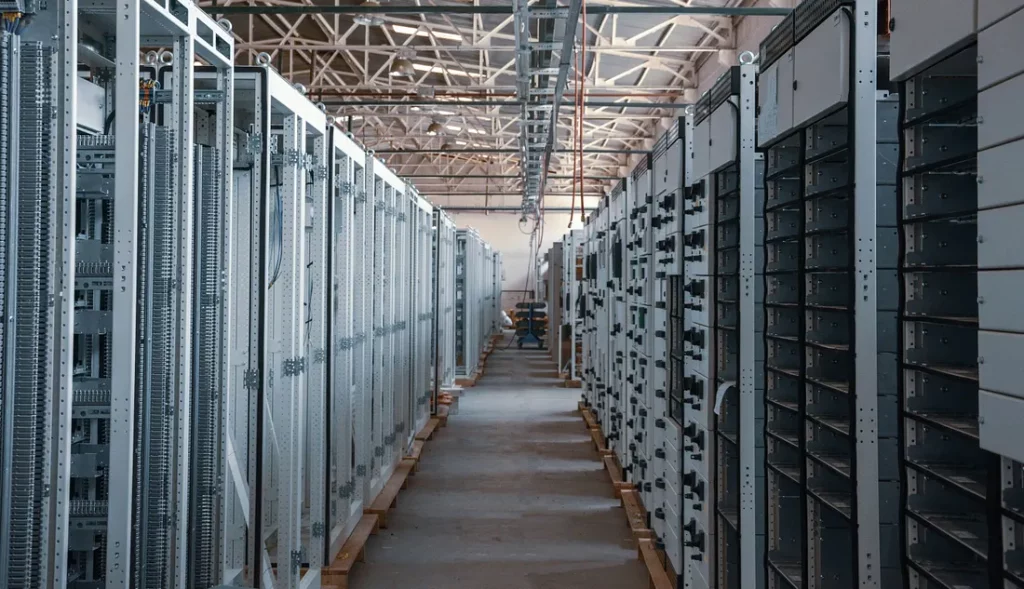
INFRAGORA Global Capital, a South African infrastructure investment firm, is spearheading a major expansion of computing infrastructure across Africa with two new AI-ready data centres in Nigeria. The project represents one of the largest single-data-centre investments on the continent this year.
What Happened
The firm plans to begin construction in the second and third quarters of 2027, backed by an estimated $650 million to $1 billion in funding. The facilities will be part of the AFRIDATA platform, targeting a total continental capacity of 300–550 megawatts across multiple African markets. A USTDA-funded feasibility study is currently assessing technical and financial viability, including AI workload support and power reliability.
Each data centre will be paired with an independent 160–200-megawatt power plant combining gas and renewable energy, supported by battery storage. The initial power load of 80–100 megawatts will supply the facilities, with excess energy potentially routed to the national grid or other infrastructure providers.
Why This Matters
With Africa accounting for less than 2 percent of global data centre capacity, local infrastructure is critical for reducing latency, supporting cloud adoption, and preserving data sovereignty. INFRAGORA aims to address this gap by delivering Tier III+/IV-standard facilities designed for high reliability and redundancy.
The project extends beyond hardware. The AFRIDATA Academy will offer training in AI, machine learning, and information security, targeting government employees, SMEs, and young entrepreneurs. An innovation fund will support AI applications in agriculture, healthcare, energy, and financial services. INFRAGORA also plans to create tens of thousands of direct and indirect jobs, with a focus on youth and women.
Key Takeaways
- Two new AI-ready data centres in Nigeria with construction starting Q2–Q3 2027.
- Total investment estimated between $650 million and $1 billion.
- Paired with a 160–200MW independent power plant using gas, renewables, and battery storage.
- USTDA funding a feasibility study on technical and financial viability.
- AFRIDATA Academy and innovation fund to build local AI talent and startup support.
- Tier III+/IV reliability standards and a focus on data sovereignty for African enterprises.
Conclusion
INFRAGORA's investment signals a pivotal moment for Nigeria's digital infrastructure and Africa's broader AI ambitions. By coupling computing capacity with reliable power development and local skills training, the project aims to reduce reliance on foreign data centres and empower homegrown innovation. Stakeholders will be watching the financial close and construction milestones as indicators of the continent's ability to scale critical digital infrastructure at speed.







Discussion
Join the conversation
Thoughtful reactions, questions, and follow-up ideas help shape the next story.