Introduction
The U.S.-Iran rivalry has entered a dangerous new phase, with both sides signaling escalation that could stretch far beyond traditional battlefields. As political pressures mount after recent elections, the risk of a broader conflict looms over regional and global stability.
What Happened
President Donald Trump suggested another "Epic Fury" operation following the midterm elections, prompting the U.S. to deploy a third aircraft carrier and Marine expeditionary group to the Middle East. In response, Iranian leaders, including Ayatollah Khamenei, threatened retaliation without geographical limits, targeting both financial and non-financial assets. The Islamic Republic has warned of strikes on undersea internet cables, data centers, and has been linked to foiled attacks on U.S. bases in the region. Intelligence reports also connect Iran to growing cyber capabilities, including alleged involvement in major crypto heists and attacks on critical military infrastructure. Analysts note that Iranian proxy networks now span from Latin America to Europe, expanding the conflict's potential footprint well beyond the Gulf.
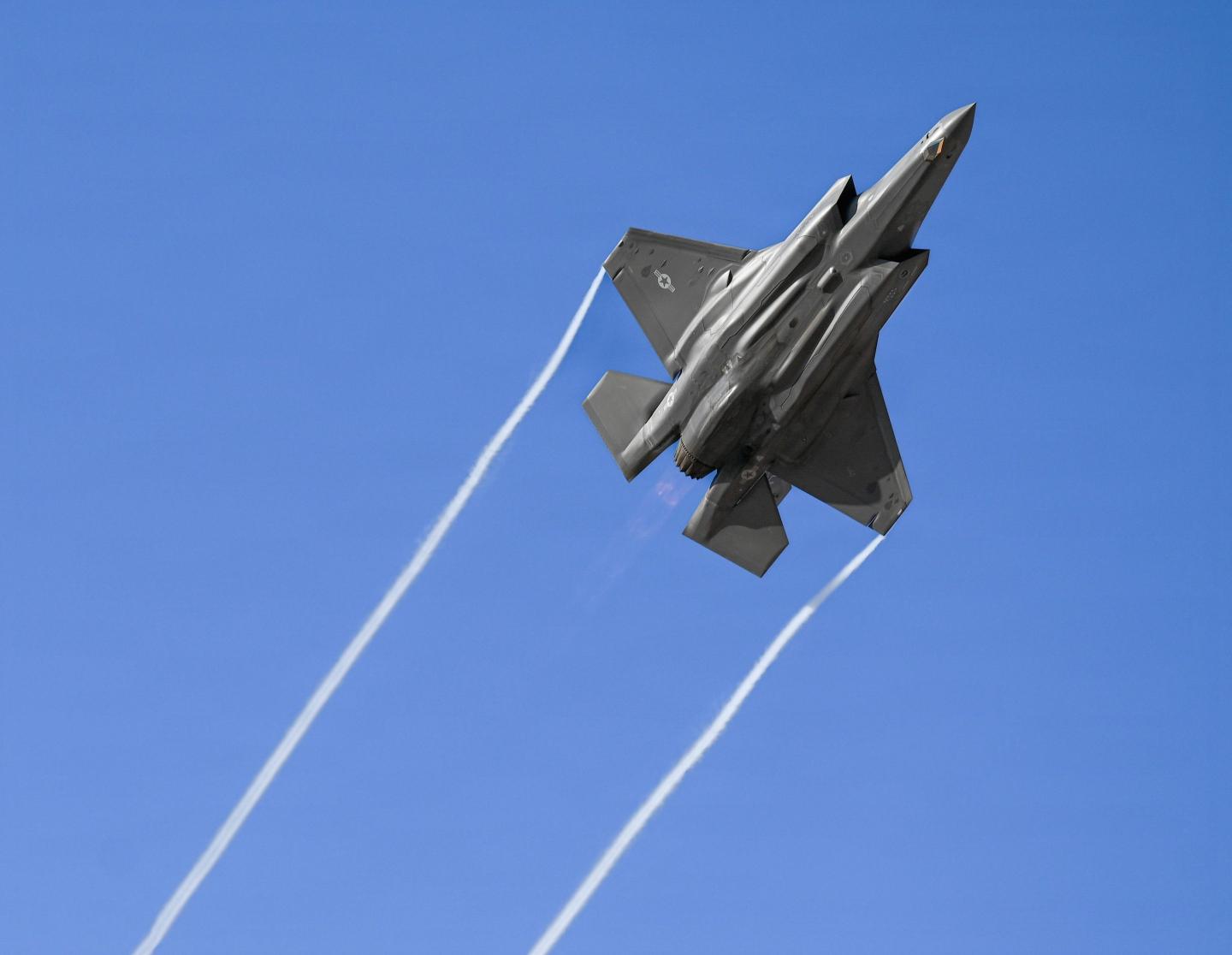
- The U.S. has reinforced its naval presence with a third carrier group and Marine unit, preparing allies for a possible short but intense renewal of fighting.
- Iran's leadership has vowed "unbound" retaliation, stating the "data bank of targets should be updated" to hit all kinds of assets.
- Cyber threats have expanded to undersea cables, data centers, and financial systems, reflecting a shift toward broader battlefield dimensions.
- Proxy networks linked to Iran have been reported across Latin America and Europe, indicating a global reach.
Why This Matters
The implications of this escalation extend well beyond the Middle East, as energy markets, global supply chains, and cybersecurity frameworks face unprecedented strain. With U.S. interceptor stocks depleted and Iran's missile and drone capabilities advancing, a new conflict could cripple regional energy infrastructure and destabilize global oil prices. Cyber threats targeting financial systems and undersea infrastructure further amplify the risk, suggesting the confrontation could spill over into economic and digital domains previously considered safe from direct warfare.
Key Takeaways
- Trump's post-election rhetoric has intensified already volatile U.S.-Iran tensions.
- Iran has explicitly threatened retaliation without geographical constraints, targeting financial and energy assets.
- The U.S. military presence in the region has been significantly reinforced, yet vulnerabilities remain acute.
- Cyber and undersea infrastructure are now active battlefronts, expanding the conflict's reach beyond traditional fronts.
- Regional energy security is at risk, with Gulf producers' credibility tested by sustained conflict.
- Diplomatic channels remain stalled, raising the likelihood of miscalculation and uncontrolled escalation.
Conclusion
As both sides harden their positions, the prospect of a contained conflict appears increasingly unlikely. Experts warn that without a clear de-escalation pathway, the war of words could quickly translate into kinetic and cyber operations with global repercussions. Stakeholders should monitor diplomatic backchannels closely, as the next few days may determine whether the region steps back from the brink or slides into a broader, costlier confrontation.





Discussion
Join the conversation
Thoughtful reactions, questions, and follow-up ideas help shape the next story.