
Introduction
Every year, thousands of Americans face the sudden, life-altering impact of a stroke. Recognizing the warning signs in the critical moments can mean the difference between full recovery and long-term disability. The BE FAST acronym provides a simple, memorable framework to identify symptoms and act quickly.
What Happened
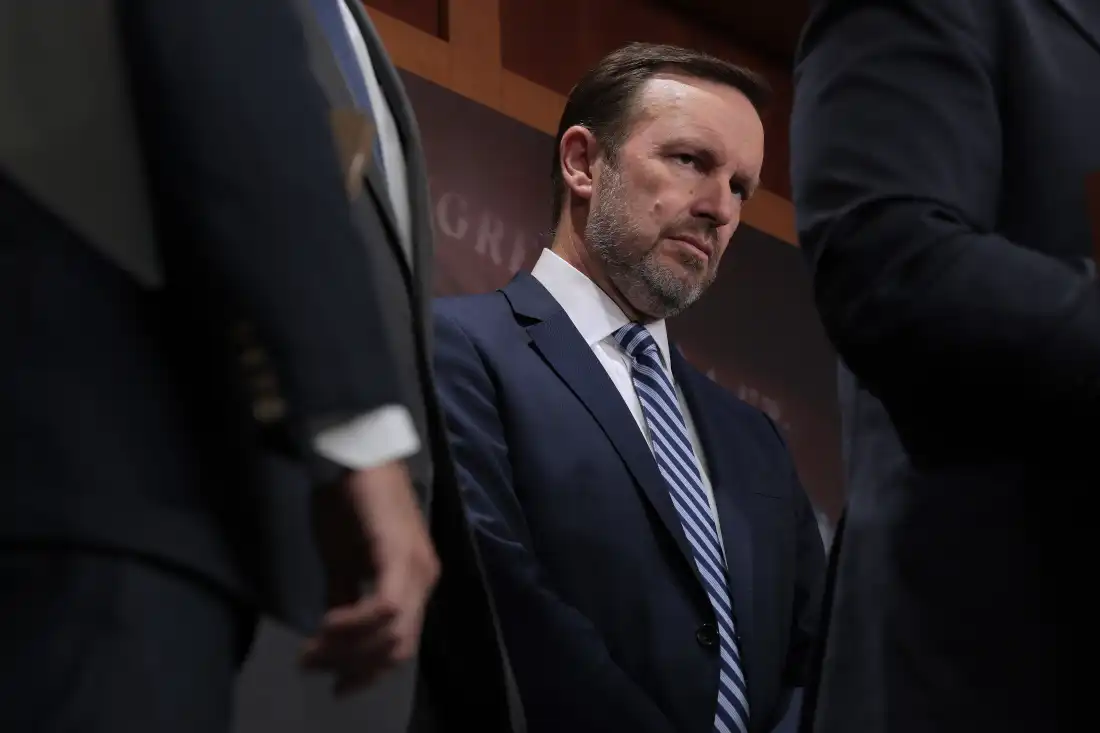
Connecticut Senator Chris Murphy experienced a stroke over the weekend, his office confirmed. The 53-year-old lawmaker felt numbness in his arm while attending his son's hockey game, prompting immediate medical attention. His team reports an excellent prognosis, underscoring how swift recognition and response can dramatically improve outcomes.
Why This Matters
Strokes remain a leading cause of death and disability in the United States. According to the American Heart Association, stroke claimed over 162,000 lives in 2023 alone. Knowing the signs—and the time-sensitive nature of treatment—empowers everyday people to act fast, potentially saving lives and reducing permanent brain damage.
Key Takeaways
- B – Balance: Sudden dizziness, trouble walking, or loss of balance may signal a stroke.
- E – Eyes: Blurred vision, double vision, or sudden vision loss in one eye warrants immediate attention.
- F – Face: Ask the person to smile; an uneven smile, drooping, or numbness on one side is a key indicator.
- A – Arm: Weakness or numbness in one arm, especially if one arm drifts down when both are raised, is a common symptom.
- S – Speech: Slurred speech, difficulty finding words, or trouble repeating a simple sentence indicates a potential stroke.
- T – Time: If any of these signs appear, call 911 immediately. Every minute without care increases the risk of permanent damage.
Conclusion
Stroke awareness isn't just for medical professionals—it's a vital skill for everyone. By memorizing BE FAST and acting fast, you can protect yourself and your loved ones. Share these signs with friends and family, and don't hesitate to seek emergency care at the first sign of trouble.








Discussion
Join the conversation
Thoughtful reactions, questions, and follow-up ideas help shape the next story.