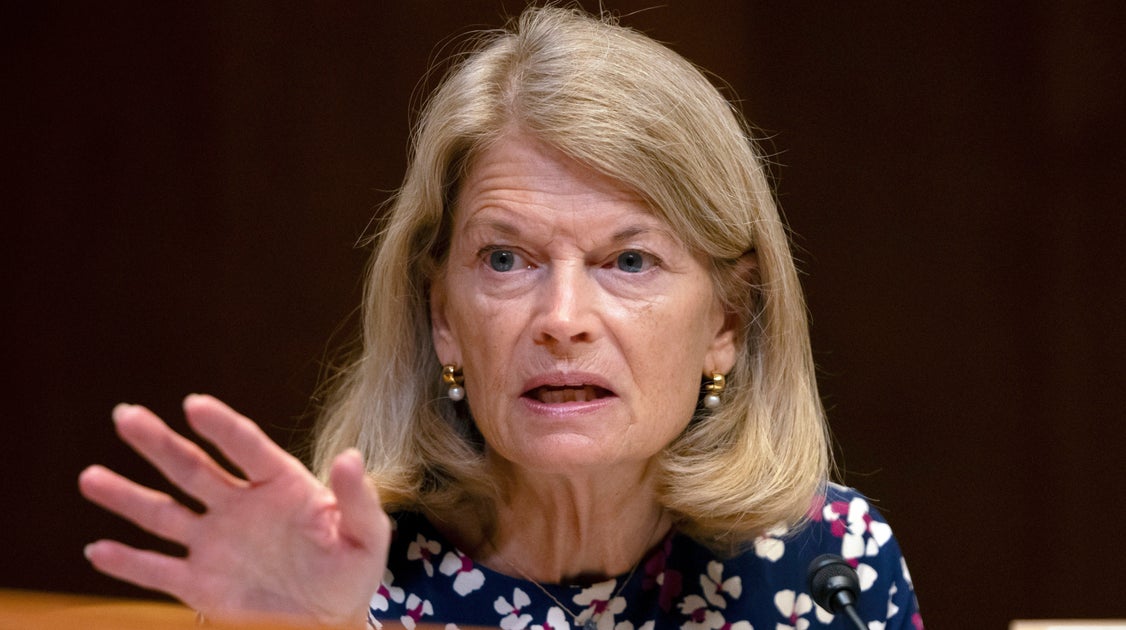
Republican Sen. Lisa Murkowski's decision to endorse Democratic gubernatorial candidate Jonathan Kreiss-Tomkins represents a notable shift in Alaska's political dynamics, highlighting a rare moment of cross-party cooperation in a highly polarized race.
Introduction
Sen. Lisa Murkowski's endorsement of Democratic candidate Jonathan Kreiss-Tomkins for Alaska governor breaks traditional party lines and signals a growing emphasis on bipartisan solutions in the state's upcoming election.
What Happened
Murkowski announced her support for Kreiss-Tomkins, citing the need to overcome partisan gridlock and focus on Alaska's fiscal and energy future. The endorsement follows a pattern of cross-party cooperation in Murkowski's career, including her 2024 backing of Rep. Mary Peltola. Kreiss-Tomkins accepted the support, emphasizing the need for collaborative governance.
Why This Matters
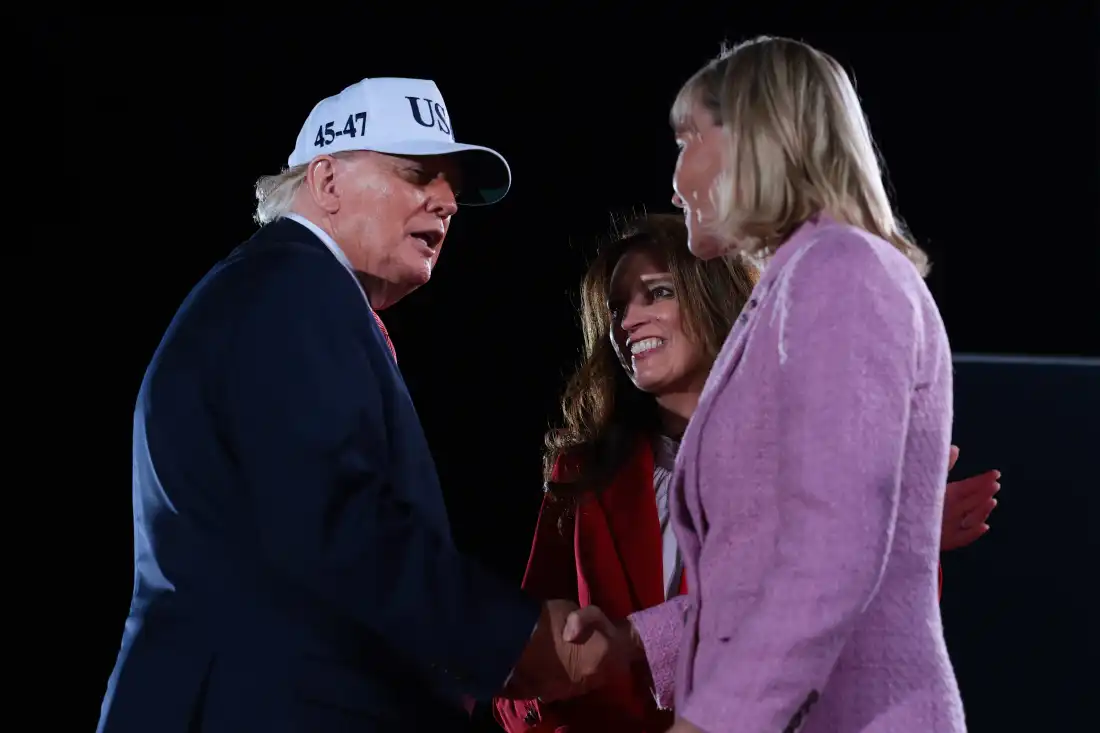
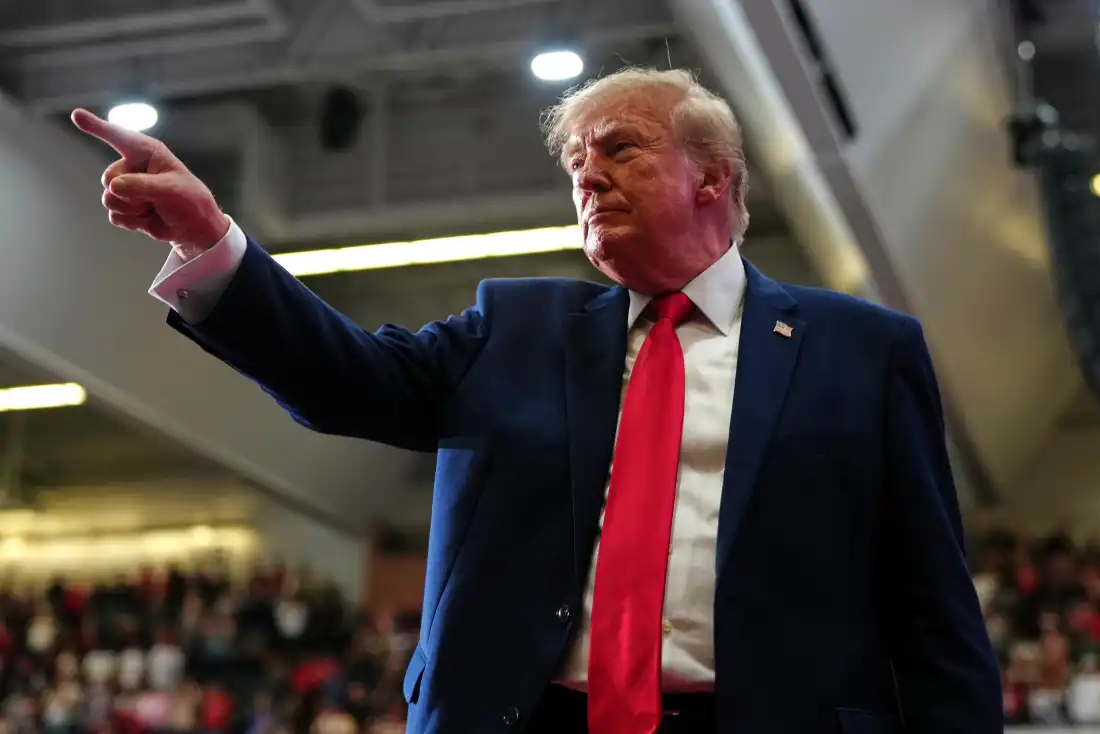
This endorsement highlights a significant realignment in Alaska's gubernatorial race, where Murkowski's break from her party could influence voter perception and campaign dynamics. With former President Trump backing other candidates and a recent poll showing a tight four-candidate field, the race has become a focal point for state political strategy.
Key Takeaways
- Murkowski's endorsement breaks traditional party loyalty in the Alaska governor's race.
- Kreiss-Tomkins gains high-profile support as he competes against three Republican opponents.
- The endorsement underscores an ongoing trend of bipartisan cooperation in Alaska politics.
- Recent polling indicates a competitive four-way contest with implications for Election Day outcomes.
Conclusion
Murkowski's support for Kreiss-Tomkins adds a compelling chapter to Alaska's 2026 gubernatorial contest. As partisan lines blur and voters weigh candidates on policy over party, the race promises to be a key indicator of the state's political direction. Observers will be watching how this endorsement impacts momentum and voter turnout.




Discussion
Join the conversation
Thoughtful reactions, questions, and follow-up ideas help shape the next story.