Introduction
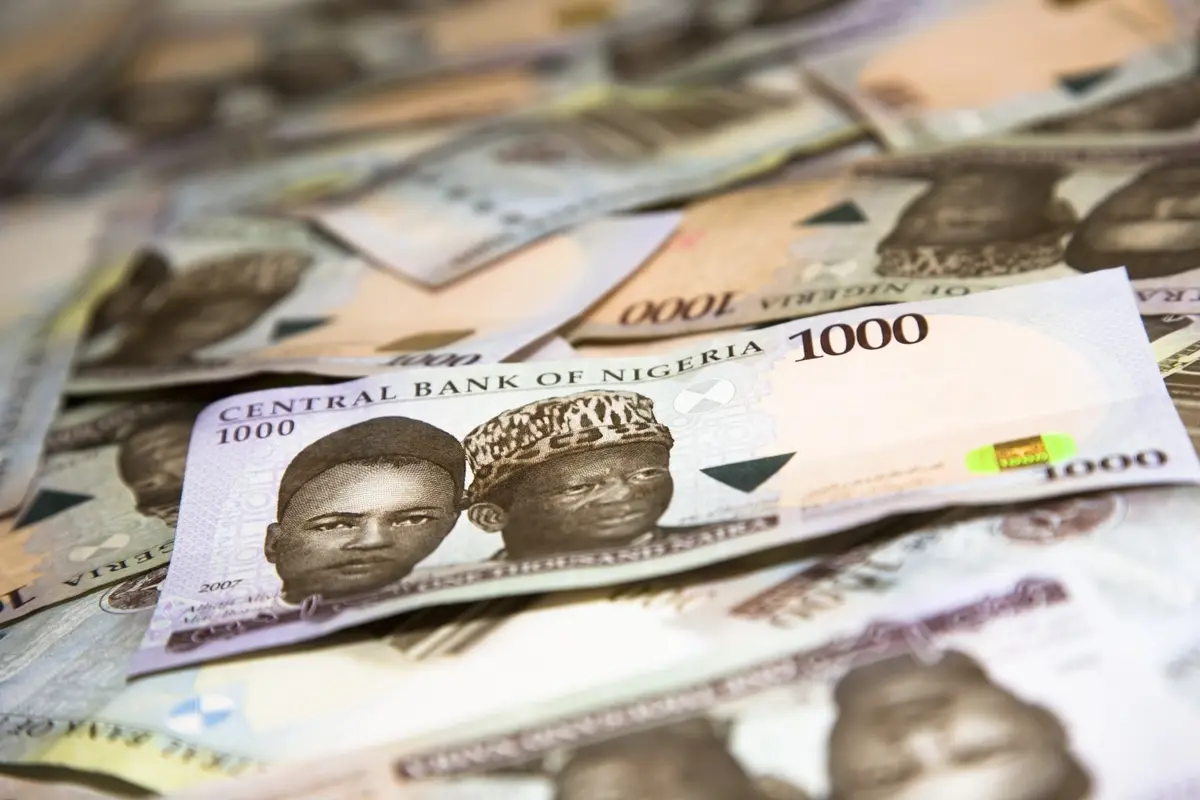
Nigeria's monetary landscape showed continued expansion in August 2026 as the Central Bank reported a significant rise in broad money supply. The latest figures reflect persistent liquidity dynamics amid shifting policy conditions.
What Happened
M3 reached N139.38 trillion in August, up 16.4% year-on-year from N119.69 trillion in August 2025. The figure also marks a 0.4% month-on-month increase from N138.78 trillion in July. Data from the Central Bank shows a steady accumulation through the year, with M3 rising from N123.95 trillion in January to N139.38 trillion in August. Key components of broad money, including currency outside banks, demand and savings deposits, time deposits, and foreign currency holdings, all contributed to the growth. Net domestic assets increased to N101.99 trillion from N101.07 trillion in July, while net foreign assets dipped slightly to N37.39 trillion from N37.71 trillion.
Why This Matters
Money supply growth signals liquidity conditions that influence inflation, lending, and exchange rate stability. The CBN's maintenance of a tight policy stance, with the Monetary Policy Rate held at 26.50%, aims to anchor inflation expectations. Contrasting movements in net domestic and foreign assets reveal internal and external balance pressures. For businesses and investors, the trajectory affects borrowing costs, foreign exchange availability, and overall economic momentum.
Key Takeaways
- M3 hit N139.38 trillion in August, a 16.4% yearly jump and 0.4% monthly increase.
- Net domestic assets grew by approximately N925.5 billion, offsetting a N323.9 billion decline in net foreign assets.
- The CBN's current MPR of 26.50% reflects a deliberate effort to balance inflation control with economic growth.
- External reserves surpassed $54.61 billion in September 2026, exceeding the bank's full-year 2026 projection.
- Liquidity expansion continues a multi-month upward trend, warranting close monitoring of policy responses.
Conclusion
The August 2026 money supply data illustrates persistent liquidity growth within a carefully managed monetary framework. As the CBN prepares for its next MPC meeting, the interplay between domestic asset expansion, foreign reserve trends, and policy rates will shape Nigeria's near-term economic trajectory. Stakeholders should track these indicators for signals on inflation, credit conditions, and fiscal stability.


Discussion
Join the conversation
Thoughtful reactions, questions, and follow-up ideas help shape the next story.