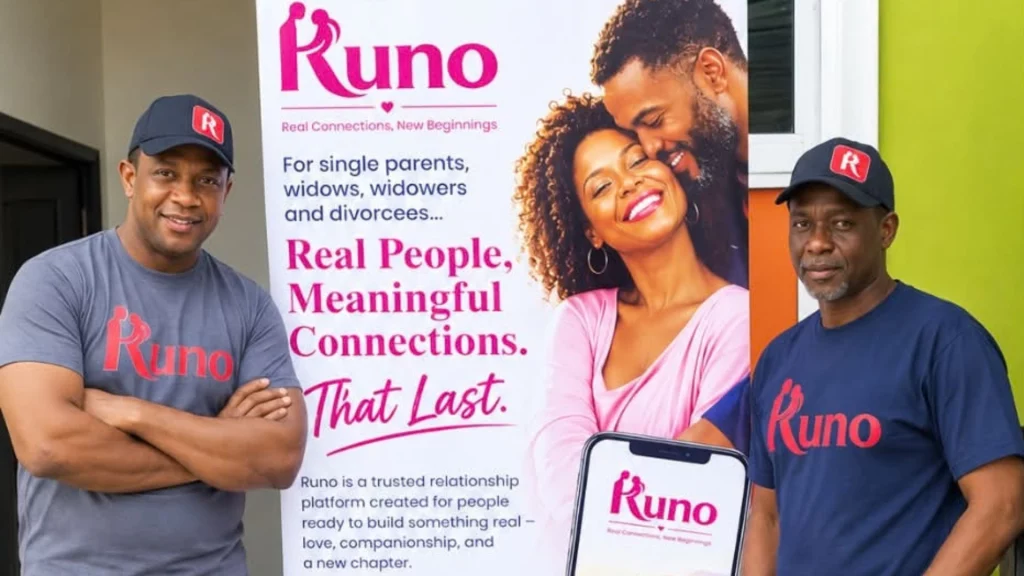
Runo is a trust-first relationship platform built specifically for African divorcees, widows, and single parents who are ready to explore a second act in love without apology or explanation.
Introduction
Late one night in 2025, founder Tega Ogaga encountered a single mother publicly shamed in a Facebook comment section for daring to seek love again. The cruelty he witnessed sparked a deeper investigation into the silent stigma surrounding divorce and widowhood across the continent. What he found was a pattern of judgment that drives many into isolation rather than connection.
What Happened
Conventional dating apps prioritize speed and youth, leaving adults navigating divorce, grief, or single parenthood without adequate support. Runo fills this gap with a design rooted in trust, privacy, and intentionality. Every feature from phone-verified profiles to mutual-match messaging is engineered to protect users from harassment and judgment.
Why This Matters
Runo targets adults aged 28 to 65 who approach dating with maturity and clear intention. The platform operates on a freemium model with ₦7,500 monthly and ₦75,000 annually. Grassroots acquisition through churches, mosques, and community groups ensures trusted controlled growth. Cultural taboos around widows remarrying are addressed through education and open dialogue. The app's mutual-match system and anonymous browsing prioritize user safety and comfort.
Key Takeaways
- Runo targets adults aged 28 to 65 who approach dating with maturity and clear intention.
- The platform operates on a freemium model with ₦7,500 monthly and ₦75,000 annually.
- Grassroots acquisition through churches, mosques, and community groups ensures trusted controlled growth.
- Cultural taboos around widows remarrying are addressed through education and open dialogue.
- The app's mutual-match system and anonymous browsing prioritize user safety and comfort.
Conclusion
Runo's ultimate success will be measured by the people who find meaningful connection and leave the platform having found what they sought. Beyond numbers, it represents a broader shift toward normalizing second-chance romance in African societies.









Discussion
Join the conversation
Thoughtful reactions, questions, and follow-up ideas help shape the next story.