
Introduction
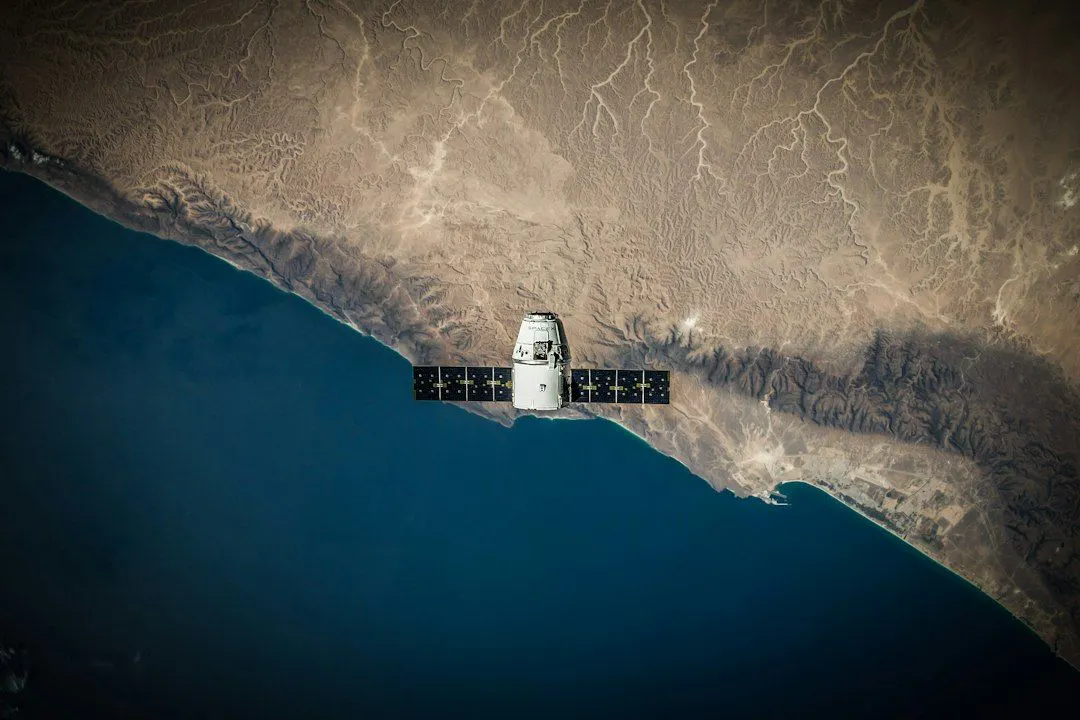
When people picture a satellite breach, the mental image often involves someone reaching into orbit. Yet the actual vulnerability is almost always grounded. A satellite's security depends on the network, personnel, and infrastructure that support it from the ground up.
What Happened
The US National Institute of Standards and Technology (NIST) has highlighted how deeply commercial satellite services are woven into critical infrastructure. From positioning and finance to weather and emergency response, the ripple effects extend far beyond the aerospace sector. NIST's framework applies cybersecurity principles directly to ground segments, treating command and control as a standard cyber risk.
Today's space systems are a web of commercial operators, cloud platforms, third‑party vendors, hosted payloads, ground station providers, and telecom carriers. This hybrid structure creates supply chain risk that often goes unnoticed until after an incident occurs.
Why This Matters
Standard IT security assumes patching, rebooting, and moving on—but spacecraft operate on constrained hardware, often unreachable for years, with software that's difficult to update and availability requirements that leave little room for downtime. Securing these systems isn't just about data privacy; it's about maintaining command authority and keeping missions operational.
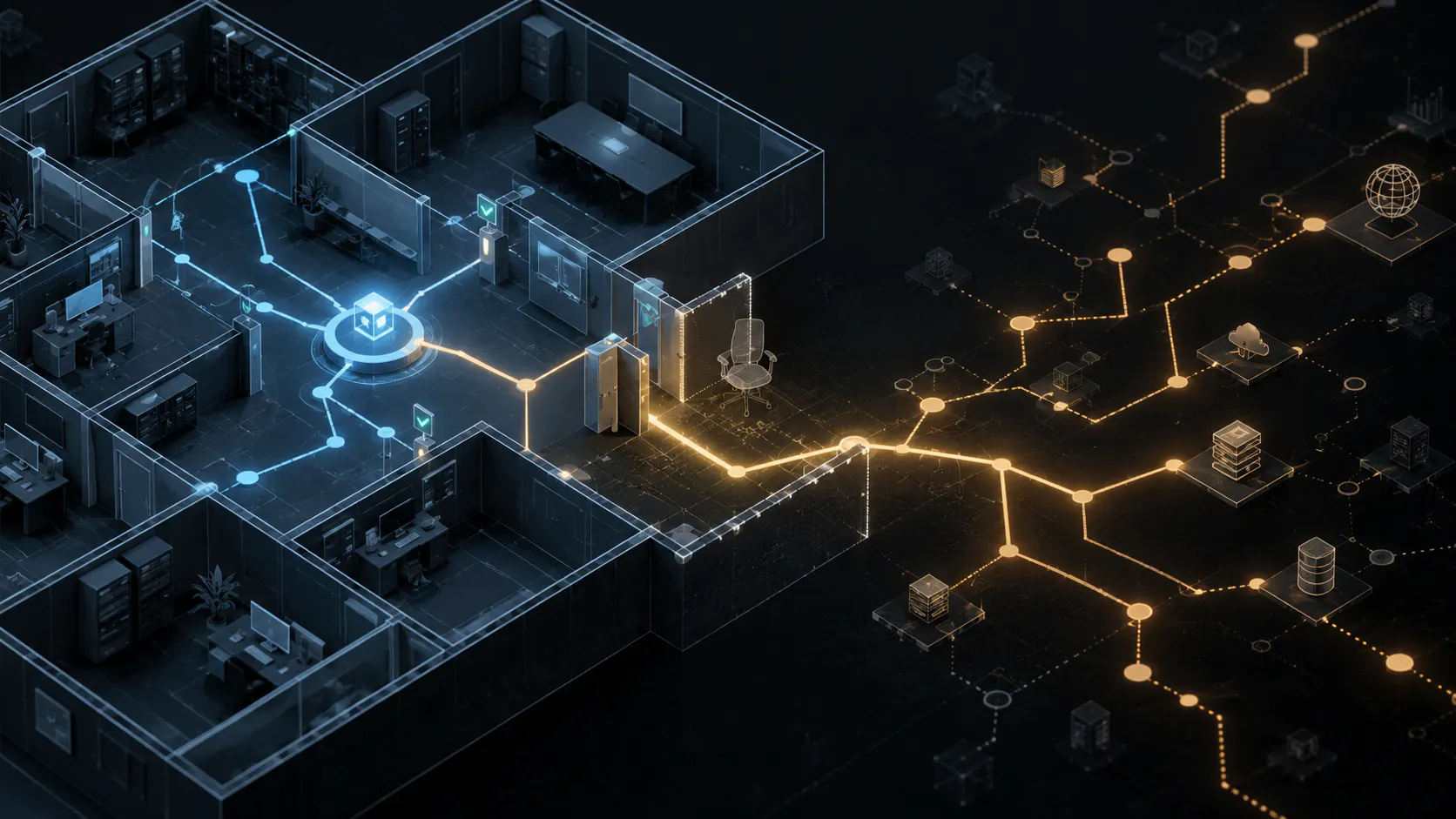
The European Space Agency's SPACE-SHIELD framework documents how a compromised ground segment can become a stepping stone into the space segment itself. When attackers target the systems that issue commands, they don't need to touch the spacecraft directly.
Key Takeaways
- Identity controls and authenticated command protocols prevent unauthorized instructions from reaching a satellite.
- Network segmentation limits how far an intrusion can spread across ground and space infrastructure.
- Supply chain vetting of third‑party vendors, cloud platforms, and ground station operators reduces hidden entry points.
- Continuous monitoring and a tested recovery plan ensure that when something breaks, the response is fast and effective.
Conclusion
The next major failure in this industry is unlikely to start with a signal beamed down from space. It will begin the same way most breaches do: with something ordinary on the ground, overlooked until it's too late. Building resilience through identity management, segmentation, and verified supply chains is the only realistic path forward.






Discussion
Join the conversation
Thoughtful reactions, questions, and follow-up ideas help shape the next story.