
Introduction
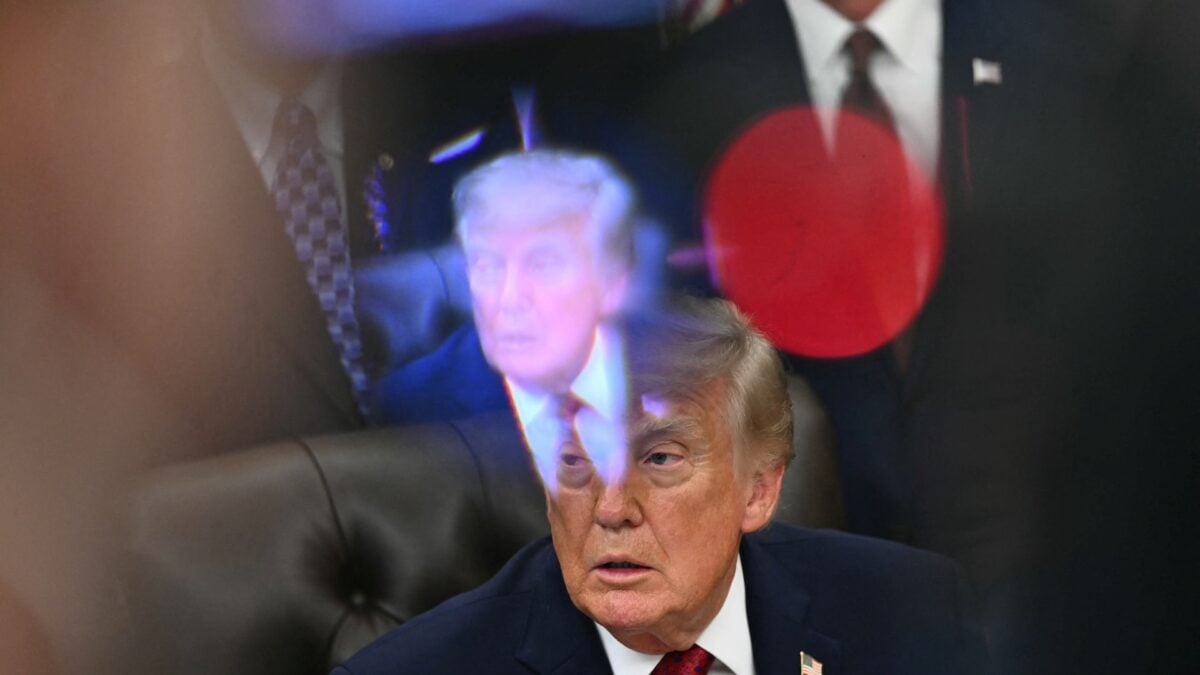
President Donald Trump arrives at the United Nations General Assembly seeking diplomatic victories after a series of legal and political headwinds at home. His visit comes amid shifting global dynamics and intense scrutiny both abroad and across the US political landscape.
What Happened
In his address to world leaders, Trump framed his administration’s actions as decisive peacemaking, highlighting new agreements on Iran, Venezuela’s oil sector, and a formalized US-Denmark deal regarding Greenland. He used the platform to defend his immigration crackdown, tout economic strength, and contrast US resolve with what he called hesitation from other nations.
The speech touched on several flashpoints: Trump reiterated his stance on Iran’s nuclear ambitions, called the International Criminal Court a rogue institution, and framed the Venezuelan oil deal as a strategic win for Western Hemisphere energy security. He also referenced his administration’s immigration enforcement and a reported drop in violent crime as evidence of domestic strength.
Diplomatic meetings on the sidelines included sessions with Ukrainian President Volodymyr Zelenskyy, British Prime Minister Andy Burnham, Gulf Cooperation Council leaders, and Venezuela’s interim President Delcy Rodriguez. These one-on-one talks are where much of the real negotiation is expected to happen, away from the General Assembly floor.
Why This Matters
The stakes extend beyond rhetoric. With China’s President Xi Jinping skipping New York for a state dinner in Washington, the geopolitical spotlight shifts to US-China dynamics and what Trump can achieve without direct Chinese participation. The UN’s role as a forum for global coordination is being tested, especially as key players bypass traditional multilateral settings.
Artificial intelligence governance was also on the agenda, with a UN panel urging stronger safeguards. Trump’s dismissal of those concerns linking them to past political controversies highlights the deepening divide between his administration and multilateral norms.
For domestic audiences, the trip is a calculated political maneuver. Low approval numbers, ongoing legal battles, and a crowded election calendar make this UN appearance a test of whether foreign-stage success can translate into sustained political capital.
Key Takeaways
- Trump used the UN podium to amplify his foreign policy agenda despite a turbulent domestic week.
- Key announcements included Iran nuclear posturing, Venezuela oil control, and a formal US-Greenland agreement.
- Diplomatic engagement will likely focus on bilateral sideline meetings rather than plenary sessions.
- Xi Jinping’s absence from New York and his upcoming visit to Washington redefines the US-China power dynamic.
- Low domestic approval and media access battles frame the trip as much as the speeches themselves.
Conclusion
Trump’s UN visit is less about multilateral consensus and more about leveraging global stage moments to reinforce his America-first narrative at home. Whether the diplomatic gestures translate into lasting political benefit remains to be seen, but the trip underscores how foreign policy is increasingly intertwined with domestic political strategy.
Discussion
Join the conversation
Thoughtful reactions, questions, and follow-up ideas help shape the next story.