Introduction
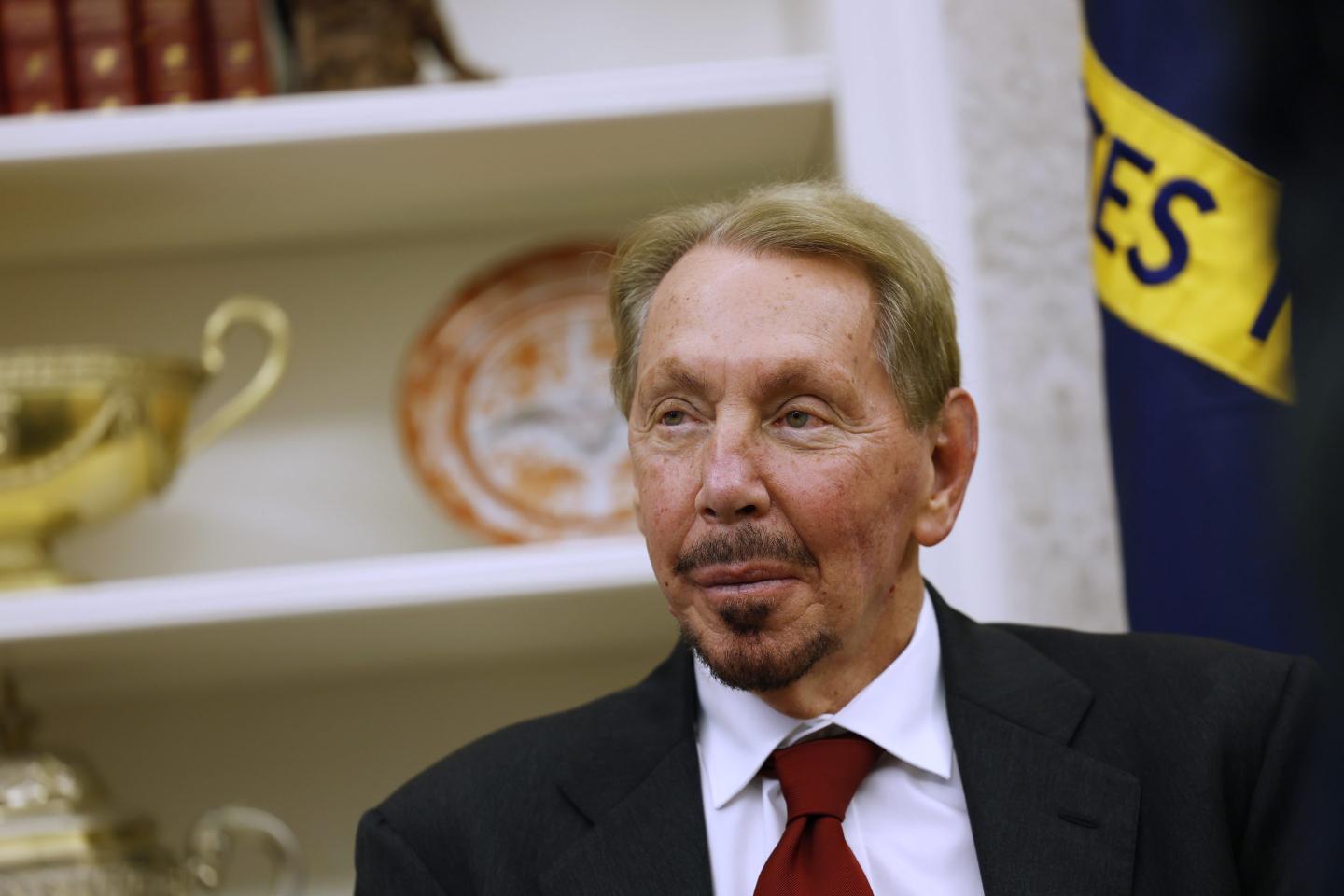
Billionaires are increasingly purchasing homes near their own estates not to live in but to house the staff who manage their sprawling households. Larry Ellison and Mark Zuckerberg are among the most prominent examples each building clusters of neighboring properties to keep tutors assistants and support teams within easy reach while maintaining privacy for their primary residences.
What Happened
Oracle cofounder Larry Ellison has invested heavily in staff housing spending nearly $10 million on homes in a gated community in Boynton Beach Florida for tutors and family staff. His holdings now total at least $450 million in Manalapan a 400 resident island town roughly 20 minutes from Mar-a-Lago making him one of the areas largest property owners. Meanwhile Meta CEO Mark Zuckerberg has assembled a Palo Alto compound by acquiring at least 11 homes on Crescent Park spending over $110 million since purchasing his first Edgewood Drive home in 2011. Zuckerbergs purchases have sometimes offered owners double or triple asking price and some properties sit empty house guests or were even used as private schools in violation of local code. Both men have used LLC structures to shield ownership details reflecting a broader stealth wealth approach among ultrahigh net worth buyers.
Why This Matters
The strategy keeps staff close enough to be helpful while preserving the families privacy according to industry reporting. However the concentration of billionaire owned properties can reshape neighborhood dynamics drive up local real estate values and provoke resident pushback. Experts note that ultrawealthy buyers prioritize keeping capital invested rather than tying it up in a single home favoring liquidity and leverage through LLCs and trusts. The trend also raises questions about community impact as seen in Palo Alto where neighbors expressed concerns over construction staff traffic and city council attempts to impose new regulations.
Key Takeaways
- Ultrawealthy buyers like Ellison and Zuckerberg are purchasing adjacent homes primarily for staff housing not personal residence.
- LLC structures and privacy trusts are commonly used to obscure ownership and maintain anonymity.
- The trend spans Florida and California with billions invested in compact high profile communities.
- Neighborhoods are experiencing ripple effects including value shifts resident concerns and local policy debates.
- Prioritizing liquidity over property ownership allows the ultra rich to keep capital working across diverse assets.
Conclusion
As billionaire real estate acquisitions become more sophisticated the practice of buying neighboring homes for staff is likely to expand beyond a few high profile names. The balance between privacy staff accessibility and community impact will continue to influence how the ultrawealthy approach property investment and local governments are increasingly forced to confront the limits of existing zoning and neighbor protection laws.


Discussion
Join the conversation
Thoughtful reactions, questions, and follow-up ideas help shape the next story.