
Introduction
The 1992 Freedom Support Act, originally designed to aid former Soviet states transitioning to democracy, now stands as an anachronism that singles out Azerbaijan with a permanent ban on direct U.S. government assistance. As the South Caucasus emerges as a critical energy and geopolitical corridor, lawmakers have a chance to align policy with current realities.
What Happened
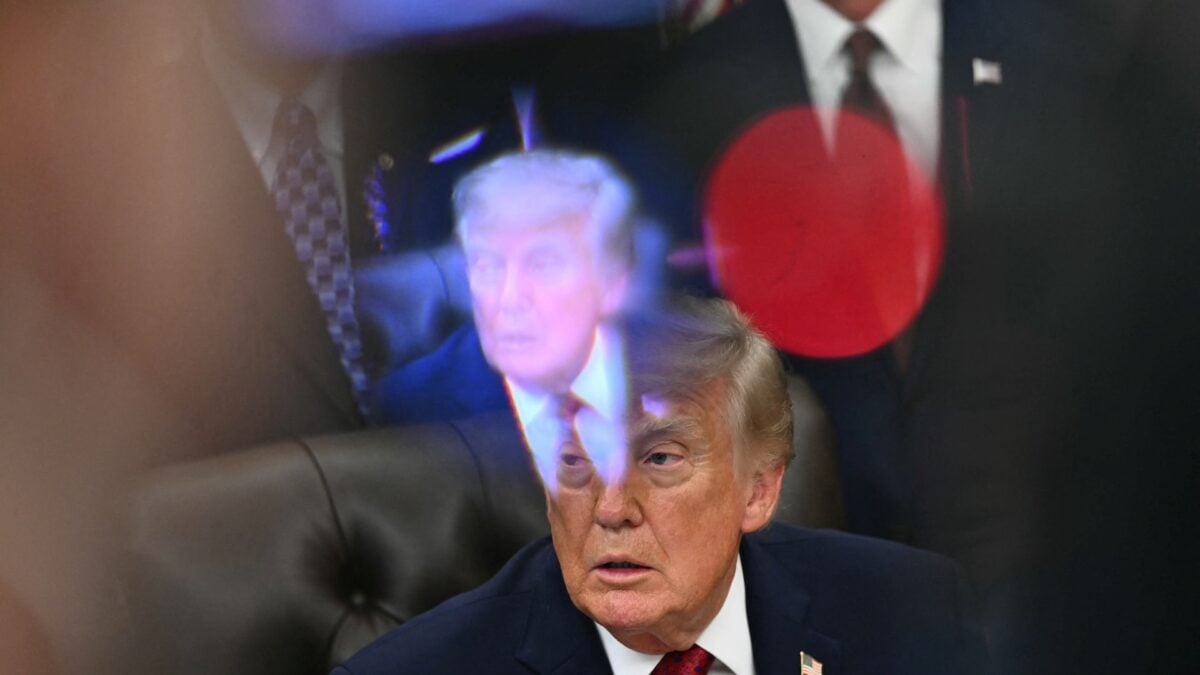
In August 2025, President Donald Trump hosted Azerbaijani President Ilham Aliyev and Armenian Prime Minister Nikol Pashinyan at the White House, where the two leaders initialed a peace framework and signed the Trump Route for International Peace and Prosperity (TRIPP), a 27-mile corridor through Armenia's Syunik province linking Azerbaijan to its Nakhichevan exclave. The gesture marked a genuine diplomatic breakthrough after 37 years of hostility. Since then, Prime Minister Pashinyan's Civil Contract party secured a decisive parliamentary victory in June 2026, further shifting the regional dynamics. The U.S. has long waived the sanctions annually, yet the statute remains on the books, creating unnecessary friction for a partner central to energy security and regional stability.
Why This Matters
The 1992 law bars direct U.S. government aid to Baku, a distinction no other former Soviet state carries. With Iran-U.S. tensions spiking and the Strait of Hormuz's oil shipments disrupted, Azerbaijan's Iran-bypassing Middle Corridor has become essential, moving 17 million tons of freight in 2025 and expanding toward 25 million tons at Baku port. The Baku-Tbilisi-Kars railway now handles 5 million tons, and China has invested in the same infrastructure. Repealing the obsolete provision would remove a diplomatic hurdle, reinforce U.S. partnerships, and ensure America retains influence in a region where neither Moscow nor Beijing holds unilateral sway.
Key Takeaways
- The 1992 Freedom Support Act is an outdated restriction that no longer serves U.S. interests.
- Azerbaijan has become a key partner for energy diversification and regional stability.
- The TRIPP corridor and expanding Middle Corridor offer alternative trade routes bypassing Iran and Russia.
- Congressional repeal enjoys bipartisan support and executive branch alignment.
- Action would strengthen U.S. leverage countering Iran and Russia in the South Caucasus.
Conclusion
Congress has the opportunity and the responsibility to repeal a 34-year-old law that no longer reflects today's geopolitical reality. Doing so would unlock deeper cooperation, reinforce energy security, and signal that the United States stands with its partners in the South Caucasus. A single vote could transform a symbolic gesture into a lasting pillar of American foreign policy.

Discussion
Join the conversation
Thoughtful reactions, questions, and follow-up ideas help shape the next story.